


 English

A braided nylon hose is a flexible hose designed with a nylon braided reinforcement layer to improve pressure resistance, flexibility, and mechanical strength. Compared with conventional unreinforced hoses, Nylon Braided Hoses offer better resistance to expansion, abrasion, and external mechanical stress, making them suitable for various fluid transfer and plumbing applications.
Nylon synthetic braided hose products are widely used in automotive systems, industrial equipment, plumbing installations, water supply systems, and pneumatic applications. Depending on the hose construction and materials, they can be designed to transport water, air, oil, and other compatible fluids.
Whether you are looking for braided nylon tubing for industrial equipment or a nylon braided water hose for plumbing applications, understanding the hose structure, material properties, and operating requirements is essential for choosing the right product.
What Is a Braided Nylon Hose?
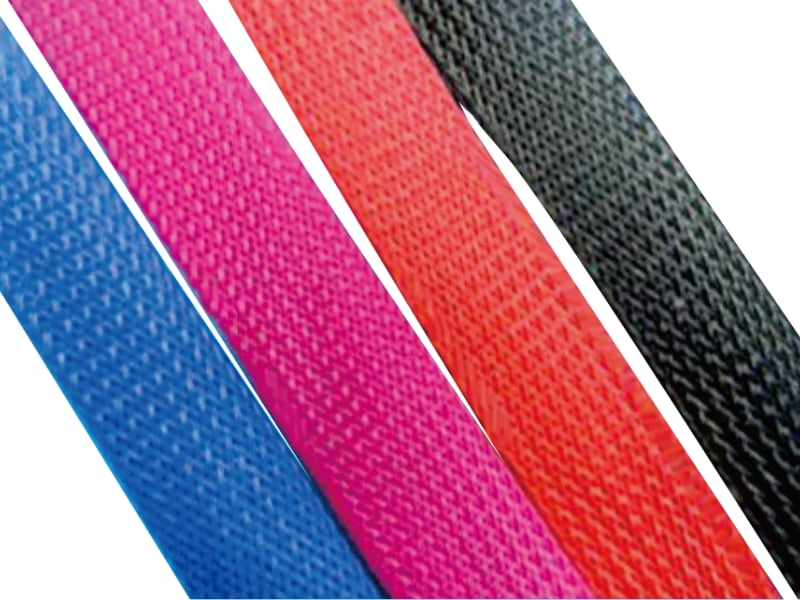
A braided nylon hose is a type of reinforced flexible hose that uses nylon fibers woven or braided around an inner hose tube. The nylon reinforcement provides additional mechanical strength and helps the hose maintain its shape under pressure.
A typical Nylon Braided Hose consists of three main layers:
1. Inner Tube
The inner tube is the fluid-contacting layer. Depending on the application, it can be manufactured from rubber, PVC, polyurethane, or other compatible polymer materials.
2. Nylon Braided Reinforcement
The middle layer consists of nylon fibers woven or braided around the inner tube. This reinforcement helps improve tensile strength, pressure resistance, and dimensional stability.
3. Outer Protective Layer
Some nylon hoses feature an additional outer covering to protect against abrasion, environmental exposure, and mechanical damage.
This multi-layer construction makes braided nylon hose pipe products suitable for applications requiring flexibility and reliable fluid transportation.
Key Features and Advantages of Nylon Braided Hose
Nylon braided hoses offer several advantages over conventional non-reinforced hoses.
1. High Mechanical Strength
The nylon braided reinforcement improves the hose's tensile strength and structural stability. It helps reduce excessive expansion when the hose is exposed to internal pressure.
This makes nylon synthetic braided hose products suitable for applications where consistent hose performance is important.
2. Excellent Flexibility
Despite the added reinforcement, braided nylon tubing maintains good flexibility.
It can be routed through relatively compact spaces and around equipment components, making installation easier in automotive systems, industrial machinery, and plumbing applications.
3. Good Abrasion Resistance
The nylon braided layer provides additional protection against external friction and mechanical wear.
This helps improve hose durability in environments where hoses may come into contact with surrounding equipment or surfaces.
4. Pressure Resistance
The braided reinforcement helps control hose expansion and improves its ability to withstand internal pressure.
However, the actual working pressure depends on the inner tube material, reinforcement structure, hose diameter, temperature, and manufacturing quality.
Always check the manufacturer's pressure ratings before selecting a hose.
5. Lightweight Construction
Nylon is a relatively lightweight synthetic material. Using nylon fiber reinforcement can provide mechanical strength without adding excessive weight.
This is particularly beneficial in automotive applications and equipment where weight reduction is important.
6. Chemical and Environmental Resistance
Nylon offers resistance to many oils, fuels, and industrial substances, depending on the specific material grade and operating conditions.
The overall chemical compatibility of a braided hose also depends on its inner tube and outer covering. Therefore, the complete hose construction should be evaluated before use.
Common Types of Braided Nylon Hoses
Different hose constructions are designed for specific applications and operating conditions.
1. Nylon Braided Hose
A standard nylon braided hose features a flexible inner tube reinforced with woven nylon fibers.
It is commonly used in automotive systems, industrial machinery, fluid transfer equipment, and general-purpose applications.
Key characteristics include:
Flexible hose construction
Nylon fiber reinforcement
Improved mechanical strength
Resistance to external abrasion
Multiple diameter and length options
2. Nylon Braided Water Hose
A nylon braided water hose is designed for water transportation in plumbing and water supply systems.
Depending on the construction, the hose may feature a polymer inner tube combined with a nylon braided reinforcement layer.
Typical applications include:
Water supply connections
Plumbing installations
Household equipment
Water dispensing systems
Industrial water transfer
For drinking water applications, the complete hose assembly should comply with the relevant potable water safety requirements.
3. Rubber Hose with Nylon Braided Reinforcement
A rubber hose with nylon braided reinforcement combines the flexibility and sealing properties of rubber with the mechanical strength of nylon fibers.
The rubber inner tube can be selected according to the transported medium and operating environment.
Common rubber materials include EPDM, NBR, and other application-specific elastomers.
This hose construction is suitable for selected automotive, industrial, and fluid transfer applications.
4. Braided Nylon Tubing
Braided nylon tubing is a general term for flexible tubing reinforced with nylon fibers.
It is available in different sizes, wall thicknesses, and reinforcement patterns to meet specific pressure and flexibility requirements.
It can be used in industrial equipment, pneumatic systems, water transfer, and other applications where reinforced tubing is required.
Main Applications of Nylon Braided Hoses
Nylon braided hoses are used across different industries because of their flexibility, mechanical strength, and reinforced construction.
1. Plumbing and Water Supply Systems
Nylon braided water hoses are used in selected plumbing and water supply applications.
They provide flexible connections between water supply lines and equipment, helping simplify installation in confined spaces.
Depending on the product design, they can be used in household appliances, water systems, and industrial plumbing installations.
2. Automotive Industry
In automotive applications, nylon hoses are used in selected fluid transportation and connection systems.
Rubber hose with nylon braided reinforcement may be used where flexibility, mechanical protection, and pressure resistance are required.
Typical applications include fluid connections, specialized fuel system components, and auxiliary equipment. The hose must be specifically rated for the transported fluid and automotive operating conditions.
3. Industrial Machinery
Industrial equipment often requires flexible connections for transferring liquids, air, and other compatible media.
Braided nylon hose pipe products can be used in machinery, pneumatic equipment, and industrial fluid handling systems.
Their reinforced structure helps improve resistance to mechanical stress and hose expansion.
4. Agricultural Equipment
Agricultural machinery operates in environments where hoses may experience vibration, movement, dust, and external abrasion.
Nylon synthetic braided hose products can provide flexible connections for selected water and fluid transfer applications.
5. Household Appliances
Certain nylon hoses are used in household appliances and water-related equipment.
Their flexibility and reinforced construction make them suitable for applications where reliable connections and convenient installation are required.
How to Choose the Right Nylon Braided Hose?
Selecting the right nylon braided hose requires considering the transported medium, operating pressure, temperature, and installation environment.
1. Identify the Application
First, determine whether the hose will be used for water, air, oil, fuel, or another fluid.
Different applications require different inner tube materials and compatibility specifications.
2. Check the Working Pressure
Evaluate the system's normal operating pressure and maximum pressure fluctuations.
Select a hose with an appropriate working pressure rating and safety margin based on the manufacturer's recommendations.
Do not use burst pressure as the normal operating pressure.
3. Consider Temperature Resistance
The hose should be suitable for the minimum and maximum operating temperatures.
Temperature can affect the flexibility, pressure capacity, and service life of both the inner tube and nylon reinforcement.
4. Select the Correct Size
Important dimensional specifications include:
Inner diameter
Outer diameter
Wall thickness
Overall hose length
Connector dimensions
Correct sizing helps maintain flow performance and ensures compatibility with the connected equipment.
5. Evaluate the Reinforcement Structure
The density, material quality, and weaving pattern of the nylon braid can affect the hose's mechanical performance.
Choose a reinforcement structure according to the required pressure resistance, flexibility, and abrasion protection.
6. Check Fittings and Connections
Hose fittings must be compatible with the hose diameter, pressure rating, and application.
Common connection options include threaded fittings, quick connectors, and customized end fittings.
A complete hose assembly should be tested for leakage and pressure performance before use.
How to Find a Reliable Dalepu Nylon Braided Hose Manufacturer?
When sourcing nylon braided hoses for industrial or commercial applications, choosing an experienced manufacturer is important for ensuring consistent quality and reliable delivery.
If you are searching for a Dalepu nylon braided hose manufacturer or Dalepu Nylon Braided Hose Supplier, consider the following factors when evaluating the supplier.
1. Product Quality and Manufacturing Standards
A professional manufacturer should have consistent production processes and quality inspection procedures.
Important quality checks may include dimensional inspection, pressure testing, leakage testing, and reinforcement structure evaluation.
2. Complete Product Specifications
Reliable suppliers should provide detailed technical information, including:
Hose inner and outer diameters
Working and burst pressure
Operating temperature range
Inner tube and reinforcement materials
Minimum bending radius
Available lengths and colors
These specifications help buyers determine whether the hose is suitable for their intended applications.
3. Customization Capabilities
Different industries may require customized hose diameters, lengths, colors, reinforcement structures, and fittings.
Working with a manufacturer that offers customization can help meet specific equipment and installation requirements.
4. Stable Supply Capacity
For distributors, wholesalers, and equipment manufacturers, stable production capacity and delivery schedules are important factors.
Evaluate the supplier's manufacturing capabilities, quality management procedures, packaging, and export experience.
5. Technical Support
A reliable nylon braided hose supplier should be able to recommend suitable hose constructions based on the transported medium, operating pressure, temperature, and installation conditions.
Requesting product samples and technical data sheets before bulk purchasing is also recommended.
Frequently Asked Questions About Braided Nylon Hose
1. What Is a Braided Nylon Hose Used For?
A braided nylon hose is used for transferring water, air, oil, and other compatible fluids in plumbing systems, automotive equipment, industrial machinery, and agricultural applications.
2. What Is Nylon Braided Tubing?
Nylon braided tubing is flexible tubing reinforced with woven nylon fibers. The reinforcement helps improve mechanical strength, pressure resistance, and dimensional stability.
3. Is a Nylon Braided Hose Better Than a Standard Rubber Hose?
A nylon braided hose generally provides better reinforcement and resistance to expansion than an unreinforced rubber hose. However, the best option depends on the transported medium, operating pressure, temperature, and application requirements.
4. Can Nylon Braided Hoses Be Used for Water?
Yes. Certain nylon braided water hoses are designed for water transportation. For drinking water applications, buyers should verify that the complete hose assembly meets the relevant potable water standards.
5. What Is the Difference Between Nylon Braided Hose and Rubber Hose with Nylon Braided Reinforcement?
A nylon braided hose describes a hose with nylon fiber reinforcement, while rubber hose with nylon braided reinforcement specifically identifies rubber as the inner tube material and nylon as the reinforcement layer.
6. Are Nylon Braided Hoses Suitable for High-Pressure Applications?
Some nylon braided hoses are designed for relatively high-pressure applications. However, their pressure capacity depends on the hose construction, diameter, material, temperature, and manufacturing specifications.
Always confirm the rated working pressure before installation.
7. How Do I Maintain a Nylon Braided Hose?
Regularly inspect the hose for cracks, leaks, abrasion, deformation, and damaged fittings. Avoid exceeding the rated pressure and temperature, and replace hoses that show signs of deterioration.
8. Where Can I Find a Reliable Nylon Braided Hose Supplier?
Look for manufacturers and suppliers with consistent product quality, complete technical specifications, customization capabilities, and reliable delivery. Requesting samples and product testing documentation can help verify product suitability before purchasing.
Braided nylon hose products provide a practical solution for fluid transportation applications requiring flexibility, mechanical reinforcement, and reliable performance.
From nylon braided water hoses and braided nylon tubing to rubber hoses with nylon braided reinforcement, different constructions are available for plumbing, automotive, agricultural, and industrial applications.
When choosing a nylon braided hose, it is important to evaluate the inner tube material, nylon reinforcement structure, working pressure, temperature range, and fluid compatibility.
Working with an experienced manufacturer or supplier can help ensure that the selected hose meets the technical requirements of your application while supporting long-term performance and reliable operation.
