


 English

A busbar insulation sleeve is an essential electrical insulation component designed to protect conductive busbars from accidental contact, electrical short circuits, dust, moisture, and other environmental factors. Commonly used in power distribution systems, battery energy storage systems, electrical cabinets, and high-voltage equipment, Busbar Insulation Sleeves help improve electrical safety and system reliability.
As electrical systems become more compact and operate at increasingly demanding voltage levels, reliable busbar insulation is becoming more important. Busbar insulation tubing, heat Shrink Sleeves, and custom protective covers provide effective insulation solutions for copper and aluminum busbars.
Whether used for copper busbar protection, battery cell connections, or industrial power distribution, selecting the right busbar insulating sleeve requires careful consideration of insulation performance, operating temperature, material properties, and installation requirements.
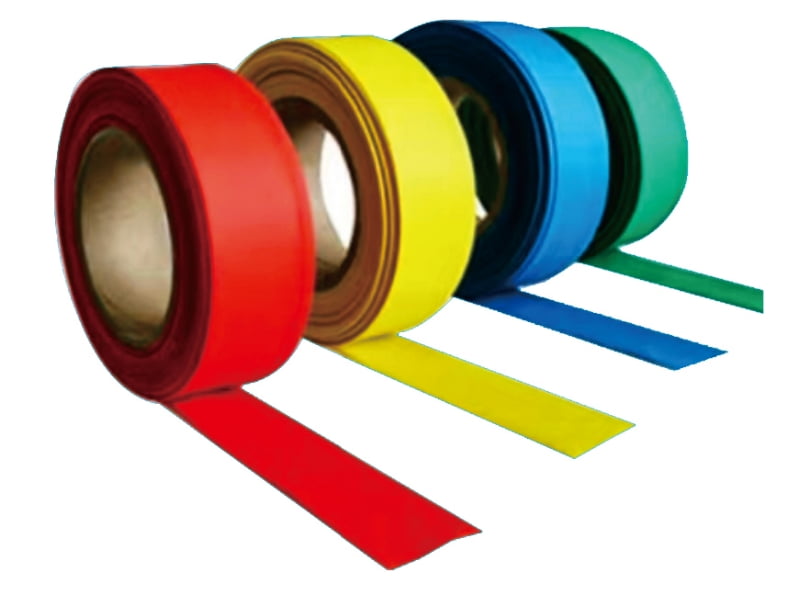
What Is a Busbar Insulation Sleeve?
A busbar insulation sleeve is a protective insulating covering installed over a conductive busbar to provide electrical isolation and physical protection.
Busbars are commonly manufactured from copper or aluminum and are used to distribute electrical power between different components. Because these conductors carry high electrical currents, exposed busbar surfaces can create risks of accidental contact, short circuits, and electrical faults.
Electrical busbar insulation helps reduce these risks by creating an insulating barrier around the conductive surface.
Depending on the application, busbar sleeves can be manufactured from different insulating materials, including:
Heat shrinkable polyolefin
Silicone rubber
PVC
PET and other insulating polymer materials
Specialized high-temperature insulating materials
A busbar insulation sleeve can be designed for straight busbars, bent busbars, irregular shapes, and customized electrical connections.
Main Functions of Busbar Insulation
Busbar insulation sleeves provide several important protection functions in electrical systems.
1. Electrical Insulation and Short-Circuit Prevention
The primary function of a busbar insulating sleeve is to provide electrical insulation between conductive components.
By covering exposed copper or aluminum surfaces, the sleeve helps reduce the possibility of accidental contact and phase-to-phase short circuits.
This is particularly important in high-voltage electrical cabinets, power distribution equipment, and battery energy storage systems.
2. Protection Against Environmental Factors
Busbar insulation tubing provides a protective barrier against dust, moisture, and certain environmental contaminants.
In industrial environments, these factors can affect electrical connections and contribute to insulation degradation. A suitable Protective Sleeve helps maintain more stable operating conditions.
3. Heat and Temperature Resistance
Busbars may experience temperature increases due to electrical current, ambient conditions, and surrounding equipment.
High-temperature busbar sleeves are designed to maintain their insulating properties within specified operating temperature ranges.
The appropriate material should be selected according to the actual operating temperature and electrical requirements.
4. Mechanical Protection
A busbar protection sleeve can help protect the conductive surface against scratches, abrasion, and minor mechanical damage during installation and operation.
It also provides an additional protective layer around exposed busbar edges and connection areas.
5. Improved Electrical System Safety
By covering exposed conductive surfaces, insulated busbar sleeves help improve electrical safety and reduce the risk of accidental contact during equipment operation and maintenance.
However, insulation sleeves should be used as part of a complete electrical safety design rather than as a replacement for proper electrical clearances, enclosures, and protection systems.
Types of Busbar Insulation Sleeves
Different electrical systems require different busbar insulation solutions. The main types are selected according to busbar dimensions, installation methods, operating temperatures, and insulation requirements.
1. Busbar Heat Shrink Sleeve
A busbar heat shrink sleeve is a widely used insulation solution for copper and aluminum busbars.
It is manufactured from heat-shrinkable insulating materials that contract when heated, creating a close-fitting protective layer around the busbar.
Key features:
Provides electrical insulation for conductive busbars
Conforms to different busbar shapes and dimensions
Helps protect against dust, moisture, and abrasion
Available in different colors for phase identification
Suitable for various electrical distribution applications
Busbar heat shrink sleeves are commonly used in switchgear, distribution cabinets, transformers, and industrial electrical equipment.
2. Busbar Insulation Tubing
<AsyncImage query="flexible electrical busbar insulation tubing protective sleeve industrial copper busbar" aspectRatio="16:9" width="100%"/>
Busbar insulation tubing provides continuous insulation coverage along the length of a conductive busbar.
Unlike some heat shrink products, certain insulation tubing products are designed for specific installation methods without requiring heat shrinking.
These products are suitable for applications where consistent insulation coverage, easy installation, and dimensional flexibility are important.
Busbar insulation tubing is widely used for copper busbar protection, electrical cabinets, and industrial power distribution systems.
3. Busbar Protective Sleeve
A busbar protective sleeve is designed to provide additional protection against mechanical damage, environmental exposure, and accidental contact.
Depending on the material and construction, it can offer different levels of flexibility, abrasion resistance, and temperature resistance.
Industrial busbar insulation sleeves are often customized to accommodate specific conductor dimensions, connection structures, and installation conditions.
4. Busbar Cap and Heat Barrier
A busbar cap heat barrier is a specialized protective component used to cover exposed busbar ends, connection points, or selected high-temperature areas.
It helps provide an additional insulating barrier and can reduce direct exposure of conductive surfaces.
Busbar caps and heat barriers are particularly useful in compact electrical assemblies where exposed edges and connection points require additional protection.
5. Die-Cut Busbar Insulation
Die-cut busbar insulation is manufactured into customized shapes according to specific busbar designs.
It can be used for irregular surfaces, connection areas, high-voltage assemblies, and specialized electrical equipment.
For demanding applications such as high-voltage satellite electrical systems, customized die-cut insulation components may be used to meet specific dimensional, dielectric, and environmental requirements.
Materials Used for Busbar Insulation Sleeves
The material of a busbar insulation sleeve directly affects its electrical performance, temperature resistance, flexibility, and service life.
Common materials include:
| Material | Main Characteristics | Typical Applications |
|---|---|---|
| Polyolefin | Good electrical insulation and heat shrink performance | General busbar insulation |
| Silicone Rubber | Excellent flexibility and high-temperature resistance | High-temperature electrical equipment |
| PVC | Good electrical insulation and cost efficiency | General electrical protection |
| PET | Good dielectric properties and dimensional stability | Electrical insulation components |
| Specialized High-Performance Polymers | Designed for demanding thermal and environmental conditions | Specialized industrial and high-voltage applications |
The right material depends on voltage level, operating temperature, mechanical requirements, environmental exposure, and applicable electrical standards.
Applications of Busbar Insulation Sleeves
Busbar insulation products are widely used in modern electrical systems, particularly where compact structures, high current capacity, and reliable electrical protection are required.
1. Energy Storage Systems
Busbar insulation tubing for energy storage systems plays an important role in protecting electrical connections within battery energy storage equipment.
Energy storage systems contain multiple battery modules, electrical connections, and power conversion components. Busbars are used to connect battery cells and distribute electrical current between different sections.
Insulated busbar sleeves help:
Reduce accidental contact with conductive surfaces
Improve electrical isolation between connections
Protect copper busbars from abrasion
Support compact battery system designs
Improve the reliability of electrical connections
Material selection should account for operating voltage, current-related temperature rise, available installation space, and fire-safety requirements.
2. Battery Cell Connections
Busbar insulation tubing for battery cell connections is commonly used in lithium-ion battery packs and energy storage modules.
Copper and aluminum busbars connect individual battery cells and modules to form electrical circuits.
A suitable busbar insulating sleeve provides an insulating barrier around these connections while accommodating the mechanical structure of the battery assembly.
For battery applications, important selection factors include dielectric strength, temperature resistance, dimensional compatibility, and resistance to vibration and mechanical wear.
3. High-Voltage Electrical Equipment
Busbar insulation tubing for high-voltage protection is used in electrical distribution systems, switchgear, and other high-voltage equipment.
High-voltage applications require carefully selected insulation materials with appropriate dielectric performance and environmental resistance.
The insulation system should be designed according to the operating voltage, electrical clearances, creepage distances, and applicable industry standards.
4. Industrial Power Distribution
Industrial busbar insulation sleeves are widely used in electrical control cabinets, distribution panels, transformers, and switchgear assemblies.
They help protect exposed busbars and improve insulation between conductive components.
Depending on the application, manufacturers can select heat shrink sleeves, flexible insulation tubing, or customized protective covers.
5. Copper Busbar Protection
Copper busbars are widely used because of their excellent electrical conductivity and mechanical properties.
However, exposed copper surfaces may be vulnerable to accidental contact, scratches, and environmental contamination.
Busbar insulation tubing for copper busbar protection provides an insulating covering that helps maintain electrical safety and protect the conductor surface.
It is commonly used in industrial electrical cabinets, power distribution equipment, and battery connection systems.
How to Choose the Right Busbar Insulation Sleeve?
Selecting the correct busbar sleeve is essential for ensuring reliable electrical protection and long-term performance.
Consider the following factors before purchasing:
1. Operating Voltage
Determine the rated voltage and insulation requirements of the electrical system.
The selected busbar insulation sleeve should have appropriate dielectric properties and comply with the relevant electrical standards.
2. Busbar Dimensions and Shape
Measure the width, thickness, length, and shape of the busbar before selecting an insulation product.
For irregular or customized busbars, flexible insulation tubing or custom-designed sleeves may provide better coverage.
3. Operating Temperature
Evaluate the maximum operating temperature of the busbar and surrounding environment.
The material should maintain its electrical and mechanical properties within the specified temperature range.
4. Installation Method
Different products require different installation methods.
Heat shrink sleeves require controlled heating equipment.
Flexible insulation tubing may allow direct installation.
Die-cut insulation components may require customized fitting or assembly.
Choose a solution that matches the production process and installation environment.
5. Environmental Conditions
Consider exposure to moisture, dust, chemicals, UV radiation, vibration, and mechanical abrasion.
These conditions influence material selection and the expected service life of the insulation system.
6. Industry Standards and Testing
For high-voltage and energy storage applications, verify the relevant dielectric strength, flame-retardant performance, thermal aging, and other required test results.
Do not rely on material descriptions alone. Request technical data sheets and test reports for the specific product.
Frequently Asked Questions About Busbar Insulation Sleeves
1. What Is a Busbar Insulation Sleeve Used For?
A busbar insulation sleeve is used to cover conductive copper or aluminum busbars, providing electrical insulation and protection against accidental contact, short circuits, dust, moisture, and mechanical damage.
2. What Is the Difference Between Busbar Insulation Tubing and Heat Shrink Sleeves?
Busbar insulation tubing is a general term for tubular insulating products used to cover busbars. Heat shrink sleeves are a specific type of tubing that contracts when heated to fit closely around the conductor.
Not all busbar insulation tubing is heat shrinkable.
3. What Materials Are Used for Busbar Insulation?
Common materials include polyolefin, silicone rubber, PVC, PET, and specialized high-performance insulating polymers. The selection depends on voltage, temperature, flexibility, and environmental requirements.
4. Can Busbar Heat Shrink Sleeves Be Used for High-Voltage Protection?
Yes, appropriately rated busbar heat shrink sleeves can be used in high-voltage electrical systems. However, the selected product must meet the required dielectric performance, voltage rating, and relevant application standards.
5. Why Is Busbar Insulation Important in Energy Storage Systems?
Busbar insulation helps reduce accidental contact and electrical fault risks in battery connections and energy storage equipment. It also provides protection against mechanical abrasion and environmental exposure.
6. How Do You Choose a Busbar Insulation Sleeve for Copper Busbars?
Consider the copper busbar dimensions, operating voltage, temperature, installation method, and environmental conditions. Select a sleeve with suitable dielectric properties and sufficient dimensional compatibility.
7. What Is an Industrial Busbar Insulation Sleeve?
An industrial busbar insulation sleeve is a protective insulating component designed for busbars used in industrial electrical systems, including switchgear, transformers, power distribution cabinets, and energy storage equipment.
8. Can Busbar Insulation Sleeves Be Customized?
Yes. Depending on the manufacturer, busbar insulation sleeves can be customized according to busbar dimensions, shape, material, wall thickness, color, shrink ratio, and application requirements.
Busbar insulation sleeves are essential components for improving electrical protection and reliability in modern power distribution systems. From busbar heat shrink sleeves and insulation tubing to customized die-cut insulation components, different solutions are available for copper busbars, battery cell connections, energy storage systems, and high-voltage electrical equipment.
Choosing the right busbar insulating sleeve requires evaluating electrical insulation performance, material properties, operating temperature, busbar dimensions, and environmental conditions.
For manufacturers of electrical equipment, battery systems, and industrial power distribution solutions, selecting suitable busbar insulation products helps improve electrical safety and support long-term system reliability.
