


 English

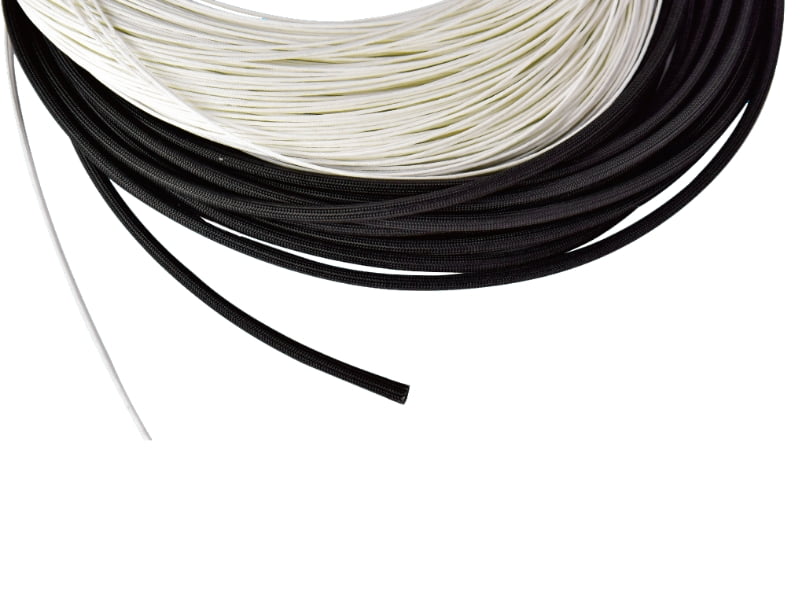
High Temperature Fiberglass Sleeving is a specialized insulation material designed to protect wires, cables, and electrical components operating in high-temperature environments. Manufactured from woven or braided fiberglass fibers, it offers excellent heat resistance, electrical insulation, and mechanical protection, making it suitable for demanding industrial and electrical applications.
Also known as heat resistant fiberglass sleeve, this type of sleeving provides a protective barrier against elevated temperatures, abrasion, and external damage. Depending on the application, it can be supplied with different wall thicknesses, inner diameters, and protective coatings to meet specific insulation requirements.
Silicone coated Fiberglass Sleeving is another popular option for applications requiring additional flexibility, moisture resistance, and thermal protection. From electric motors and transformers to automotive wiring and industrial heating equipment, high temp Fiberglass Sleeving helps improve cable safety and service life.
What Is High Temperature Fiberglass Sleeving?
High temperature fiberglass sleeving is a flexible tubular insulation product made from continuous fiberglass yarns. The yarns are braided or woven into a sleeve structure that can cover electrical wires, cable bundles, hoses, and other components.
Unlike ordinary plastic cable sleeves, fiberglass sleeving maintains better dimensional stability when exposed to elevated temperatures. Its performance depends on the fiberglass material, braiding structure, wall thickness, and whether additional coatings are applied.
For more demanding environments, silicone coated fiberglass sleeving combines a fiberglass braided base with a silicone rubber coating. This construction provides additional protection against moisture, abrasion, and environmental exposure while maintaining good thermal insulation properties.
Key Features of High Temperature Fiberglass Sleeving
Excellent Heat Resistance
One of the main advantages of high temperature fiberglass sleeving is its ability to withstand elevated temperatures. Fiberglass materials offer good thermal stability and help protect internal wires and cables from heat generated by electrical equipment, heating systems, and industrial machinery.
The actual temperature resistance depends on the fiberglass grade and coating material. Therefore, selecting the correct product according to the operating temperature is essential.
Reliable Electrical Insulation
Electrical fiberglass sleeving provides an insulating protective layer around conductors and electrical connections. It helps reduce the risk of accidental electrical contact and supports safe operation in motors, transformers, generators, and other electrical equipment.
Flexible and Durable Construction
The braided fiberglass structure allows the sleeve to bend around corners and fit different cable diameters. Its flexibility makes installation easier in equipment with limited space or complex wiring arrangements.
Excellent Abrasion Resistance
The reinforced fiberglass construction helps protect cables against friction, scratching, and mechanical wear. This is particularly useful in industrial environments where cables may come into contact with metal edges, moving components, or other surfaces.
Silicone Coating for Additional Protection
Silicone coated fiberglass sleeving offers additional environmental protection compared with uncoated fiberglass sleeves. The silicone layer can improve resistance to moisture, oil splashes, and certain chemicals while maintaining flexibility under temperature changes.
Types of High Temperature Fiberglass Sleeving
Different fiberglass sleeving constructions are available to meet various thermal and electrical insulation requirements.
Silicone Coated Fiberglass Sleeving
Silicone coated fiberglass sleeving consists of a braided fiberglass inner structure covered with a silicone rubber coating. It combines the heat resistance of fiberglass with the flexibility and protective properties of silicone.
This type of silicone fiberglass sleeve is commonly used in electric motors, automotive wiring, household appliances, generators, and industrial electrical systems.
Uncoated Fiberglass Sleeving
Uncoated fiberglass sleeving is manufactured from braided or woven fiberglass yarns without an additional outer coating. It provides basic thermal insulation and mechanical protection for wires and cables.
It is suitable for applications where flexibility, heat resistance, and electrical insulation are required without additional coating protection.
Fireproof Fiberglass Sleeving
Fireproof fiberglass sleeving is designed for applications requiring enhanced resistance to flame exposure and high temperatures. Its fiberglass construction provides non-combustible reinforcement, while specialized coatings may improve flame resistance.
It is commonly used in industrial equipment, electrical systems, automotive components, and high-temperature wiring protection.
Note: Fire resistance and flame-retardant performance depend on the specific product construction and testing standards. Not all fiberglass sleeves are automatically certified as fireproof.
Fiberglass Sleeve Temperature: How Much Heat Can It Withstand?
The fiberglass sleeve temperature rating is one of the most important factors when selecting a suitable insulation product.
Different fiberglass sleeving products have different temperature limits depending on their materials and coatings. For example, silicone-coated fiberglass sleeves may have different continuous operating temperature ratings from uncoated fiberglass sleeves.
Sleeving Type | Temperature Performance | Main Characteristics |
|---|---|---|
Uncoated Fiberglass Sleeving | Depends on fiberglass grade | Basic thermal and electrical insulation |
Silicone Coated Fiberglass Sleeving | Depends on silicone formulation | Heat resistance, flexibility, and moisture protection |
Acrylic Coated Fiberglass Sleeving | Depends on coating formulation | Electrical insulation and surface protection |
Specialized Fire-Resistant Fiberglass Sleeving | Depends on product construction | Designed for demanding thermal and flame-exposure conditions |
When evaluating high temperature fiberglass sleeving, consider both continuous operating temperature and short-term temperature exposure.
The coating's temperature rating may be lower than that of the fiberglass base material. Always check the manufacturer's technical specifications before using a fiberglass sleeve in high-temperature environments.
Applications of Heat Resistant Fiberglass Sleeve
Heat resistant fiberglass sleeve products are widely used in industries where wires and cables need protection from high temperatures and mechanical damage.
Electrical Motors and Generators
Fiberglass sleeving protects winding leads, connecting wires, and electrical connections exposed to heat during motor and generator operation.
Automotive Industry
High temp fiberglass sleeving is used to protect wiring harnesses, sensor cables, and electrical connections located near engines, exhaust systems, and other heat-generating components.
Industrial Heating Equipment
Heating systems, furnaces, ovens, and industrial processing equipment require reliable insulation materials to protect electrical wiring from elevated temperatures.
Transformers and Power Equipment
Electrical fiberglass sleeving provides insulation and mechanical protection for internal wiring and connections in transformers, power supplies, and distribution equipment.
Household Appliances
Ovens, electric heaters, cooking equipment, and other appliances use heat resistant fiberglass sleeves to protect wires operating near heating elements.
High Temperature Fiberglass Sleeving vs. Ordinary Fiberglass Sleeving
Although both products use fiberglass yarns as their primary material, high temperature fiberglass sleeving is selected and designed specifically for demanding thermal environments.
Comparison | High Temperature Fiberglass Sleeving | Ordinary Fiberglass Sleeving |
|---|---|---|
Main Purpose | High-temperature wire protection | General thermal and electrical insulation |
Temperature Requirements | Designed for specified elevated temperatures | Depends on product grade |
Material | High-temperature fiberglass yarns | Fiberglass yarns |
Coating Options | Silicone, specialized coatings, etc. | Coated or uncoated |
Applications | Motors, heaters, industrial machinery | Electrical wiring and general insulation |
The appropriate choice depends on the actual operating temperature, electrical requirements, and environmental conditions.
How to Choose the Right High Temp Fiberglass Sleeving?
Selecting the right fiberglass sleeving requires more than simply checking its maximum temperature rating. The following factors can help you identify a suitable product.
1. Check the Operating Temperature
Determine the normal working temperature and maximum temperature exposure of the protected wire or cable. Choose a fiberglass sleeve with a continuous temperature rating that meets your application requirements.
2. Select the Correct Inner Diameter
Measure the outside diameter of the cable or wire bundle. The fiberglass tube should provide sufficient clearance for installation without being excessively loose.
3. Consider the Coating Material
Uncoated fiberglass sleeving is suitable for basic insulation applications. Silicone coated fiberglass sleeving is a better option when additional flexibility, moisture resistance, or surface protection is required.
4. Evaluate Electrical Insulation Requirements
For electrical fiberglass sleeving, consider dielectric strength, breakdown voltage, wall thickness, and applicable insulation standards. These specifications are particularly important for motors, transformers, and high-voltage equipment.
5. Consider Mechanical and Environmental Conditions
If the sleeve will be exposed to vibration, friction, oil, moisture, or chemicals, choose a suitable fiberglass sleeving construction and coating to ensure long-term performance.
Frequently Asked Questions About High Temperature Fiberglass Sleeving
1. What Is High Temperature Fiberglass Sleeving Used For?
High temperature fiberglass sleeving is used to protect wires, cables, and electrical components from elevated temperatures, abrasion, and mechanical damage. Common applications include electric motors, automotive wiring, transformers, heating equipment, and industrial machinery.
2. How Hot Can Fiberglass Sleeving Get?
The maximum temperature depends on the fiberglass material, coating, and product construction. Some fiberglass sleeving products are designed for continuous high-temperature operation, while silicone coatings may have different temperature limitations. Always refer to the manufacturer's rated operating temperature.
3. Is Silicone Coated Fiberglass Sleeving Better Than Uncoated Fiberglass Sleeving?
Neither is universally better. Uncoated fiberglass sleeving is suitable for basic thermal insulation, while silicone coated fiberglass sleeving offers additional flexibility and environmental protection. The best choice depends on the working conditions.
4. Is Fiberglass Sleeving Fireproof?
Fiberglass itself is non-combustible under normal conditions, but the coating and complete product construction can affect flame performance. If fire resistance is essential, select a product with verified flame-retardant or fire-resistance test results.
5. Can High Temperature Fiberglass Sleeving Be Used for Electrical Insulation?
Yes. Electrical fiberglass sleeving is widely used to insulate wires, motor windings, and electrical connections. However, the product must meet the required dielectric strength, temperature rating, and applicable electrical safety standards.
6. What Is the Difference Between Fiberglass Sleeving and Fiberglass Tube?
Fiberglass sleeving usually refers to a flexible braided or woven tubular material used to protect wires and cables. A fiberglass tube may refer to either flexible sleeving or a rigid fiberglass tubular product, depending on its manufacturing process and application.
Choose a Reliable High Temperature Fiberglass Sleeving Manufacturer
Finding a reliable high temperature fiberglass sleeving supplier is essential for maintaining insulation performance and protecting electrical components in demanding environments.
A professional fiberglass sleeving manufacturer should provide consistent product quality, suitable temperature ratings, different inner diameters, and coating options to meet various industrial requirements.
Whether you need silicone coated fiberglass sleeving for electrical equipment, fireproof fiberglass sleeving for specialized industrial applications, or a heat resistant fiberglass sleeve for automotive wiring, selecting the right product is important for long-term reliability.
Contact us today to learn more about our fiberglass sleeving products, request technical specifications, and find a suitable insulation solution for your application.
