


 English

Fiberglass Sleeving is a flexible protective insulation material made from high-quality fiberglass fibers. Designed to provide excellent heat resistance, electrical insulation, and mechanical protection, it is widely used for covering wires, cables, hoses, and electrical components in industrial applications.
Also known as Glass Fiber Braided Sleeve or Fiberglass Tube, Fiberglass Sleeving is manufactured by braiding or weaving fiberglass yarns into a flexible tubular structure. Depending on the coating and construction, it can offer different levels of thermal protection, abrasion resistance, and electrical insulation.
As an important insulation solution for electrical equipment, automotive wiring, motors, transformers, and industrial machinery, fiberglass sleeves help protect sensitive components from high temperatures, mechanical wear, and external environmental influences.
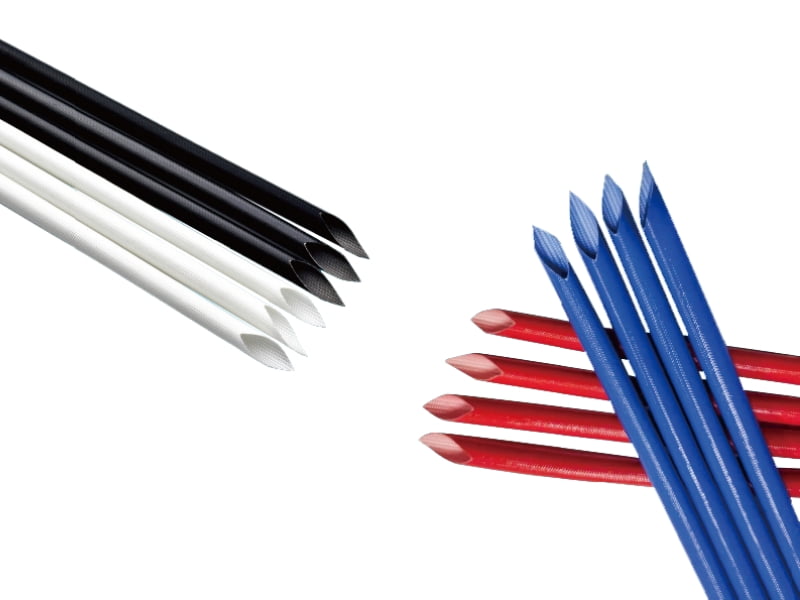
What Is Fiberglass Sleeving?
Fiberglass sleeving is a tubular insulation material produced using continuous fiberglass yarns. The braided or woven construction allows the sleeve to expand, bend, and fit around different wire and cable diameters while maintaining its protective properties.
Unlike ordinary plastic cable sleeves, fiberglass sleeving offers better heat resistance and dimensional stability in high-temperature environments. Some products are also coated with silicone resin, acrylic, or other insulating materials to improve flexibility, moisture resistance, and electrical performance.
Depending on the application, fiberglass sleeving is available in different inner diameters, wall thicknesses, braiding structures, and temperature resistance grades.
Key Features of Fiberglass Sleeving
Excellent Heat Resistance
Fiberglass fibers can withstand high-temperature environments and provide reliable thermal protection for wires, cables, and electrical components. Different coatings and constructions are available for specific operating temperature requirements.
Electrical Insulation Performance
Fiberglass sleeving provides an insulating barrier around electrical conductors and components, helping reduce the risk of electrical contact and improving operational safety in electrical systems.
Flexible and Expandable Structure
The braided fiberglass construction offers good flexibility, allowing the sleeve to bend around corners and fit over cables, wire bundles, and irregularly shaped components.
Abrasion and Mechanical Protection
The woven or braided structure helps protect cables from friction, scratching, and mechanical wear, extending the service life of electrical wiring and connected components.
Chemical and Environmental Resistance
Depending on the coating material, fiberglass sleeves can provide resistance to moisture, oils, and certain chemicals, making them suitable for demanding industrial environments.
Types of Fiberglass Sleeving
Different fiberglass sleeving structures are designed to meet specific insulation and protection requirements.
Glass Fiber Braided Sleeve
Glass Fiber Braided Sleeve is manufactured by interweaving fiberglass yarns into a tubular structure. Its flexible construction provides excellent coverage for wires, cables, and electrical connections.
It is commonly used in electrical appliances, automotive wiring harnesses, industrial machinery, and high-temperature cable protection applications.
Fiberglass Tube
Fiberglass Tube refers to tubular products made from fiberglass materials. Depending on the manufacturing process, fiberglass tubes can be flexible or rigid.
Flexible fiberglass tubes are suitable for cable insulation and wire protection, while rigid fiberglass tubes are commonly used in applications requiring structural strength, dimensional stability, and electrical insulation.
Silicone Coated Fiberglass Sleeving
Silicone coated fiberglass sleeving combines a braided fiberglass base with a silicone rubber coating. This structure provides enhanced flexibility, electrical insulation, and resistance to heat, moisture, and certain industrial chemicals.
It is widely used for protecting cables and electrical components in motors, generators, transformers, and industrial equipment.
Applications of Fiberglass Sleeves
Fiberglass sleeves are widely used in industries where reliable thermal insulation and mechanical protection are essential.
Electrical Equipment: Protects wires, cables, and electrical connections in motors, transformers, generators, and control systems.
Automotive Industry: Provides thermal and mechanical protection for wiring harnesses, sensor cables, and electrical components.
Industrial Machinery: Protects cables and hoses exposed to friction, vibration, and elevated temperatures.
Home Appliances: Used in ovens, heating equipment, electric appliances, and other products requiring heat-resistant wire insulation.
Power Generation: Helps insulate and protect electrical conductors in power generation and distribution equipment.
Manufacturing Industry: Provides protective insulation for cables and components operating in demanding production environments.
Fiberglass Sleeving vs. Ordinary Cable Sleeving
Fiberglass sleeving and conventional plastic cable sleeves serve similar protective purposes, but their material properties and applications differ.
Comparison | Fiberglass Sleeving | Ordinary Plastic Sleeving |
|---|---|---|
Material | Fiberglass fibers | PVC, PE, PET, and others |
Heat Resistance | Generally higher | Depends on plastic material |
Electrical Insulation | Excellent | Depends on material |
Flexibility | Flexible braided structure | Varies by construction |
Abrasion Protection | Good | Depends on design |
Main Applications | High-temperature and industrial insulation | General cable organization and protection |
For applications involving elevated temperatures, electrical insulation, or demanding industrial conditions, fiberglass sleeving is often a suitable choice.
How to Choose the Right Fiberglass Sleeving?
Selecting the appropriate fiberglass sleeve requires consideration of the working environment and insulation requirements.
1. Operating Temperature
Determine the maximum continuous operating temperature and short-term temperature exposure. Select a fiberglass sleeving product with a suitable temperature rating.
2. Inner Diameter
Choose the correct inner diameter according to the cable, wire bundle, or component being protected. The sleeve should fit properly without excessive stretching or looseness.
3. Braiding Structure
Different braiding densities and constructions provide different levels of flexibility, coverage, and mechanical protection. Select a suitable structure based on installation conditions.
4. Coating Material
Uncoated fiberglass sleeving is suitable for certain basic thermal insulation applications, while silicone-coated or resin-coated versions may offer additional protection against moisture, chemicals, and mechanical damage.
5. Electrical Insulation Requirements
For electrical applications, consider dielectric strength, insulation class, wall thickness, and applicable industry standards to ensure the product meets system requirements.
Frequently Asked Questions About Fiberglass Sleeving
1. What Is Fiberglass Sleeving Used For?
Fiberglass sleeving is mainly used for thermal insulation, electrical insulation, and mechanical protection of wires, cables, hoses, and electrical components. It is widely used in automotive, electrical, manufacturing, and industrial applications.
2. What Are Fiberglass Sleeves Made Of?
Fiberglass sleeves are primarily made from fiberglass yarns produced from fine glass fibers. Depending on the product type, they may also feature silicone rubber, acrylic, or other protective coatings.
3. What Is a Glass Fiber Braided Sleeve?
A Glass Fiber Braided Sleeve is a flexible tubular material made by interweaving fiberglass yarns. Its braided construction provides flexibility, heat resistance, and protection for electrical wires and cables.
4. Is Fiberglass Sleeving Heat Resistant?
Yes. Fiberglass sleeving offers excellent heat resistance compared with many conventional plastic sleeves. However, its maximum operating temperature depends on the fiberglass grade, coating material, and product construction.
5. What Is the Difference Between Fiberglass Sleeving and Fiberglass Tubes?
Fiberglass sleeving generally refers to flexible braided or woven tubular insulation used for covering wires and cables. Fiberglass tubes can include both flexible and rigid tubular products designed for insulation, protection, or structural applications.
6. Can Fiberglass Sleeving Be Used for Electrical Insulation?
Yes. Fiberglass sleeving is widely used in electrical insulation applications. Silicone-coated and other treated versions can provide additional dielectric and environmental protection. The appropriate product should be selected according to the required voltage and insulation standards.
Professional Fiberglass Sleeving Manufacturer and Supplier
Choosing a reliable Fiberglass Sleeving Manufacturer is important for ensuring consistent product quality, insulation performance, and long-term reliability.
As a professional Fiberglass Sleeving Supplier and Fiberglass Sleeves Factory, we focus on providing fiberglass insulation solutions for electrical equipment, automotive wiring, industrial machinery, and other high-temperature applications.
Our fiberglass sleeving products can be selected according to different requirements, including inner diameter, wall thickness, braiding structure, coating material, and operating temperature.
Whether you are looking for Glass Fiber Braided Sleeve, Fiberglass Tube, or customized Fiberglass Sleeves, working with an experienced manufacturer can help you find the right insulation solution for your application.
Contact us today to discuss your fiberglass sleeving requirements and request product specifications or a quotation.
