


 English

Heat Shrinkable Sleeve is a versatile electrical insulation and protection material widely used in wire harnesses, cables, electronic components, and industrial equipment. Made from specially formulated polymer materials, heat shrinkable sleeves shrink when exposed to heat, forming a tight and protective layer around wires, connectors, and other components. They provide reliable electrical insulation, mechanical protection, and resistance to moisture, abrasion, and environmental factors.
As a professional supplier of flexible polymer materials, we offer a range of heat shrinkable tubes and flexible insulation sleeves designed to meet different industrial and electrical requirements. From standard Heat Shrinkable Tube to Ul Heat Shrinkable Sleeve and Ultra Thin Heat Shrinkable Tube, our products provide flexible solutions for various applications.
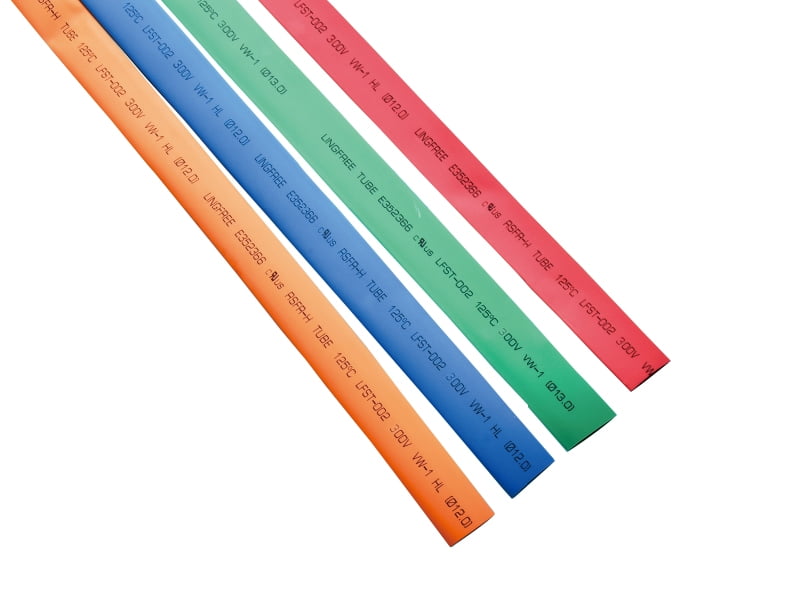
What Is a Heat Shrinkable Sleeve?
A Heat Shrinkable Sleeve is a polymer-based tube or sleeve that contracts in diameter when heated to a specified temperature. Before heating, the sleeve has a larger diameter, allowing it to slide easily over wires, cables, terminals, or other components. After heating, it shrinks to fit tightly around the covered surface.
This heat-shrinking process creates a protective insulation layer that helps prevent electrical short circuits, reduces mechanical damage, and improves the durability of electrical connections.
Depending on the application, heat shrinkable sleeves are available in different materials, shrink ratios, wall thicknesses, colors, and diameters. They can be used in low-voltage electrical systems, automotive wiring, consumer electronics, telecommunications, and industrial manufacturing.
Key Features of Heat Shrinkable Tube
Heat Shrinkable Tube is widely used because of its excellent combination of flexibility, insulation performance, and protective properties.
1. Excellent Electrical Insulation
Heat shrinkable tubes provide an insulating barrier around wires, cable joints, and electrical terminals. They help reduce the risk of accidental contact, electrical leakage, and short circuits in electrical assemblies.
2. Flexible and Durable Construction
Manufactured from flexible polymer materials, these tubes can adapt to different component shapes and installation requirements. Their flexibility makes them suitable for applications involving curved wires, irregular surfaces, and compact electronic assemblies.
3. Mechanical and Environmental Protection
A properly installed shrink tube helps protect components from abrasion, dust, moisture, and everyday mechanical wear. Certain material formulations can also provide resistance to oils, chemicals, and UV exposure.
4. Easy Installation
Heat shrinkable sleeves can be installed using suitable heat guns or industrial heating equipment. Once heated to the specified shrink temperature, they contract around the target component to create a close-fitting protective layer.
5. Multiple Sizes and Specifications
Different inner diameters, wall thicknesses, shrink ratios, and colors are available to accommodate different wire sizes and application requirements.
Ul Heat Shrinkable Sleeve for Electrical Applications
UL Heat Shrinkable Sleeve is designed for applications where recognized safety requirements and material compliance are important. Depending on the specific product model, UL-recognized or UL-listed heat shrinkable tubing can be used in electrical insulation and wire protection applications.
When selecting a UL Heat Shrinkable Sleeve, buyers should consider the applicable UL file number, material classification, operating temperature, voltage rating, shrink ratio, and wall thickness.
These specifications help ensure that the selected insulation sleeve is compatible with the intended electrical system and relevant industry requirements.
Common applications include:
Electrical wire harnesses
Power supply assemblies
Electronic components
Automotive wiring systems
Industrial control panels
Cable connections and terminals
For manufacturers and distributors, choosing a suitable UL-compliant heat shrinkable product can help simplify component selection and support electrical product safety requirements.
Ultra Thin Heat Shrinkable Tube for Compact Components
Ultra Thin Heat Shrinkable Tube is particularly suitable for electronic products and electrical assemblies where installation space and material thickness are limited.
Compared with standard heat shrinkable tubing, ultra-thin designs feature a thinner wall after shrinking, helping minimize additional bulk while maintaining the required insulation and protection performance.
Typical applications include:
Precision electronic components
Small-diameter wires
Sensor connections
Communication equipment
Battery wiring assemblies
Compact electrical connectors
The main advantage of an Ultra Thin Heat Shrinkable Tube is its ability to provide insulation without significantly increasing the overall size of the assembly. It is especially useful in products with limited internal space and lightweight construction requirements.
Flexible Polymer Materials for Heat Shrinkable Products
Flexible Polymer Materials play an essential role in the performance of modern insulation products. Different polymer formulations offer different combinations of flexibility, thermal stability, electrical insulation, and chemical resistance.
Common materials used in heat shrinkable products include:
Polyolefin
Polyolefin is widely used for general-purpose heat shrinkable tubing because of its good electrical insulation, flexibility, and balanced physical properties. It is suitable for wire harnesses, electronic components, and general electrical protection.
PVC
PVC heat shrinkable tubing is commonly used in applications requiring flexibility, insulation, and cost-effective protection. It is available in different colors and sizes for various electrical and industrial applications.
Fluoropolymer
Fluoropolymer materials are selected for applications requiring higher temperature resistance and improved chemical resistance. They are commonly used in demanding industrial, automotive, and electronic environments.
The choice of Flexible Polymer Materials depends on operating temperature, electrical requirements, mechanical conditions, and the surrounding environment.
Flexible Polymer Materials Tube: Applications and Benefits
A Flexible Polymer Materials Tube is designed to combine flexibility with functional protection. Depending on its material composition and structure, it can be used for insulation, cable protection, component covering, and other industrial applications.
In electrical manufacturing, flexible polymer tubes help protect sensitive components while allowing wires and assemblies to maintain their required flexibility.
Key application industries include:
Automotive Industry: Protecting wire harnesses, connectors, and electrical assemblies.
Electronics Industry: Insulating small wires, terminals, and electronic components.
Electrical Equipment: Providing insulation and protection for cable connections and control systems.
Telecommunications: Protecting cable joints and communication wiring.
Industrial Manufacturing: Covering electrical connections and components exposed to mechanical wear.
By selecting the right polymer formulation and tube specifications, manufacturers can improve product reliability and meet different application requirements.
Flexible Insulation Sleeve vs. Standard Shrink Tube
Both Flexible Insulation Sleeve and standard Shrink Tube are used to protect electrical components, but their designs and intended applications may differ.
A Flexible Insulation Sleeve generally emphasizes flexibility, insulation, and protective coverage. Depending on its construction, it may be designed for applications where a flexible covering is needed without necessarily requiring heat shrinking.
A standard Shrink Tube, on the other hand, is specifically designed to contract when heated, allowing it to fit tightly around wires and components.
When choosing between these products, consider the installation method, required insulation performance, operating environment, and mechanical flexibility.
How to Choose the Right Heat Shrinkable Sleeve Supplier
Selecting a reliable Heat Shrinkable Sleeve Supplier is important for manufacturers, electrical contractors, and industrial distributors. Product quality and specification consistency directly affect the performance of finished electrical assemblies.
Here are several factors to consider:
1. Material Quality
Choose a supplier that can provide detailed information about polymer materials, insulation properties, temperature ratings, and environmental resistance.
2. Product Specifications
Check available diameters, shrink ratios, wall thicknesses, colors, and operating temperature ranges to ensure compatibility with your application.
3. UL Compliance and Certifications
If your project requires UL-recognized products, verify the applicable certification details and confirm that the exact product model meets your requirements.
4. Customization Capabilities
A professional supplier should be able to support different dimensions, colors, packaging options, and product specifications according to customer requirements.
5. Consistent Quality Control
Stable manufacturing processes and product testing help ensure consistent shrink performance, insulation properties, and dimensional accuracy across different production batches.
Working with an experienced supplier of Flexible Polymer Materials can help businesses find suitable insulation solutions for their electrical and industrial applications.
Frequently Asked Questions (FAQ)
1. What is a Heat Shrinkable Sleeve used for?
A Heat Shrinkable Sleeve is mainly used for electrical insulation, wire protection, cable identification, and mechanical protection. It shrinks when heated to form a close-fitting protective layer around wires, connectors, and other components.
2. What is the difference between a Heat Shrinkable Sleeve and a Heat Shrinkable Tube?
Both terms are commonly used to describe heat-activated polymer coverings. Heat Shrinkable Tube generally refers to tubular products supplied in continuous lengths or cut sections, while Heat Shrinkable Sleeve can also describe protective sleeve products designed for specific components or assemblies.
3. What is a UL Heat Shrinkable Sleeve?
A UL Heat Shrinkable Sleeve is a heat shrinkable insulation product associated with applicable UL recognition or listing requirements. Buyers should verify the certification and technical specifications of the exact product model before purchasing.
4. What materials are used to manufacture heat shrinkable tubes?
Common materials include polyolefin, PVC, and fluoropolymers. Each material offers different levels of flexibility, electrical insulation, thermal stability, and chemical resistance.
5. What is an Ultra Thin Heat Shrinkable Tube used for?
Ultra Thin Heat Shrinkable Tube is commonly used for small wires, compact electronic components, sensors, and electrical connectors where limited installation space requires a thinner insulation layer.
6. How do I choose the correct shrink tube size?
Consider the component's maximum diameter, the tube's expanded inner diameter, its recovered inner diameter, and the shrink ratio. The expanded tube must fit over the component, while the recovered tube must shrink tightly around it.
7. How can I find a reliable Heat Shrinkable Sleeve Supplier?
Look for a supplier with stable manufacturing capabilities, detailed technical specifications, quality control procedures, relevant certifications, and customization services. Requesting samples and technical datasheets is also recommended before placing a bulk order.
Get in Touch for Heat Shrinkable Sleeve Solutions
Whether you need a standard Heat Shrinkable Tube, UL Heat Shrinkable Sleeve, Ultra Thin Heat Shrinkable Tube, or customized Flexible Insulation Sleeve, selecting the right material and specifications is essential for reliable electrical protection.
As a supplier of flexible polymer materials, we are committed to providing practical insulation and protection solutions for different industrial applications. Contact us to discuss your product requirements, request technical information, and find the right heat shrinkable products for your business.
