


 English

Choosing the best material for a busbar depends on the electrical, mechanical, thermal, and installation requirements of the application. Copper and aluminum are the two most common materials used for busbar conductors, while the right insulation material is also important for protecting the busbar during operation.
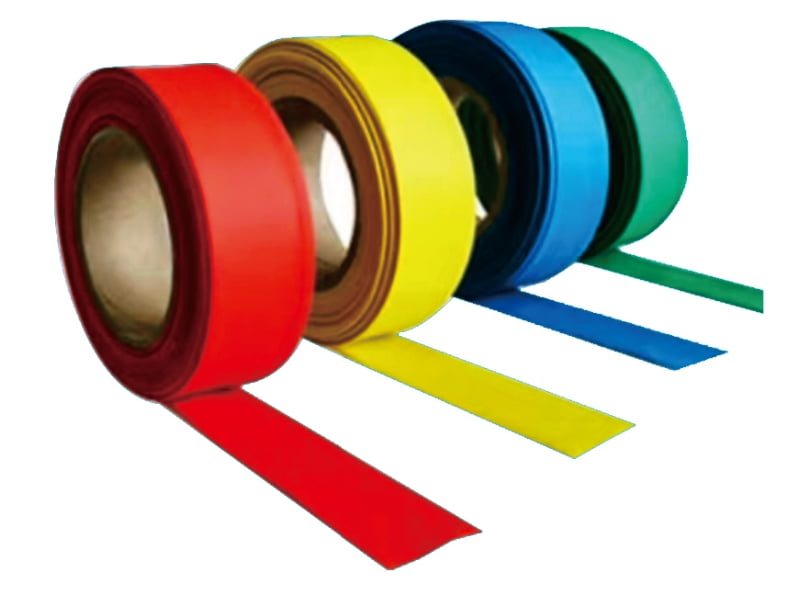
For applications that require reliable electrical insulation and protection, a suitable busbar insulation tube or busbar insulation sleeve can help reduce the risk of accidental contact, short circuits, and electrical faults.
What Materials Are Commonly Used for Busbars?
Copper and aluminum are widely used for electrical busbars because both materials offer good electrical conductivity. However, their properties are different, so the appropriate busbar material depends on the specific application.
Copper Busbar
Copper is widely used for busbars because of its high electrical conductivity, good thermal conductivity, and reliable connection performance.
Copper busbars are commonly found in electrical distribution systems, switchgear, control panels, battery systems, power equipment, and other applications where efficient current transmission is important.
Copper also has good mechanical properties and can be processed into different shapes and sizes to meet specific electrical design requirements.
Aluminum Busbar
Aluminum is another common busbar material. It has lower electrical conductivity than copper but offers a significant weight advantage.
For applications where weight and material cost are important considerations, aluminum busbars can be an appropriate option. Aluminum busbars are used in power distribution, electrical equipment, renewable energy systems, and other applications.
Why Does a Busbar Need Insulation?
A conductive busbar can carry high electrical current, but exposed conductive surfaces can create safety and electrical clearance concerns. Busbar insulation provides a protective layer around the conductor and helps prevent unwanted contact between conductive components.
Depending on the application, busbar insulation can provide several functions:
Reduce the risk of accidental electrical contact
Help prevent short circuits between conductive components
Improve electrical safety
Provide protection against environmental exposure
Help maintain electrical clearance and insulation performance
Protect the busbar surface from mechanical damage
For this reason, selecting the right conductor material is only part of busbar design. The busbar insulation material and insulation structure also need to match the operating conditions.
What Is the Best Material for Busbar Insulation?
There is no single insulation material that is best for every busbar application. The appropriate material depends on factors such as operating temperature, voltage, flexibility, flame resistance, mechanical protection, installation method, and environmental conditions.
PVC Insulation
PVC is widely used for electrical insulation because it offers good electrical insulation properties, flexibility, and cost efficiency. Depending on the formulation and product design, PVC insulating tubes can be used for electrical protection and insulation applications.
Polyolefin Insulation
Polyolefin materials are commonly used in electrical insulation and heat-shrinkable products. They can provide good electrical insulation and protection while allowing the tube to conform closely to the busbar after installation.
Silicone Insulation
Silicone offers excellent flexibility and can maintain its performance across a relatively wide temperature range. Silicone insulation materials can be considered for applications requiring flexibility and temperature resistance.
Heat-Shrinkable Insulation
Heat shrinkable busbar insulation is designed to shrink when heated, allowing the material to closely fit the shape of the busbar. This type of busbar insulation tube is useful for protecting irregular or shaped conductors and can provide a clean and secure insulating layer.
How to Choose the Right Busbar Insulation Material?
When selecting busbar insulation, the material should be evaluated according to the actual operating environment rather than based on material name alone.
Operating Temperature
The insulation material should be able to withstand the expected operating temperature of the busbar. Continuous operating temperature, temperature fluctuations, and possible heat generated by electrical current should all be considered.
Electrical Insulation Requirements
The insulation system needs to provide appropriate dielectric strength and insulation performance for the intended electrical application. Voltage level and required insulation distance are important factors when selecting a busbar insulating tube.
Flexibility and Installation
Busbars can have different shapes and dimensions. Flexible insulation materials or heat-shrinkable busbar insulation can make installation easier, particularly when the conductor has bends, corners, or irregular sections.
Flame and Environmental Resistance
Depending on the application, the insulation may need resistance to flame, moisture, chemicals, UV exposure, abrasion, or other environmental conditions. The appropriate material should be selected according to the actual working environment.
Busbar Material vs Busbar Insulation Material
It is important to distinguish between the conductive material of the busbar and the material used to insulate it.
The busbar conductor material, such as copper or aluminum, determines important electrical and mechanical characteristics of the conductor.
The busbar insulation material, such as PVC, polyolefin, or silicone, is selected to provide electrical insulation and physical protection.
Therefore, choosing the best busbar solution involves considering both the conductive material and the insulation system. A high-quality conductor still requires suitable insulation when exposed conductive surfaces could create electrical or safety risks.
What Is a Busbar Insulation Tube?
A busbar insulation tube is an insulating tube designed to cover and protect an electrical busbar. It forms a protective layer around the conductive surface and can help improve electrical insulation and operational safety.
Depending on the design, a Busbar Insulation Sleeve may be supplied in different sizes, thicknesses, materials, and installation methods to accommodate different busbar dimensions and applications.
For shaped or irregular busbars, heat-shrinkable products can provide a close-fitting insulation layer after installation. This makes heat shrinkable busbar insulation a practical solution for many electrical applications.
Applications of Busbar Insulation
Busbar insulation products can be used in a wide range of electrical and power applications, including:
Electrical distribution systems
Switchgear and control panels
Power distribution cabinets
Battery systems
Energy storage systems
Renewable energy equipment
Industrial electrical equipment
Electrical power systems
FAQ
What is the best material for a busbar?
Copper and aluminum are the most common busbar conductor materials. Copper offers high electrical conductivity, while aluminum provides a lighter-weight alternative. The appropriate material depends on the electrical, mechanical, weight, and cost requirements of the application.
What is the best material for busbar insulation?
The best busbar insulation material depends on the operating temperature, voltage, flexibility, flame resistance, environmental conditions, and installation requirements. PVC, polyolefin, silicone, and other specialized insulating materials may be suitable for different applications.
What is a busbar insulation tube used for?
A busbar insulation tube is used to cover and protect conductive busbars. It can help reduce the risk of accidental contact and short circuits while providing electrical insulation and physical protection.
What is the difference between a busbar insulation tube and a Busbar Insulation Sleeve?
The terms are often used to describe similar insulating products designed to cover busbars. The exact structure, material, installation method, and dimensions can vary depending on the manufacturer and application.
Is heat shrinkable insulation suitable for busbars?
Heat shrinkable busbar insulation can be suitable for many busbar applications because it can conform closely to the conductor after heating. However, the material, temperature rating, voltage requirements, and dimensions should be verified for the specific application.
