


 English

Rubber can change its shape and dimensions when exposed to heat, pressure, or other conditions, but not all rubber materials shrink in the same way. If you need controlled and uniform shrinkage, the material and product structure are important factors to consider. For rubber tubing and similar applications, specially designed Heat Shrink Tubing is often a more practical solution than trying to shrink ordinary rubber directly. Understanding how rubber responds to heat can help you choose the right shrinking method for your application.
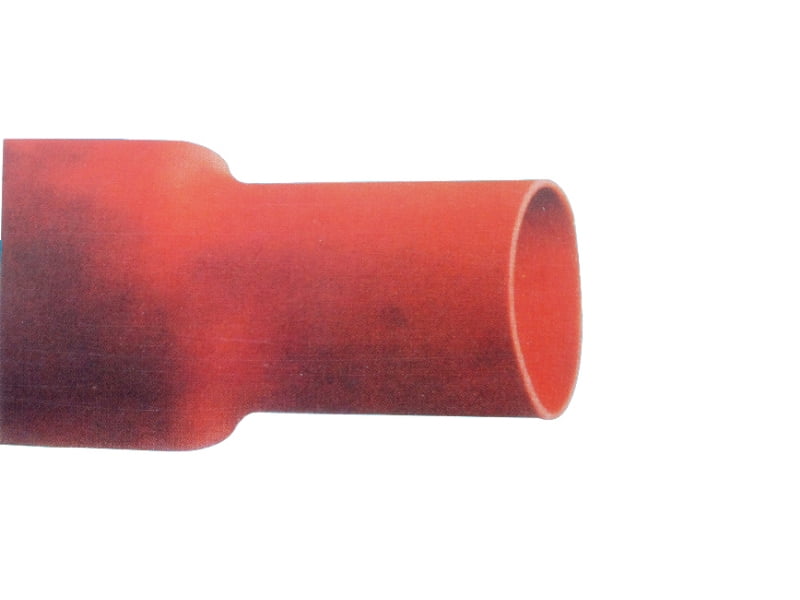
Can Rubber Shrink When Heated?
Rubber does not always simply shrink when heated. Its behavior depends on the type of rubber, manufacturing process, formulation, and previous stretching or forming. Some rubber products may expand, soften, deform, or change their dimensions when exposed to high temperatures. Therefore, simply applying heat to ordinary rubber is not a reliable way to achieve controlled rubber shrinkage. If a consistent reduction in diameter is required, a purpose-designed heat shrink product is usually a better option.
What Is the Best Way to Shrink Rubber?
The best method depends on the rubber material and the application. For rubber tubing or Protective Sleeves that need to conform tightly around another component, heat shrink tubing is commonly used. The basic process is:
1. Select the Right Shrinkable Material
Choose a tubing material that is specifically designed for heat shrinking. The tubing should have an appropriate recovery ratio, operating temperature, and size for the application.
2. Place the Tubing Over the Component
Slide the heat shrink tubing over the wire, cable, connection, or other component that needs protection. Make sure the tubing is positioned correctly before applying heat.
3. Apply Controlled Heat
Use a suitable heat source to warm the tubing evenly. A heat gun is commonly used for heat shrink tubing because it allows the operator to control the heating area. Avoid concentrating excessive heat on one point, as uneven heating can cause deformation or damage.
4. Allow the Tubing to Shrink Evenly
As the temperature reaches the required range, the tubing contracts and conforms to the shape of the underlying component. Continue heating evenly until the desired recovery is achieved.
5. Allow It to Cool
After shrinking, allow the material to cool naturally. This helps the tubing maintain its final shape and fit.
What Is Heat Shrink Tubing?
Heat shrink tubing is a specially manufactured tube that contracts when heated. It is commonly used for electrical insulation, cable protection, sealing, bundling, and mechanical protection. Unlike ordinary rubber tubing, heat shrink tubing is designed to provide predictable dimensional recovery when exposed to the appropriate heat. This makes it useful when a close and secure fit is required around wires, cables, connectors, pipes, or other components.
How to Shrink Rubber Tubing Properly
When working with rubber tubing or heat shrink tubing, several factors can affect the final result.
Choose the Correct Tubing Size
The tubing should be large enough to fit over the component before heating but capable of shrinking to the required final diameter.
Use Even Heating
Move the heat source around the tubing instead of keeping it in one position. Uniform heating helps achieve more consistent shrinkage.
Avoid Excessive Heat
Too much heat can damage the tubing or the component inside it. Always follow the recommended processing conditions for the specific material.
Check the Final Fit
After shrinking, inspect the tubing for wrinkles, gaps, burns, or uneven recovery. A properly installed tube should provide a secure and consistent fit.
What Factors Affect Rubber Shrinkage?
Several factors can influence the shrinkage or dimensional change of rubber and rubber-like materials.
Material Type
Different rubber materials have different responses to temperature. The material formulation and manufacturing process can also affect dimensional stability.
Temperature
Temperature affects the flexibility and dimensions of rubber. However, increasing the temperature does not necessarily produce controlled shrinkage in ordinary rubber.
Heating Time
The amount of time the material is exposed to heat can affect its final dimensions and physical properties.
Product Design
The thickness, diameter, shape, and construction of rubber tubing can influence how it responds to heat.
Heat Shrinking Rubber vs. Heat Shrink Tubing
It is important to distinguish between ordinary rubber shrinkage and heat shrink tubing. Ordinary rubber may change its dimensions when heated, but the result can be difficult to predict. Heat shrink tubing, on the other hand, is specifically engineered to recover toward a predetermined size when heated. For applications that require consistent shrinking, tight fitting, insulation, or protection, heat shrink tubing can provide better control and repeatability.
Applications of Heat Shrink Tubing
Heat shrink tubing can be used in a wide range of industrial and electrical applications, including: * Electrical insulation * Wire and cable protection * Connector protection * Cable bundling * Sealing and moisture protection * Mechanical protection * Component identification * Industrial equipment assembly The appropriate material, size, shrink ratio, and temperature range should be selected according to the actual application.
FAQ
Can you shrink ordinary rubber with heat?
Heating can change the dimensions and physical properties of ordinary rubber, but it does not necessarily produce predictable shrinkage. For controlled shrinkage, a purpose-designed heat shrink material is generally more suitable.
What is the best way to shrink rubber tubing?
If the tubing is designed for heat shrinking, controlled heating with a suitable heat gun is a common method. The tubing should be heated evenly according to the manufacturer's recommended conditions.
Can a heat gun shrink rubber?
A heat gun can be used with heat shrink tubing and other heat-shrinkable materials. Whether it can effectively shrink ordinary rubber depends on the specific material and its construction.
How do you get an even shrink on tubing?
Use the correct tubing size and apply heat evenly around the entire circumference. Moving the heat source continuously can help prevent localized overheating and uneven recovery.
What is heat shrink tubing used for?
Heat shrink tubing is commonly used for electrical insulation, wire and cable protection, sealing, bundling, and mechanical protection.
