


 English

Heat shrinking tubing, also known as Heat Shrink Tubing or Heat Shrinkable Tubing, is a flexible tube used to insulate, protect, and organize wires, cables, and electrical connections. When heated, the tubing contracts and forms a tight protective layer around the covered component.
Learning how to use heat shrinking tubing is relatively simple. The basic process involves selecting the correct size, cutting the tube, positioning it over the connection, and applying controlled heat. This guide explains how heat shrink tubing works, how to install it, and how to choose the right product for different applications.
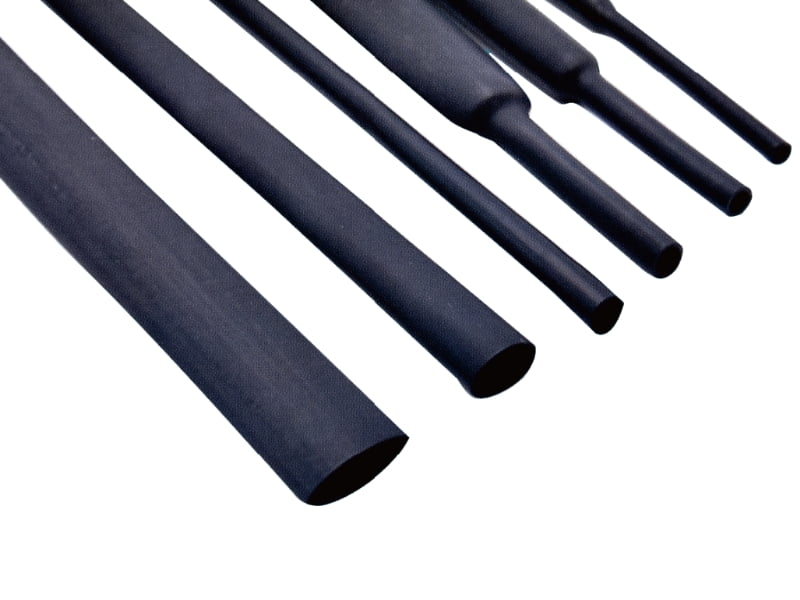
What Is Heat Shrink Tubing?
Heat Shrink Tubing is a polymer-based tube designed to shrink when exposed to heat. It is commonly used in electrical and electronic applications because it can provide insulation and physical protection around wires and connections.
Unlike ordinary plastic tubing, Heat Shrink Tube is specifically manufactured to change its dimensions when heated. This allows it to tightly fit around wires, terminals, connectors, and other components.
What Is Heat Shrinkable Tubing Used For?
Heat Shrinkable Tubing can be used for:
Electrical insulation
Wire and cable protection
Connector protection
Cable bundling
Strain relief
Moisture protection
Abrasion protection
Identification and organization
The exact performance depends on the tubing material, shrink ratio, temperature rating, and product design.
How to Use Heat Shrinking Tubing?
The installation process is straightforward, but choosing the correct tubing size and applying heat evenly are important.
Step 1: Choose the Right Heat Shrink Tubing
First, select a Heat Shrink Tube with an appropriate diameter and shrink ratio.
The tubing should be large enough to slide over the wire or connection before shrinking. After heating, it should contract sufficiently to form a secure fit.
Consider the following factors:
Inner diameter
Shrink ratio
Tubing length
Temperature rating
Material
Application requirements
Step 2: Cut the Tubing
Cut the Heat Shrink Tubing to the required length using a suitable cutting tool.
The tubing should cover the entire area that needs protection. Avoid cutting it unnecessarily long, as excessive tubing may make installation more difficult.
Step 3: Position the Tubing
Before making the wire connection, slide the heat shrink tubing onto one side of the wire.
This step is important when working with soldered or crimped connections because the tubing must be positioned before the connection is completed.
After connecting the wires, move the tubing over the exposed connection area.
Step 4: Check the Position
Make sure the Heat Shrinkable Tubing covers the entire connection and extends slightly beyond the exposed area.
Check that there are no sharp edges or components that could damage the tubing during installation.
Step 5: Apply Heat
Use a heat gun to heat the tubing evenly.
Move the heat gun around the tubing instead of concentrating heat on one point. As the temperature increases, the tubing will begin to shrink and conform to the shape of the wire or connection.
Avoid overheating the tubing or the components underneath it.
Step 6: Allow the Tubing to Cool
After the tubing has fully contracted, remove the heat source and allow it to cool naturally.
Once cooled, the Electrical Heat Shrink Tubing should form a tight protective layer around the wire or connection.
How Does Heat Shrink Tubing Work?
Heat shrink tubing is manufactured so that it can contract when exposed to a specific temperature range.
Before heating, the tubing has a larger diameter that allows it to be installed over a wire or connection. When heated, the material contracts and reduces its diameter.
This creates a close-fitting layer around the component and helps provide electrical insulation and mechanical protection.
How to Choose the Right Heat Shrink Tube?
Choosing the right product is essential for achieving a reliable installation.
Check the Diameter
The unshrunk inner diameter should be large enough to fit over the connection. The recovered diameter should be small enough to provide a secure fit.
Consider the Shrink Ratio
Common shrink ratios vary depending on the product. A higher shrink ratio can be useful when the initial size of the component varies significantly from the final covered diameter.
Check the Temperature Rating
Different Heat Shrink Tubing materials have different operating temperature ranges. Select a product suitable for the working environment.
Consider the Application
For general electrical insulation, standard tubing may be sufficient. Applications exposed to moisture, chemicals, heat, or mechanical stress may require specialized heat shrinkable tubing.
Select the Appropriate Material
Heat shrink tubing can be manufactured from different polymer materials, each offering different characteristics such as flexibility, temperature resistance, chemical resistance, and durability.
What Is Electrical Heat Shrink Tubing?
Electrical Heat Shrink Tubing is designed specifically for insulating and protecting electrical wires, cables, terminals, and connections.
It can help prevent accidental contact between conductive components and provide an additional layer of protection against abrasion and environmental exposure.
Heat Shrink Wire Tubing
Heat Shrink Wire Tubing is commonly used to protect individual wires and wire connections.
It can be installed over:
Soldered wire connections
Crimp terminals
Cable joints
Wire ends
Electrical connectors
For electrical applications, always choose tubing with specifications appropriate for the voltage, temperature, and operating environment.
Common Mistakes When Using Heat Shrink Tubing
Knowing what not to do is also an important part of learning how to use heat shrinking tubing.
Using the Wrong Size
Tubing that is too large may not shrink tightly enough, while tubing that is too small may be difficult or impossible to install over the connection.
Applying Excessive Heat
Too much heat can damage the tubing, wire insulation, or nearby components. Heat should be applied gradually and evenly.
Heating Only One Area
Concentrating the heat source on one location can cause uneven shrinking or damage. Moving the heat source around the tubing helps achieve more consistent results.
Installing the Tubing Too Late
For soldered or crimped wire connections, the tubing should be placed on the wire before completing the connection.
Applications of Heat Shrink Tubing
Heat Shrink Tubing is used in many electrical, electronic, automotive, and industrial applications.
Electrical Wiring
It can insulate and protect wire connections in electrical equipment and wiring systems.
Automotive Wiring
Heat shrink tubing can be used to protect wire joints and connections in automotive electrical systems.
Electronic Devices
It is commonly used to insulate component leads, terminals, and internal wiring.
Cable Assemblies
Heat shrinkable tubing can help organize and protect wires within cable assemblies.
Industrial Equipment
Industrial electrical equipment can use specialized heat shrink tubing for insulation, protection, and cable organization.
Frequently Asked Questions About Heat Shrink Tubing
How do you use heat shrinking tubing?
Cut the tubing to the required length, slide it over the wire or connection, position it correctly, and apply controlled heat with a heat gun until it contracts around the component.
What can I use to heat shrink tubing?
A heat gun is generally the preferred tool because it provides controlled and even heat. The appropriate heating method depends on the specific tubing product.
Can I use a lighter for heat shrink tubing?
A lighter may produce uneven and excessive heat and can damage the tubing or nearby components. A heat gun is generally a better choice for controlled installation.
What is heat shrink tubing used for?
Heat shrink tubing is commonly used for electrical insulation, wire protection, connector protection, cable bundling, strain relief, and moisture or abrasion protection.
How do I choose the correct heat shrink tube size?
Choose tubing that can fit over the largest part of the connection before shrinking and can contract enough to provide a secure fit after heating.
What is the difference between heat shrink tubing and heat shrinkable tubing?
In most applications, Heat Shrink Tubing and Heat Shrinkable Tubing refer to the same type of heat-activated protective tubing.
Can heat shrink tubing be used on wires?
Yes. Heat Shrink Wire Tubing is commonly used to insulate and protect wires, terminals, cable joints, and electrical connections.
Learning how to use heat shrinking tubing involves a simple process: choose the correct size, cut the tubing, position it over the connection, apply controlled heat, and allow it to cool.
Heat Shrink Tubing provides a practical way to improve electrical insulation and protect wires, connectors, and cable assemblies from mechanical and environmental exposure. For electrical applications, Electrical Heat Shrink Tubing and Heat Shrink Wire Tubing can be selected according to the specific requirements of the system.
By choosing the correct diameter, shrink ratio, material, and temperature rating, users can achieve a secure and effective heat shrink installation.
