


 English

A fiberglass tube is a high-performance composite material widely used in electrical insulation, thermal protection, and structural applications. Known for its excellent heat resistance and mechanical strength, fiberglass tubing has become essential in industries such as aerospace, automotive, electronics, and industrial equipment manufacturing.
In this article, we will explore what fiberglass tubing is used for, how strong it is, how long it lasts, and why fiberglass can sometimes be unsafe to touch.
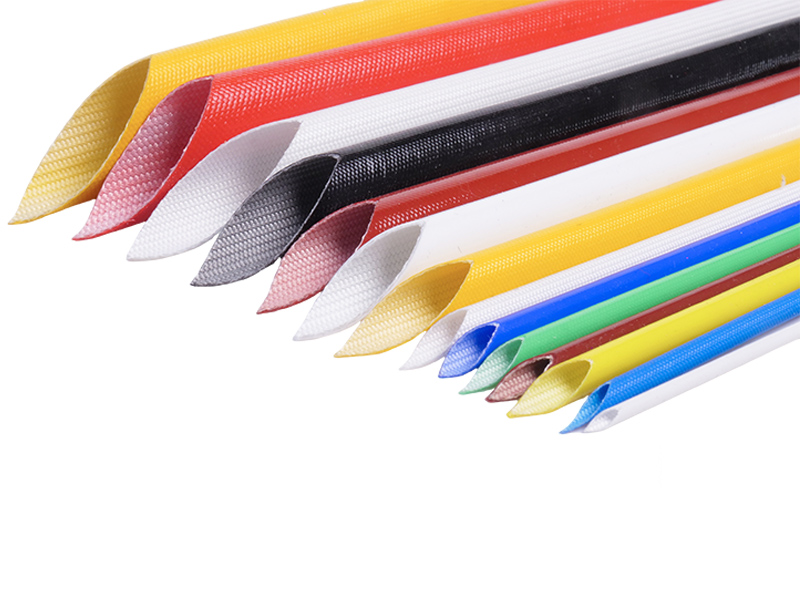
What Is Fiberglass Tubing?
A fiberglass tube (also called glass fibre tube or fiberglass tubing) is made from fine glass fibers woven together and bonded with resin. This structure creates a lightweight yet extremely strong material with excellent insulation properties.
Common types include:
Flexible fiberglass tube / flexible fiberglass tubing – bendable and easy to install in complex wiring systems
Silicone fiberglass tube – coated with silicone for improved heat and chemical resistance
Fiberglass Sleeving – thin-wall insulation used for wires and cables
High Temperature Fiberglass Sleeving – designed for extreme heat environments
Because of its versatility, fiberglass tubing is widely supplied by fiberglass tube manufacturers and fiberglass tubing suppliers for industrial and commercial use.
What Is Fiberglass Tubing Used For?
A fiberglass tube is used in many demanding environments where heat resistance, electrical insulation, and durability are required.
1. Electrical Insulation
Fiberglass tubing is commonly used as an electrical insulation sleeve for wires, cables, and conductors. It prevents short circuits and improves system safety.
2. High-Temperature Protection
High Temperature Fiberglass Sleeving can withstand extreme heat, making it ideal for:
Motors and generators
Transformers
Industrial heating equipment
Automotive engine compartments
3. Mechanical Protection
Fiberglass tubes protect components from abrasion, vibration, and mechanical stress.
4. Aerospace and Automotive Applications
Used in aircraft wiring systems and automotive thermal shielding due to its lightweight and heat resistance.
5. Industrial Equipment
Applied in machinery, control panels, and power systems for insulation and protection.
How Strong Is Fiberglass Tubing?
Fiberglass tubing is known for its excellent strength-to-weight ratio.
High tensile strength – stronger than many plastics and comparable to some metals in specific applications
Lightweight – much lighter than steel or aluminum
Good rigidity – resists bending and deformation under load
Excellent fatigue resistance – performs well under repeated stress
Although not as strong as steel in absolute terms, fiberglass tubing is often preferred where corrosion resistance and insulation are required.
How Long Do Fiberglass Tubes Last?
The lifespan of a fiberglass tube depends on environmental conditions and usage, but in general:
Indoor use: 10–30 years or more
Industrial use: 5–20 years depending on heat and chemical exposure
High-temperature environments: lifespan may be shorter if constantly exposed to extreme conditions
Fiberglass is highly resistant to:
Corrosion
Moisture
UV exposure (when coated)
Electrical degradation
This makes it a long-lasting solution in many industrial systems.
Why Can’t You Touch Fiberglass?
Fiberglass materials can be irritating to the skin due to their microscopic glass fibers.
Main reasons include:
Skin irritation – tiny fibers can cause itching or redness
Respiratory irritation – airborne particles may irritate lungs if inhaled
Mechanical irritation – fibers can penetrate the outer skin layer
However, modern Fiberglass Sleeving and coated products (such as silicone fiberglass tube) are usually sealed, making them safe for normal handling in industrial applications.
Protective gloves and masks are recommended when working with raw fiberglass materials.
Advantages of Fiberglass Tubing
Fiberglass tubing offers several important benefits:
Excellent high temperature resistance
Strong electrical insulation performance
Lightweight yet durable structure
Resistant to chemicals and corrosion
Suitable for harsh industrial environments
Available in flexible and coated versions
These advantages make it a preferred material in many engineering fields.
Fiberglass Tube Manufacturers and Suppliers
There are many global fiberglass tube manufacturers and fiberglass tubing suppliers offering a wide range of products, including:
Standard fiberglass tubes
Flexible fiberglass tubing
Silicone-coated fiberglass sleeves
High temperature insulation tubing
Industrial buyers often source fiberglass tubes for sale based on:
Temperature rating
Diameter and thickness
Flexibility requirements
Electrical insulation grade
A fiberglass tube is a versatile and durable material widely used for insulation, heat resistance, and structural protection. Whether in the form of flexible fiberglass tubing, silicone fiberglass tube, or high temperature fiberglass sleeving, it plays a critical role in modern industrial and electrical systems.
With strong mechanical properties, long service life, and excellent insulation performance, fiberglass tubing remains an essential material across many industries.
