


 English

High-temperature Fiberglass Sleeving is a protective insulation material made from woven fiberglass fibers, designed to shield wires, cables, and electrical components from extreme heat, fire, abrasion, and chemical exposure. It is widely used in industries where reliable high temperature cable insulation is essential, such as automotive, aerospace, electrical, industrial equipment, and renewable energy systems.
As a durable form of Fiberglass Sleeving, it ensures stable performance in harsh environments where standard insulation materials would fail.
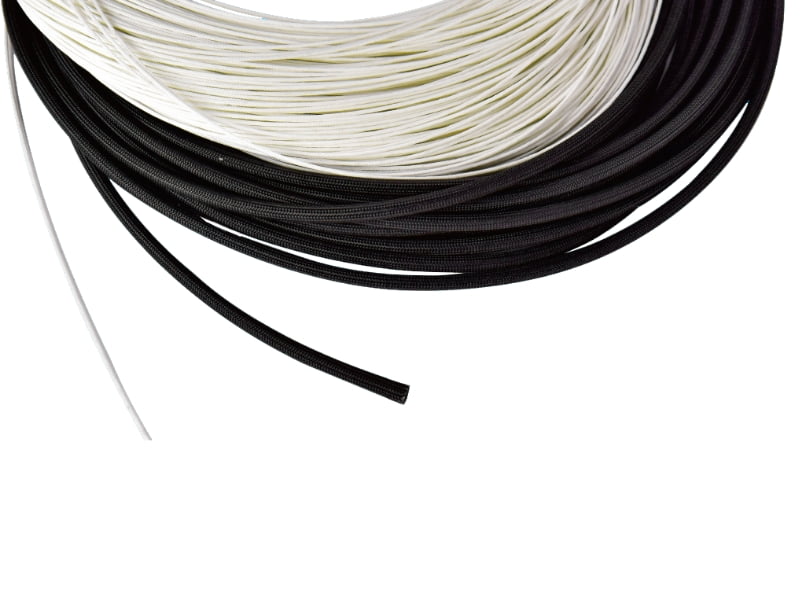
What is high-temperature fiberglass sleeving?
High-temp fiberglass sleeving (also called fiberglass high temperature sleeving or heat resistant fiberglass sleeve) is a tubular insulation product made by braiding or weaving fiberglass yarn into a flexible sleeve.
It is designed to:
Protect electrical wires from high heat
Provide fire resistance
Improve electrical insulation
Increase mechanical durability
In simple terms, it is a heat resistant fiberglass sleeve used to protect cables in extreme temperature environments.
Fiberglass sleeve temperature resistance
One of the key advantages is its excellent thermal performance. The fiberglass sleeve temperature range typically includes:
Continuous working temperature: up to 260°C (500°F)
Short-term exposure: up to 537°C (1000°F)
This makes High Temperature Fiberglass Sleeving suitable for environments involving engines, industrial furnaces, and high-power electrical systems.
Key features of high-temperature fiberglass sleeving
1. Excellent heat resistance
High temp fiberglass sleeving maintains structural integrity even under continuous high heat, making it ideal for fiberglass sleeving for extreme heat applications.
2. Fire retardant protection
It is naturally flame-resistant and helps prevent fire spread in electrical systems, making it a reliable fireproof fiberglass sleeving solution.
3. Electrical insulation
Provides strong insulation performance, reducing the risk of short circuits and electrical failures in high-voltage systems.
4. Chemical and abrasion resistance
Resistant to oils, solvents, acids, and mechanical wear, ensuring long service life in industrial environments.
5. Flexibility and easy installation
Despite its strength, fiberglass sleeving remains flexible and easy to install in tight or complex wiring systems.
Silicone-coated fiberglass sleeving
For enhanced performance, silicone-coated fiberglass sleeving is available. It adds an extra protective layer that improves:
Moisture resistance
Oil resistance
Abrasion resistance
Overall durability
This version is commonly used in automotive and heavy industrial applications.
Fiberglass sleeving vs fiberglass tube
Fiberglass sleeving: flexible braided insulation for wires and cables
Fiberglass tube: more rigid structure, used for insulation and structural support
Both are part of the broader fiberglass insulation sleeve product family.
Applications of high-temperature fiberglass sleeving
Automotive industry
Used for engine wiring, battery systems, and exhaust-adjacent cable protection.
Aerospace industry
Protects aircraft wiring harnesses and sensitive electronic systems under extreme conditions.
Electrical & electronics
Used in motors, transformers, and high-voltage cable insulation systems.
Industrial equipment
Applied in machinery, furnaces, and high-heat production environments.
Renewable energy systems
Used in solar, wind, and power generation equipment for safe cable protection.
Advantages of high-temperature fiberglass sleeving
High thermal stability
Excellent fire resistance
Strong electrical insulation
Long service life
Cost-effective protection solution
Suitable for extreme environments
So, what is high-temperature fiberglass sleeving?
It is a durable, heat-resistant, and fire-retardant insulation material designed to protect electrical wires and components in extreme temperature conditions.
Whether referred to as High Temperature Fiberglass Sleeving, heat resistant fiberglass sleeve, or fiberglass insulation sleeve, it plays a critical role in ensuring safety and reliability in industrial, automotive, and aerospace applications.
