


 English

In modern electrical systems, safety, durability, and efficiency are critical when transmitting high currents. Whether used in EV battery packs, renewable energy storage systems, switchgear, industrial control panels, or power distribution cabinets, busbars play a vital role in carrying electricity between components.
However, bare copper or aluminum busbars can be exposed to risks such as short circuits, corrosion, accidental contact, and environmental damage. This is where busbar sleeve solutions become essential.
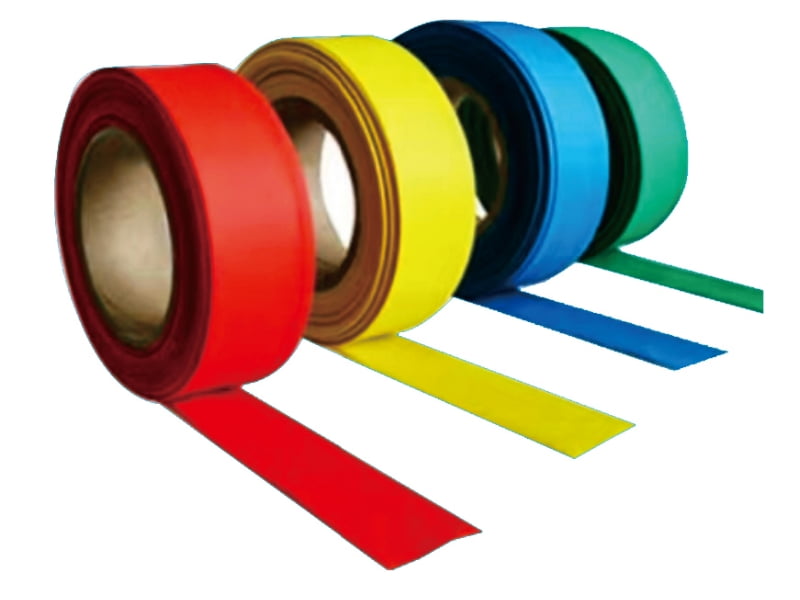
What Is a Busbar Sleeve?
A busbar sleeve is a protective insulating covering designed to wrap around copper or aluminum busbars. It helps improve electrical safety and protects the conductor from external damage.
Common terms include:
bus bar insulation sleeve
busbar sleeves
bus bar sleeve
busbar tubing
busbar tube
insulated sleeves
electrical distribution sleeves
electric distribution sleeves
These products are commonly used in:
Power distribution systems
EV battery packs
Solar energy storage systems
Electrical switchboards
Industrial machinery
Data centers
Rail transit systems
Why Is Busbar Insulation Important?
Without proper busbar insulation, exposed busbars can create serious risks.
1. Prevent Short Circuits
Bare conductors can accidentally touch nearby metal parts or other conductors. A bus bar insulation sleeve helps prevent electrical shorts.
This is especially important in compact electrical systems where busbars are installed close together.
2. Improve Electrical Safety
Using busbar insulation tubing reduces the chance of accidental human contact with live electrical conductors.
This helps:
Protect maintenance workers
Improve workplace safety
Meet electrical safety standards
3. Protect Against Heat
High-current applications generate heat.
Products like:
busbar heat shrink
busbar heat Shrink Sleeve
heat shrink sleeve for busbar
bus bar heat shrink
heat shrink busbar
heat shrink busbar insulation
busbar Heat Shrink Tubing
help protect busbars from thermal damage while maintaining insulation performance.
Some systems also use a busbar cap heat barrier for extra protection at connection points.
4. Prevent Corrosion and Environmental Damage
Busbars exposed to moisture, chemicals, dust, or outdoor environments may corrode over time.
Busbar insulation sleeves help protect against:
Humidity
Dust
Chemicals
UV exposure
Oxidation
This is especially important for renewable energy systems and marine applications.
What Type of Insulation Is Used in Bus Bars?
Many buyers ask: What type of insulation is used in bus bars?
Common busbar insulation material options include:
PVC Insulation
Busbar PVC Heat Shrinkable Sleeve is widely used because it offers:
Low cost
Good flexibility
Easy installation
Basic electrical insulation
Polyolefin Heat Shrink
Common in EV and battery systems due to:
Higher temperature resistance
Better durability
Flame retardant performance
Often used in heat-shrinkable sleeve systems.
Epoxy Coating
Used in heavy industrial and switchgear applications.
Benefits include:
Strong dielectric protection
Chemical resistance
Long service life
Silicone Insulation
Ideal for high-temperature environments.
Adhesive Insulation Materials
Some systems use dielectric busbar adhesive for added insulation sealing and moisture protection.
How Does Busbar Heat Shrink Work?
Busbar heat shrink tubing is one of the most common insulation methods.
Process:
Select the correct busbar size
Choose the right sleeve diameter
Slide the sleeve onto the conductor
Apply heat
Sleeve shrinks tightly around the busbar
This creates strong insulation and improves durability.
Applications of Busbar Sleeves
EV Battery Systems
Electric vehicles use insulated busbars for battery connections.
Renewable Energy Systems
Solar and wind storage systems rely on protected busbars.
Industrial Power Distribution
Factories use reducing sleeves for power distribution and protective insulation systems for safer operations.
Switchgear Equipment
Used to reduce arc risks and improve equipment lifespan.
How to Choose the Right Busbar Sleeve?
When selecting a busbar sleeve, consider:
Voltage rating
Temperature resistance
Flame retardancy
Environmental conditions
Busbar size
Material compatibility
Choosing the wrong insulation may lead to overheating or electrical failure.
Why Choose Custom Insulated Busbars?
At New Energy, we provide high-quality custom copper and aluminum busbar solutions for modern electrical systems.
Our advantages include:
Custom busbar size options
High-conductivity copper and aluminum materials
Reliable busbar insulation sleeves
Flexible busbar manufacturing
Fast prototyping
OEM/ODM customization
Applications for EV, ESS, industrial power systems, and renewable energy projects
FAQ
What is the use of busbar sleeve?
A busbar sleeve provides electrical insulation, heat protection, corrosion resistance, and improved operational safety.
What type of insulation is used in bus bars?
Common materials include PVC, polyolefin, epoxy coatings, silicone, and specialized heat shrink materials.
Is heat shrink good for busbars?
Yes. Busbar heat shrink tubing is widely used because it provides reliable insulation and is easy to install.
Can busbar sleeves improve system lifespan?
Yes. They protect busbars from corrosion, heat damage, and electrical faults, helping extend service life.
As electrical systems become more compact and powerful, proper busbar insulation becomes increasingly important. Whether you use busbar sleeves, busbar heat shrink tubing, or advanced heat-shrinkable sleeve systems, proper insulation helps improve safety, reliability, and long-term performance.
If you're looking for custom insulated busbar solutions, choosing the right manufacturer can help ensure your electrical distribution system performs safely and efficiently.
