


 English

As industries continue to demand materials that can withstand extreme temperatures, corrosive chemicals, and harsh working environments, PTFE TUBE products have become increasingly popular across medical, industrial, electrical, and telecommunications applications.
But many buyers still ask: What is a PTFE TUBE? How is it different from PVC tubing? And is PTFE safe to use in the United States?
In this guide, we’ll explain everything you need to know about PTFE Tubing, including its properties, applications, market trends, and common questions buyers search for online.
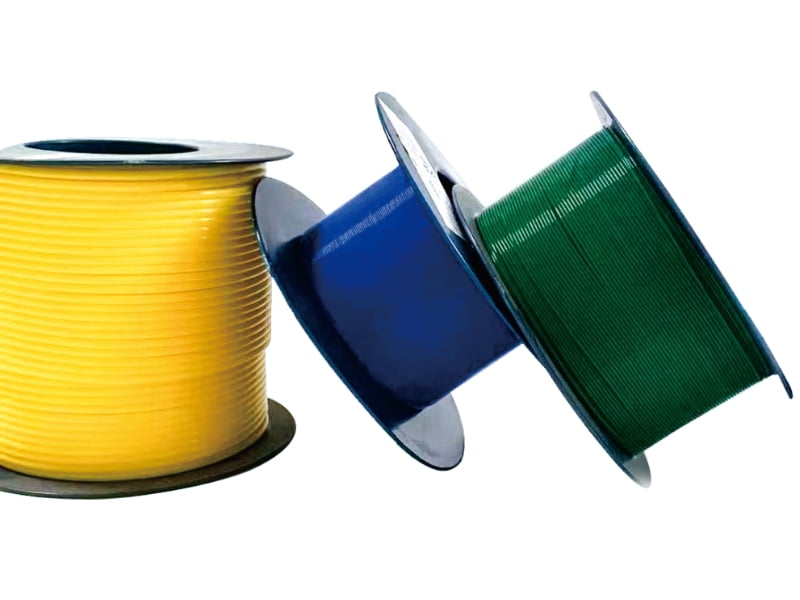
What Is a PTFE TUBE?
A PTFE tube is a tube made from Polytetrafluoroethylene, a high-performance fluoropolymer known for its excellent chemical resistance, non-stick properties, and high-temperature tolerance.
PTFE Tube Full Form
PTFE = Polytetrafluoroethylene
Some buyers also search for:
ptfe tube full form
ptfe pipe full form
what is ptfe tubing
polytetrafluoroethylene tube
PTFE was originally developed by DuPont and is widely recognized under the brand name Teflon.
Key Features of PTFE Tubing
1. Excellent Heat Resistance
PTFE can typically withstand temperatures ranging from:
-200°C to 260°C
This makes it ideal for:
Automotive systems
Industrial manufacturing
Semiconductor equipment
heat shrink PTFE tubes applications
2. Outstanding Chemical Resistance
PTFE tubing resists:
Acids
Alkalis
Solvents
Industrial chemicals
Corrosive liquids
This makes PTFE flexible tube for PCB solution transfer highly useful in electronics manufacturing.
3. Oil Resistance
Many industries prefer oil resistance PTFE tubes because they perform well in environments involving oils, lubricants, and fuels.
Applications include:
Automotive fluid systems
Hydraulic systems
Industrial machinery
4. Excellent Electrical Insulation
PTFE offers outstanding dielectric properties, making it ideal for:
Wire insulation
Cable protection
Electronic components
telecommunications PTFE tubing
telecommunications PTFE tubes
5. Low Friction Surface
PTFE has an extremely smooth surface that reduces material buildup and improves flow efficiency.
What Is the Difference Between PTFE and PVC?
This is one of the most commonly searched questions.
| Feature | PTFE | PVC |
|---|---|---|
| Temperature Resistance | Very High (-200°C to 260°C) | Lower (typically -15°C to 60°C) |
| Chemical Resistance | Excellent | Moderate |
| Flexibility | Moderate | High |
| Cost | Higher | Lower |
| Electrical Insulation | Excellent | Good |
| Durability | Higher | Lower |
Choose PTFE when you need:
High heat resistance
Chemical resistance
Long-term durability
Medical-grade applications
Choose PVC when you need:
Lower cost
Basic fluid transfer
Less demanding environments
PTFE Medical Tubing Applications
PTFE medical tubing is widely used in healthcare because of its purity and biocompatibility.
Common uses include:
Catheters
Surgical devices
Fluid transfer systems
Laboratory equipment
Benefits include:
Non-reactive material
Sterilization resistance
Smooth inner surface
Telecommunications PTFE Tubing Applications
With the rapid growth of communication infrastructure, telecommunications PTFE tubing is becoming increasingly important.
Used in:
Fiber optic protection
Cable insulation
Signal transmission systems
High-frequency communication equipment
The growing demand is helping expand the global PTFE tube market.
PTFE Tube Market Trends
The global PTFE tube market continues to grow due to rising demand from:
Medical industries
EV manufacturing
Electronics
Aerospace
Telecommunications
Chemical processing
Buyers increasingly seek custom PTFE tubing solutions with better durability and performance.
What Are PCTFE Tubes?
Some buyers also search for PCTFE tubes.
PCTFE (Polychlorotrifluoroethylene) differs from PTFE by offering:
Lower gas permeability
Better dimensional stability
Cryogenic applications
However, PTFE remains more widely used for general tubing applications.
What About Heat Shrink PTFE Tubes?
Heat shrink PTFE tubes are used when components require tight insulation coverage.
Common applications:
Wire harness protection
Electronics insulation
Aerospace systems
High-temperature cable protection
Is PTFE Banned in the US?
No—PTFE itself is not banned in the US.
However, certain chemicals once used during PTFE manufacturing (such as PFOA) have faced stricter regulations due to environmental concerns.
Today, most reputable manufacturers produce PTFE products that comply with modern safety standards.
How to Choose the Right PTFE Tube?
When selecting a PTFE tube, consider:
Temperature requirements
Chemical exposure
Flexibility needs
Pressure requirements
Industry certifications
Tube dimensions
Some buyers also require customized accessories such as a durable PTFE bracket for mounting solutions.
Why Choose Our PTFE Tubing Solutions?
We provide high-performance PTFE tubing solutions for global industries.
Our advantages include:
Custom sizes
High purity materials
Excellent oil resistance
Heat resistance
Fast delivery
OEM/ODM support
Strict quality control
Applications include:
Medical
Electronics
Telecommunications
Chemical processing
Industrial manufacturing
FAQ
What is a PTFE tube?
A PTFE tube is a tubing product made from polytetrafluoroethylene, known for heat resistance, chemical resistance, and electrical insulation.
What is PTFE tubing used for?
It is used in medical, industrial, electrical, automotive, and telecommunications industries.
What is the difference between PTFE and PVC?
PTFE offers better heat resistance, chemical resistance, and durability, while PVC is cheaper and more flexible.
Is PTFE banned in the US?
No, PTFE is not banned in the US.
Whether you need PTFE medical tubing, telecommunications PTFE tubes, or industrial-grade polytetrafluoroethylene tube products, PTFE remains one of the most reliable tubing materials available today due to its superior performance in extreme environments.
