


 English

High Temperature Fiberglass Sleeving is a critical insulation material designed for extreme heat environments. Known for its excellent thermal resistance, electrical insulation, and durability, this type of fiberglass sleeve is widely used in industries such as electrical engineering, automotive manufacturing, and heavy machinery.
If you are looking for a reliable heat resistant Fiberglass Sleeving solution for wires, cables, or industrial equipment, understanding its features and applications can help you make the right choice.
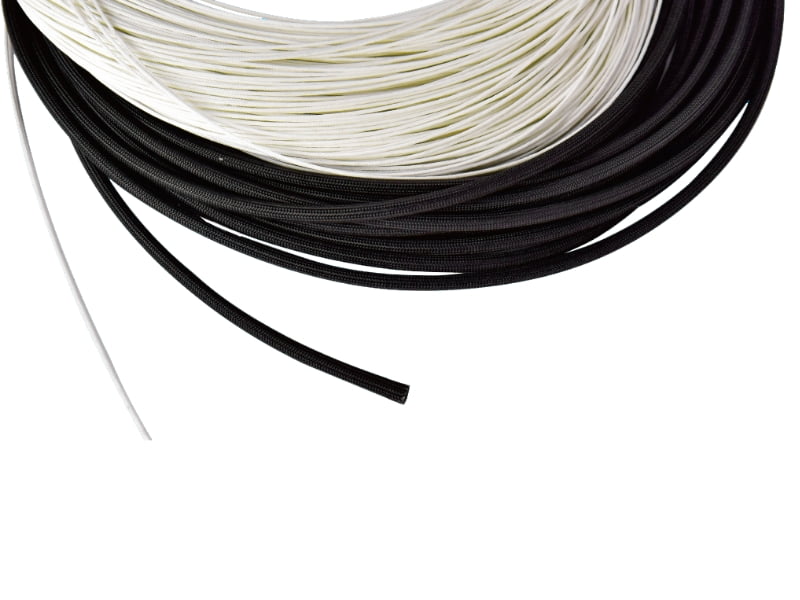
What Is High Temperature Fiberglass Sleeving?
High temperature Fiberglass Sleeving is a tubular insulation material made from braided glass fiber yarns. It is specifically engineered to withstand extreme temperatures while providing strong electrical insulation and mechanical protection.
Compared with standard insulation materials, fiberglass high temperature sleeve solutions can operate continuously in harsh environments without degradation.
Depending on the coating and construction, common types include:
Silicone coated high temperature fiberglass sleeve
Acrylic coated fiberglass sleeving
Braided fiberglass high temperature sleeve
Expandable fiberglass sleeve high temperature
Key Features of High Temperature Fiberglass Sleeving
1. Extreme Heat Resistance
One of the most important advantages is its ability to withstand high temperatures. A typical high temp fiberglass sleeve can handle temperatures from 200°C up to 1000°C (depending on coating and grade), making it ideal for extreme high temperature fiberglass sleeving applications.
2. Excellent Electrical Insulation
High temperature fiberglass sleeve provides outstanding dielectric strength, making it suitable for high voltage insulation sleeve applications such as transformers and motors.
3. Flame Retardant and Fire Resistant
Most flame retardant fiberglass sleeve products are designed to resist ignition and slow down flame spread, improving safety in industrial environments.
4. Durable and Flexible Structure
The braided fiberglass high temperature sleeve offers excellent flexibility, allowing easy installation over cables and irregular shapes while maintaining strong abrasion resistance.
5. Chemical and Environmental Resistance
This type of heat protection fiberglass sleeve resists oil, moisture, and chemicals, ensuring long service life even in demanding conditions.
Common Applications of High Temperature Fiberglass Sleeving
High temperature fiberglass sleeving is widely used in multiple industries where heat protection is essential.
Electrical and Cable Protection
High temperature fiberglass sleeve for wires
Fiberglass sleeving for high temperature cables
High temperature cable protection sleeve
Electrical insulation fiberglass sleeve for transformers
Automotive Industry
Fiberglass sleeve for automotive wiring
Heat resistant fiberglass sleeve for engine compartments
Fire resistant fiberglass sleeving for exhaust systems
Industrial Equipment
Industrial high temperature insulation sleeve
Thermal insulation fiberglass sleeving for machinery
Protection for pipelines and hoses
Types of High Temperature Fiberglass Sleeving
Choosing the right product depends on your application requirements:
| Type | Features | Applications |
|---|---|---|
| Silicone Coated Fiberglass Sleeve | Excellent heat & fire resistance | Automotive & high heat zones |
| Acrylic Coated Fiberglass Sleeving | Strong electrical insulation | Motors & transformers |
| Braided Fiberglass Sleeve | Flexible and durable | Cable protection |
| Expandable Fiberglass Sleeve | Adjustable size | Complex wiring systems |
High Temperature Fiberglass Sleeving vs Other Materials
Understanding the difference helps you select the right insulation:
Fiberglass sleeving vs silicone sleeve: Fiberglass offers higher structural strength and better long-term heat resistance.
Fiberglass sleeving vs PVC sleeve: PVC cannot withstand extreme heat, while high temperature fiberglass sleeving performs reliably.
Fiberglass sleeving vs heat shrink tubing: Fiberglass sleeving is reusable and ideal for continuous high temperature environments.
How to Choose High Temperature Fiberglass Sleeving
When selecting a high temp fiberglass sleeve, consider:
1. Temperature Rating
Ensure the fiberglass sleeve high temperature insulation meets your operating conditions (e.g., 500 degree fiberglass sleeve or 1000 degree fiberglass sleeve).
2. Coating Type
Choose silicone coated fiberglass sleeve for extreme heat or acrylic coated fiberglass sleeving for electrical insulation.
3. Application Requirements
Select based on use, such as fiberglass sleeving for transformers, cables, or automotive wiring.
4. Size and Flexibility
Expandable fiberglass sleeve high temperature options are ideal for complex installations.
5. Supplier Capability
Work with a professional high temperature fiberglass sleeving manufacturer or fiberglass sleeve supplier to ensure product quality and customization.
Why Choose a Professional Manufacturer?
Partnering with a reliable high temperature fiberglass sleeving manufacturer provides:
Custom high temperature fiberglass sleeving solutions
OEM high temp fiberglass sleeve services
Stable bulk supply and fast delivery
Competitive wholesale high temperature fiberglass sleeving pricing
Technical support for industrial applications
Many buyers choose fiberglass sleeve manufacturer China for cost-effective and high-quality production.
High temperature fiberglass sleeving is an essential solution for protecting wires, cables, and equipment in extreme heat environments. With its superior heat resistance, electrical insulation, and durability, it is widely used across electrical, automotive, and industrial sectors.
Whether you need high temperature fiberglass sleeve for wires, industrial insulation, or cable protection, choosing the right product and supplier will ensure long-term performance and safety.
