


 English

Corrugated Pipe is widely used in drainage systems, underground infrastructure, cable protection, and industrial applications. Its distinctive ridged structure provides specific advantages in flexibility, structural performance, and installation, depending on the material and pipe design. But how does corrugated pipe work, and why is it preferred over some traditional smooth pipes?
Understanding how corrugated pipe works can help engineers, contractors, and buyers select the right piping solution for their projects. From HDPE corrugated drainage pipes to flexible metal hoses, different types of Corrugated Pipes are designed to meet different operating requirements.
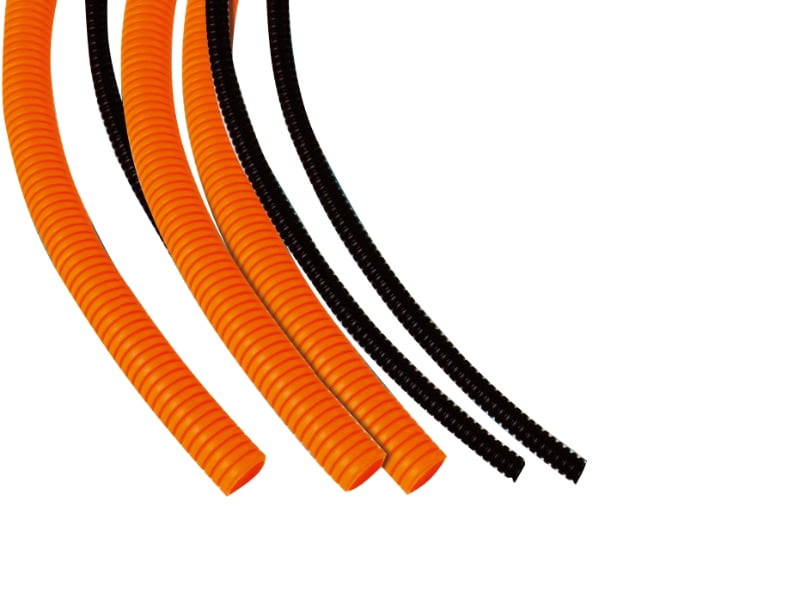
What Is a Corrugated Pipe?
A corrugated pipe is a type of pipe featuring a series of alternating ridges and grooves along its wall. These corrugations change how the pipe responds to bending, external loads, and movement.
Corrugated pipes are manufactured from various materials, including high-density polyethylene (HDPE), polypropylene (PP), PVC, and stainless steel. The material and structural design determine the pipe's strength, flexibility, chemical resistance, and suitable applications.
Common types include:
HDPE corrugated pipe: Commonly used for underground drainage, stormwater management, and infrastructure projects.
Plastic corrugated pipe: Often used for drainage, ventilation, and electrical cable protection.
Stainless steel corrugated pipe: Used in suitable industrial systems that require flexible connections or movement accommodation.
Each type has its own performance characteristics, so selecting the right corrugated pipe depends on the installation environment and intended use.
How Does Corrugated Pipe Work?
The working principle of corrugated pipe depends on its material, wall structure, and application. In general, its corrugated design helps provide structural support, flexibility, or protection.
1. The Corrugated Structure Provides Flexibility
The ridges and grooves allow the pipe wall to deform within its designed limits. This can help flexible corrugated pipes bend around obstacles and fit into confined installation spaces.
Compared with a rigid pipe of a similar material, a flexible corrugated pipe may be easier to route through complex layouts. However, the actual bending radius and flexibility depend on the pipe's dimensions, material, and construction.
2. The Pipe Wall Helps Resist External Loads
For HDPE corrugated drainage pipes, the outer corrugated wall provides structural stiffness to help the pipe withstand external soil loads when properly installed.
Many double-wall HDPE corrugated pipes combine a corrugated exterior with a relatively smooth interior. The outer wall contributes to structural performance, while the inner wall supports efficient water flow.
Proper bedding, backfilling, burial depth, and installation practices are also essential to achieving the required load resistance.
3. The Inner Channel Allows Water to Flow
Corrugated drainage pipes provide a continuous passage for water to move from one location to another. In double-wall designs, the smooth inner surface can help reduce flow resistance compared with a similarly sized pipe with a rougher interior.
Some drainage systems use perforated corrugated pipes to collect groundwater through openings in the pipe wall. Other designs use unperforated pipes to transport stormwater or wastewater between collection points.
The correct pipe type depends on whether the system needs to collect water, convey water, or perform both functions.
4. Metal Corrugated Pipes Accommodate Movement
Stainless steel corrugated pipes work differently from typical underground plastic drainage pipes. Their flexible metal wall can accommodate certain amounts of axial, lateral, or angular movement, depending on the design.
In suitable applications, metal corrugated pipes can also help absorb vibration and accommodate thermal expansion. They are commonly used for equipment connections and other industrial piping applications where movement or flexibility is required.
Not every corrugated pipe is designed for pressure service or movement compensation. Always check the manufacturer's specifications before selecting a pipe for these purposes.
What Are the Main Benefits of Corrugated Pipe?
Corrugated pipes offer several advantages when selected for the right application.
Structural Performance: Corrugated wall designs can provide useful stiffness and load resistance, particularly in underground drainage applications.
Installation Flexibility: Flexible corrugated pipes can adapt to certain site layouts and may reduce the need for multiple directional fittings.
Efficient Drainage: Double-wall corrugated drainage pipes often feature a smooth interior that supports water conveyance.
Material Options: Plastic and metal corrugated pipes are available for different environmental, mechanical, and operating requirements.
Versatile Applications: Depending on the design, corrugated pipes can be used for stormwater drainage, agricultural drainage, cable protection, and industrial connections.
The benefits of any specific product should be evaluated against its material, dimensions, pressure rating, stiffness class, and applicable standards.
Common Applications of Corrugated Pipe
Drainage and Stormwater Management
HDPE corrugated pipes are widely used in underground drainage networks, road construction, stormwater management, and municipal infrastructure. Their structural design makes them suitable for many buried applications when installed according to project requirements.
Agricultural Drainage
Corrugated drainage pipes can help remove excess groundwater from agricultural land. Perforated designs allow water to enter through the pipe wall and flow toward a designated drainage outlet.
Electrical Cable Protection
Plastic corrugated conduit protects electrical wires and cables in buildings, industrial facilities, and other installations. Its flexibility can make routing around corners and obstacles easier.
Industrial Piping Systems
Stainless steel corrugated pipes can be used for flexible equipment connections and applications requiring movement accommodation. Material compatibility, operating temperature, pressure, and the conveyed medium must be considered before use.
Corrugated Pipe vs. Smooth Pipe: What Is the Difference?
Corrugated pipes and smooth pipes serve overlapping but different purposes.
| Feature | Corrugated Pipe | Smooth Pipe |
|---|---|---|
| Wall structure | Ridges and grooves | Relatively smooth wall |
| Flexibility | Often flexible in designs intended for bending | Depends on material and pipe construction |
| External load resistance | Corrugated designs can provide structural stiffness | Depends on wall thickness and material |
| Water flow | Depends on the inner surface and pipe design | Smooth interiors can support efficient flow |
| Common applications | Drainage, cable protection, selected flexible connections | Water supply, drainage, and many pressure piping systems |
Neither option is universally better. The right choice depends on the required flow capacity, installation conditions, external loads, pressure requirements, and project budget.
How to Choose the Right Corrugated Pipe
Before purchasing corrugated pipe, consider the following factors:
Material: Choose HDPE, PP, PVC, stainless steel, or another suitable material based on the application.
Pipe diameter: Confirm the required internal and external dimensions and connection compatibility.
Wall structure: Determine whether a single-wall, double-wall, or specialized corrugated design is appropriate.
Load requirements: For buried pipes, consider soil conditions, burial depth, traffic loads, and the specified stiffness class.
Operating conditions: Check pressure, temperature, chemical compatibility, and environmental exposure where relevant.
Applicable standards: Confirm that the product meets the technical requirements and standards for the intended project.
Working with an experienced Corrugated Pipe Manufacturer can help buyers identify the right product specifications and avoid compatibility issues during installation.
Frequently Asked Questions
How does corrugated pipe work underground?
Underground corrugated drainage pipe transports water through its internal channel. Its corrugated exterior helps provide structural stiffness, while proper bedding and backfilling help distribute surrounding soil loads and support pipe performance.
Is corrugated pipe better than smooth pipe?
It depends on the application. Corrugated pipe can offer advantages in structural design, flexibility, and underground drainage. Smooth pipe may be more suitable for applications requiring specific pressure ratings or a consistently smooth internal surface.
Does corrugated pipe restrict water flow?
The effect on water flow depends on the pipe's internal surface, diameter, slope, and design. Double-wall corrugated drainage pipes typically have a relatively smooth interior to support efficient flow. Single-wall corrugated pipes with ridges inside may create greater flow resistance under comparable conditions.
What is HDPE corrugated pipe used for?
HDPE corrugated pipe is commonly used for underground drainage, stormwater management, agricultural drainage, and infrastructure projects. The suitability of a particular pipe depends on its structure, stiffness rating, dimensions, and applicable installation standards.
How long does corrugated pipe last?
The service life varies according to the material, product quality, installation conditions, environmental exposure, and operating requirements. Buyers should consult the manufacturer's technical documentation for expected service life and maintenance recommendations.
Choose a Corrugated Pipe Solution for Your Project
Selecting the right corrugated pipe starts with understanding how its structure works and what the application requires. Whether your project involves underground drainage, stormwater management, cable protection, or industrial connections, the appropriate material and design can help improve installation efficiency and long-term performance.
As a corrugated pipe manufacturer or supplier, providing clear technical specifications, product dimensions, material information, and application guidance helps customers make informed purchasing decisions. Contact our team to discuss your project requirements and find a suitable corrugated pipe solution.
