


 English

Heat Shrinkable Tube is widely used for electrical insulation, wire protection, cable bundling, and component protection in industrial and electronic applications. When exposed to the appropriate heat, the tube shrinks to fit tightly around wires, connectors, or other components, providing a protective layer against abrasion, moisture, and environmental exposure, depending on the material and product design.
Knowing how to use Heat Shrinkable Tube correctly is essential for achieving a secure fit and reliable performance. From selecting the right tubing size to applying heat evenly, each step affects the final result. Different applications may also require specialized materials, such as PTFE heat shrinkable tubing, silicone rubber heat shrinkable tube, or PVDF heat shrinkable tubing, to meet specific temperature, chemical resistance, and insulation requirements.
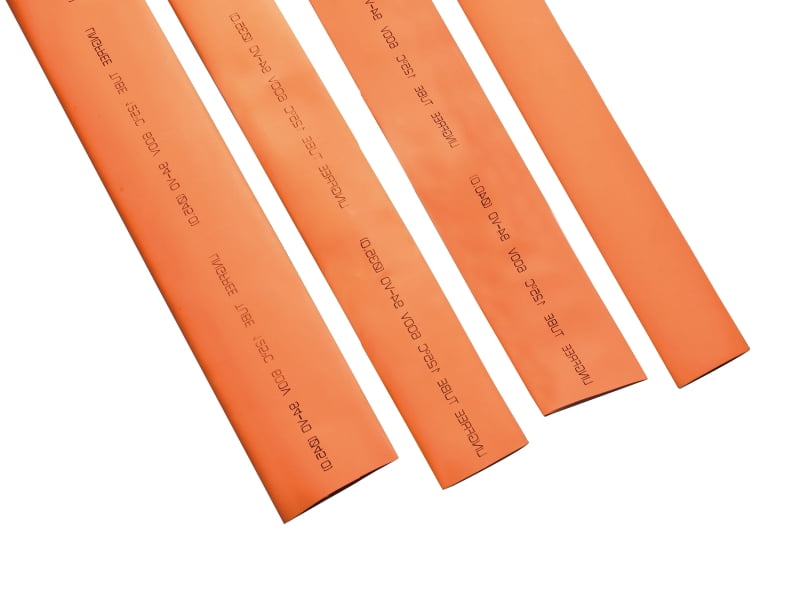
What Is Heat Shrinkable Tube?
Heat shrinkable tube is a polymer tube designed to shrink when heated. Many heat shrink products are manufactured through extrusion and radiation crosslinking, followed by expansion to create a recoverable tube structure. When reheated, the material returns toward its original dimensions.
Common applications include electrical insulation, cable identification, wire harness protection, connector sealing, and mechanical abrasion protection. Depending on the material, heat shrinkable tubing can also provide resistance to chemicals, oils, elevated temperatures, and other challenging operating conditions.
Different types of heat shrink tubing are designed for different purposes. Choosing the right material and shrink ratio is important for ensuring proper installation and long-term performance.
How to Use Heat Shrinkable Tube Step by Step
Step 1: Choose the Right Heat Shrinkable Tube
Before installation, select heat shrinkable tube according to the diameter of the component, required shrink ratio, operating temperature, and application environment.
The tubing should have an expanded inner diameter large enough to slide over the component. After shrinking, its recovered inner diameter must fit the covered area appropriately. Also consider wall thickness, flexibility, dielectric properties, chemical exposure, and whether adhesive lining is required.
For applications involving high temperatures or aggressive chemicals, specialized tubing may be more suitable than standard polyolefin heat shrink tubing.
Step 2: Measure and Cut the Tube
Measure the length of the area that needs protection and cut the tubing with a sharp cutting tool. Allow sufficient coverage beyond the connection or exposed section when the application requires it.
Make clean, straight cuts to reduce the risk of uneven recovery or damage during installation. Before cutting, check whether the tubing needs to cover connectors, joints, or additional strain-relief areas.
Step 3: Position the Tubing
Slide the heat shrinkable tube over the wire, cable, connector, or component before completing any connection that would prevent it from being installed.
Position the tubing so it covers the intended area evenly. For electrical wire splices, ensure the connection has been completed correctly and is suitable for the intended insulation method before shrinking the tube.
If adhesive-lined tubing is used, make sure the overlap and positioning follow the manufacturer's installation instructions.
Step 4: Apply Heat Evenly
Use a suitable heat gun or other manufacturer-approved heating equipment to shrink the tube. Keep the heat source moving and rotate the component where practical to distribute heat evenly around the circumference.
Begin heating from one end and work gradually toward the other, allowing the tubing to recover without trapping excessive air. Maintain an appropriate distance between the heat source and the tubing.
Avoid open flames unless the product manufacturer explicitly permits the method and appropriate safety controls are in place. Excessive heat can cause scorching, deformation, cracking, or damage to the wire insulation and surrounding components.
Always follow the specified recovery temperature rather than assuming that every heat shrinkable tube requires the same temperature.
Step 5: Allow the Tube to Cool and Inspect
After the tube has fully recovered, allow it to cool naturally before handling or applying mechanical stress.
Inspect the installation for wrinkles, gaps, scorching, splitting, or loose sections. The tube should fit as intended without damaging the component underneath. For adhesive-lined tubing, check for the expected adhesive flow and sealing coverage in accordance with the product specifications.
If the tubing does not shrink sufficiently, verify the heating temperature, product shrink ratio, and compatibility between the tube size and the component diameter.
Different Types of Heat Shrinkable Tube and Their Applications
Selecting the correct material is just as important as understanding how to use heat shrinkable tube. Different polymer formulations offer different combinations of flexibility, temperature resistance, chemical resistance, wall thickness, and electrical properties.
Ultra Thin Heat Shrinkable Tube
Ultra Thin Heat Shrinkable Tube is designed for applications where minimal wall thickness and space-saving protection are important. Its thin profile can help reduce bulk in compact electronic assemblies, precision components, and small wire harnesses.
This type of tubing may be suitable for delicate components where a thicker protective layer would interfere with assembly or increase the overall diameter. When using ultra-thin tubing, control the heating process carefully to avoid damaging the tube or underlying component.
New Energy Heat Shrinkable Tube
New Energy Heat Shrinkable Tube is used in selected new energy applications, including battery systems, power cables, electrical connections, and energy storage equipment.
Depending on its design and certification, this tubing can provide electrical insulation, abrasion protection, and additional environmental protection. Product selection should consider voltage requirements, operating temperature, flame-retardancy requirements, chemical exposure, and compatibility with the battery or power system.
Not every heat shrinkable tube is suitable for high-voltage or battery applications. Always verify the product's technical specifications and applicable safety standards before installation.
PTFE Heat Shrinkable Tubing
PTFE Heat Shrinkable Tubing is valued for its excellent chemical resistance, low coefficient of friction, and ability to perform in demanding temperature environments within the specified limits of the product.
It is commonly considered for specialized applications in chemical processing, electronics, medical equipment, and industrial instrumentation. PTFE tubing generally requires a different installation temperature and process from conventional polyolefin tubing.
Before use, confirm the manufacturer's recovery temperature, dimensional recovery characteristics, and compatibility with the components being protected.
Silicone Rubber Heat Shrinkable Tube
Silicone Rubber Heat Shrinkable Tube is designed for applications requiring flexibility and temperature resistance. Silicone materials can maintain useful flexibility across a broad temperature range, depending on the specific formulation.
Potential applications include electrical components, industrial equipment, and specialized wire protection systems exposed to temperature changes or repeated movement.
Because silicone-based products can differ significantly in construction and recovery behavior, check whether the specific product is genuinely heat-recoverable and follow its recommended installation procedure.
Fluororubber Heat Shrinkable Tube
Fluororubber Heat Shrinkable Tube is intended for demanding environments where resistance to oils, fuels, chemicals, or elevated temperatures may be important.
It may be considered for automotive systems, industrial machinery, and specialized electrical assemblies. Actual resistance varies by formulation and the chemicals involved, so compatibility should be confirmed using the manufacturer's technical data.
During installation, use the specified heating conditions and avoid exposing adjacent materials to unnecessary heat.
PVDF Heat Shrinkable Tubing
PVDF Heat Shrinkable Tubing is used in applications that require a combination of mechanical strength, abrasion resistance, and chemical resistance. Depending on the formulation, it may also provide useful performance at elevated operating temperatures.
Typical application areas include wire harnesses, electronic components, industrial equipment, and selected chemical-processing environments.
When selecting PVDF heat shrinkable tubing, evaluate the required recovered diameter, wall thickness, operating temperature, and chemical exposure. The installation temperature must be based on the specific product's technical specifications.
How to Choose the Correct Heat Shrink Tubing Size
Correct sizing helps the tube slide over the component and recover to a suitable fit.
Three factors are particularly important:
Expanded inner diameter: The tubing must fit over the largest section of the component before heating.
Recovered inner diameter: The fully recovered tube must fit around the component without excessive looseness.
Shrink ratio: Common shrink ratios include 2:1, 3:1, and 4:1, although availability varies by product and material. A higher shrink ratio can accommodate a greater difference between the installation diameter and final covered diameter.
For example, if a component has a diameter of 6 mm and the tubing must slide over a 10 mm connector, select tubing with an expanded inner diameter greater than 10 mm and a recovered inner diameter suitable for the 6 mm section. The actual selection should account for tolerances, wall thickness, and the manufacturer's specifications.
Common Mistakes When Using Heat Shrinkable Tube
Using the Wrong Tube Size
Tubing that is too small may not fit over the component, while tubing that is too large may not recover tightly enough. Measure the largest installation diameter and the final covered diameter before choosing the product.
Applying Too Much Heat
Excessive heat can damage the tubing, wire insulation, connectors, or nearby materials. Use a controlled heat source and follow the recommended recovery temperature.
Heating Only One Side
Uneven heating can cause incomplete shrinking, wrinkles, and inconsistent coverage. Keep the heat source moving and distribute heat around the entire tube.
Ignoring Material Compatibility
Standard polyolefin tubing, PTFE heat shrinkable tubing, silicone rubber heat shrinkable tube, and PVDF heat shrinkable tubing have different properties and processing requirements. Never assume that one installation temperature or heating method works for every material.
Skipping the Final Inspection
A tube that appears to have shrunk may still contain gaps, damage, or insufficient coverage. Inspect the finished installation before putting the component into service.
Frequently Asked Questions
What tool should I use to shrink heat shrinkable tube?
A heat gun is commonly used because it provides controlled, distributed heat. The appropriate heating equipment depends on the tubing material, dimensions, recovery temperature, and installation environment.
Can I use a lighter to shrink heat shrinkable tubing?
A lighter produces an open flame and can create localized overheating, scorching, or damage to the underlying wire. A suitable heat gun is generally the safer and more controllable option. Follow the manufacturer's instructions for the specific tubing.
What temperature is needed to shrink heat shrinkable tube?
The required temperature varies by material and product construction. Standard polyolefin products may shrink at substantially lower temperatures than some specialized fluoropolymer products. Check both the recovery temperature and the maximum permissible temperature for the component being covered.
Can heat shrinkable tube provide waterproof protection?
Some heat shrinkable tubes, particularly adhesive-lined products, can provide moisture-resistant or waterproof sealing when correctly selected and installed. Standard thin-wall tubing should not automatically be considered waterproof. Verify the product's sealing specifications and intended application.
How do I select heat shrinkable tubing for high-temperature applications?
Start with the maximum continuous operating temperature and any short-term temperature peaks. Then evaluate chemical exposure, flexibility, electrical requirements, and recovery temperature. PTFE Heat Shrinkable Tubing, Silicone Rubber Heat Shrinkable Tube, Fluororubber Heat Shrinkable Tube, and PVDF Heat Shrinkable Tubing may be options, depending on the specific application and product specifications.
Learning how to use heat shrinkable tube involves choosing the right material and size, positioning the tube correctly, applying controlled heat, and inspecting the finished installation. These steps help improve coverage, insulation reliability, and overall protection.
From Ultra Thin Heat Shrinkable Tube for compact assemblies to New Energy Heat Shrinkable Tube for selected power applications, specialized tubing products serve different industrial requirements. PTFE, silicone rubber, fluororubber, and PVDF heat shrinkable tubing each offer distinct material characteristics.
By matching the tubing to the operating environment and following the manufacturer's installation instructions, manufacturers and technicians can achieve more reliable results across electrical, electronic, automotive, and industrial applications.
