


 English

PTFE Tubing is a high-performance plastic tube made from Polytetrafluoroethylene (PTFE), a fluoropolymer widely recognized for its exceptional chemical resistance, high-temperature stability, and low coefficient of friction. Commonly referred to as Teflon tubing, PTFE tubing is used across industries such as chemical processing, medical devices, food production, electronics, automotive, and aerospace.
Thanks to its unique properties, PTFE tubing can safely transport corrosive chemicals, high-purity fluids, gases, and other demanding media while maintaining excellent durability and performance. Whether you need flexible PTFE tubing for fluid transfer or precision tubing for industrial equipment, PTFE offers a reliable solution for harsh operating environments.
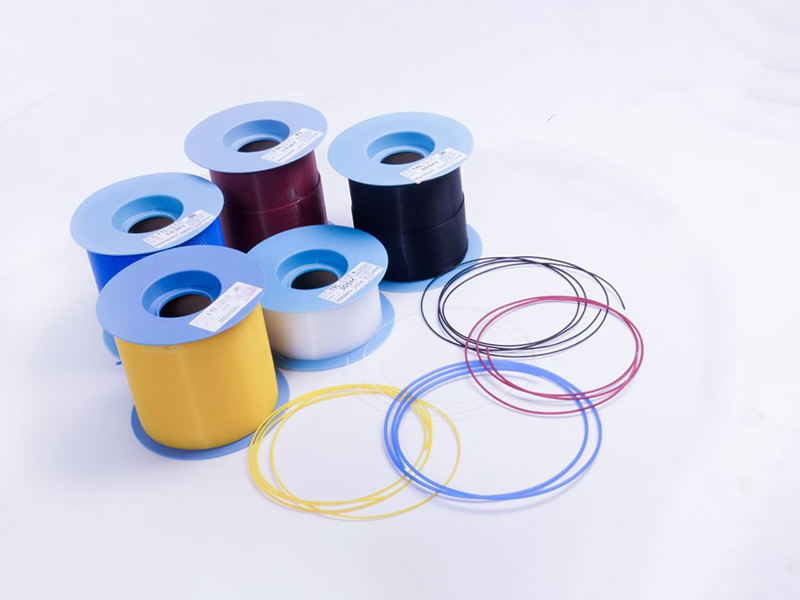
What Is PTFE Tubing?
PTFE tubing is a hollow tube manufactured from Polytetrafluoroethylene (PTFE), a synthetic fluoropolymer known for its outstanding physical and chemical properties.
Unlike ordinary plastic tubing, PTFE TUBE can withstand extreme temperatures, aggressive chemicals, and continuous mechanical stress without degrading. Its non-stick surface and excellent electrical insulation also make it a preferred material for precision applications.
PTFE tubing is available in various sizes, wall thicknesses, and configurations to meet different industrial requirements.
What Is PTFE Made Of?
Polytetrafluoroethylene Material
PTFE is produced by polymerizing tetrafluoroethylene (TFE) monomers, creating a highly stable molecular structure with strong carbon-fluorine bonds.
This unique structure gives Polytetrafluoroethylene tubing several exceptional characteristics, including:
Excellent chemical resistance
High thermal stability
Low friction coefficient
Superior electrical insulation
Outstanding weather resistance
Long service life
These properties make PTFE one of the most widely used engineering plastics in demanding industrial applications.
Key Properties of PTFE Tubing
Excellent Chemical Resistance
One of the biggest advantages of chemical resistant tubing made from PTFE is its ability to resist almost all acids, alkalis, solvents, and corrosive chemicals.
This makes PTFE tubing ideal for transporting aggressive liquids in chemical plants and laboratories.
High Temperature Resistance
High temperature PTFE tubing performs reliably across a wide operating temperature range of approximately -200°C to +260°C.
It maintains its mechanical properties even under continuous exposure to extreme heat or cold.
Low Friction Surface
PTFE has one of the lowest coefficients of friction among solid materials.
The smooth internal surface reduces flow resistance, minimizes material buildup, and improves fluid transfer efficiency.
Excellent Electrical Insulation
Because PTFE is an outstanding electrical insulator, it is widely used for wire insulation, cable protection, and electronic components.
Non-Stick Performance
The non-stick surface prevents materials from adhering to the tubing, making cleaning and maintenance much easier.
Types of PTFE Tubing
Different applications require different types of PTFE tubing.
Flexible PTFE Tubing
Flexible PTFE tubing is designed for applications requiring bending and routing through complex systems while maintaining excellent chemical resistance.
Virgin PTFE TUBE
Manufactured from 100% virgin PTFE resin, this type offers maximum purity and is commonly used in pharmaceutical, medical, and food-grade applications.
Thin Wall PTFE TUBE
Thin wall tubing provides excellent flexibility while reducing weight, making it suitable for compact equipment and precision instruments.
Thick Wall PTFE Tube
Thicker walls provide increased pressure resistance and durability for heavy-duty industrial applications.
PTFE Heat Shrink Tubing
Heat shrink PTFE tubing is commonly used for insulating electrical components and protecting sensitive equipment from harsh environments.
Advantages of PTFE Tubing
Outstanding Corrosion Resistance
PTFE tubing performs exceptionally well in highly corrosive environments where ordinary plastic or rubber tubing would quickly deteriorate.
Long Service Life
Due to its resistance to wear, chemicals, UV exposure, and aging, PTFE tubing typically lasts much longer than conventional tubing materials.
High Purity
Virgin PTFE does not contaminate transported fluids, making it suitable for medical, laboratory, and semiconductor industries.
Wide Temperature Range
PTFE tubing remains stable under both extremely low and high temperatures, making it suitable for demanding industrial processes.
Excellent Mechanical Stability
Despite being lightweight, PTFE tubing maintains excellent dimensional stability during long-term operation.
Common Applications of PTFE Tubing
Chemical Processing
PTFE tubing is widely used for transporting corrosive chemicals, acids, solvents, and industrial fluids.
Medical Devices
Medical-grade PTFE tubing is commonly used in catheters, surgical equipment, and diagnostic instruments because of its biocompatibility and smooth surface.
Food and Beverage Industry
The non-toxic and non-stick characteristics of PTFE plastic tube make it suitable for food processing equipment and beverage production lines.
Electronics and Electrical Industry
PTFE provides outstanding insulation performance for cables, sensors, connectors, and electronic assemblies.
Automotive Industry
Automotive manufacturers use PTFE hose for fuel systems, brake systems, hydraulic lines, and high-temperature fluid transfer.
Aerospace Industry
The aerospace sector relies on PTFE tubing because of its lightweight construction, chemical resistance, and ability to withstand extreme operating conditions.
PTFE Tubing vs Other Plastic Tubing
When compared with other plastic tubing materials, PTFE offers several significant advantages.
| Feature | PTFE Tubing | PVC Tubing | Silicone Tubing |
|---|---|---|---|
| Chemical Resistance | Excellent | Moderate | Good |
| Temperature Range | -200°C to +260°C | Limited | Moderate |
| Friction Coefficient | Very Low | Medium | Medium |
| Electrical Insulation | Excellent | Good | Good |
| Service Life | Long | Moderate | Moderate |
Although PTFE tubing generally has a higher initial cost, its long service life and superior performance often make it the most cost-effective choice for demanding applications.
How to Choose the Right PTFE Tubing
Determine the Operating Temperature
Choose tubing that can safely withstand your system's maximum and minimum operating temperatures.
Evaluate Chemical Compatibility
Ensure the PTFE tube is compatible with the chemicals or fluids being transported.
Select the Correct Size
Consider inner diameter, outer diameter, wall thickness, and pressure requirements before selecting tubing.
Choose a Reliable PTFE Tubing Manufacturer
Working with an experienced PTFE tubing manufacturer ensures consistent quality, precise dimensions, and reliable technical support.
