


 English

In modern industrial systems, protecting cables and hoses is critical for ensuring safety, durability, and stable equipment performance. From electrical installations and hydraulic systems to automotive manufacturing and renewable energy equipment, rubber sleeves play an important role in shielding sensitive components from heat, abrasion, moisture, and mechanical damage.
As industries continue moving toward smarter and more compact equipment designs, the demand for reliable rubber Protective Sleeves is growing rapidly. Today, manufacturers are increasingly choosing advanced insulation and protection materials to improve equipment lifespan and reduce maintenance costs.
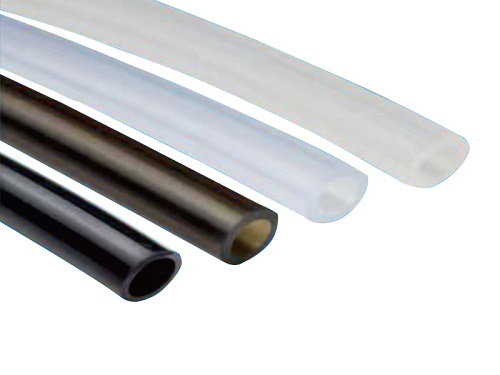
What Is a Rubber Sleeve?
A rubber sleeve is a flexible protective covering designed to insulate and protect cables, hoses, wires, and mechanical components. Depending on the application, these sleeves can provide electrical insulation, thermal protection, abrasion resistance, and environmental sealing.
Modern Silicone Rubber Sleeves are especially popular because of their excellent flexibility, heat resistance, and long-term durability. Compared with traditional plastic tubing, rubber-based protection sleeves perform better in harsh industrial environments where high temperatures and vibration are common.
Main Functions and Benefits
The primary purpose of industrial rubber sleeves is to protect critical components from external damage while improving system reliability.
Key benefits include:
Excellent electrical insulation
Heat and flame resistance
Abrasion and wear protection
Waterproof and dustproof performance
Flexible installation in tight spaces
Resistance to chemicals and aging
For high-temperature applications, heat resistant rubber sleeves help prevent cable overheating and insulation failure. In hydraulic systems, rubber hose protection sleeves reduce hose wear caused by friction and vibration, extending operational lifespan.
Many modern flame retardant rubber sleeves also help improve workplace safety by reducing fire risks in electrical and industrial systems.
Applications Across Industries
The versatility of flexible rubber sleeves makes them suitable for a wide range of industries and applications.
They are commonly used in:
Electrical wiring protection
Hydraulic hose systems
Automotive cable assemblies
Industrial machinery
EV battery systems
Renewable energy equipment
Construction machinery
Power distribution systems
In electric vehicle manufacturing, electrical rubber insulation sleeves are increasingly used to protect high-voltage cables and battery connections. Meanwhile, renewable energy systems rely on durable insulation materials to maintain stable power transmission in outdoor environments.
Why Silicone Rubber Sleeves Are Popular
Among various materials, silicone insulation sleeves have become one of the most widely used solutions in industrial protection systems. Silicone offers excellent thermal stability and flexibility even under extreme temperatures.
Compared with PVC or ordinary plastic tubing, Silicone Rubber Sleeves can maintain performance in environments involving continuous heat exposure, UV radiation, or aggressive chemicals.
This makes them ideal for applications requiring long-term reliability and minimal maintenance.
FAQ
What is the purpose of a rubber sleeve?
A rubber sleeve protects cables, hoses, and wires from heat, abrasion, moisture, and environmental damage while improving safety and durability.
Are silicone rubber sleeves heat resistant?
Yes. Silicone rubber sleeves are widely known for their excellent high-temperature resistance and thermal insulation properties.
Where are rubber sleeves commonly used?
They are used in electrical systems, automotive wiring, hydraulic equipment, industrial machinery, renewable energy systems, and EV battery applications.
What is the difference between rubber sleeves and heat shrink tubing?
Rubber sleeves provide flexible mechanical and thermal protection, while heat shrink tubing mainly creates tight insulation coverage after heating.
