


 English

Rubber sleeves are widely used protective parts in modern industrial systems. They are designed to improve safety, make equipment last longer, and keep operations stable. They are simple but very effective protective covers. They are often used on cables, pipes, hydraulic hoses, and mechanical parts in many industries. Their main job is to provide insulation, protection, and mechanical shielding in tough environments. These environments include heat, friction, moisture, and chemicals that can damage equipment.
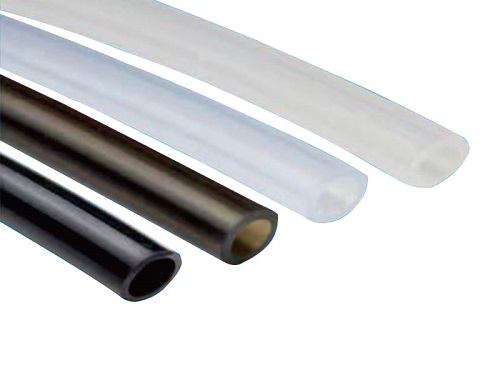
Key Functions of Rubber Sleeves
One of the primary roles of rubber sleeves is electrical insulation.In electrical systems,they help prevent accidental contact with live components,significantly reducing the risk of short circuits and electrical hazards.This makes them essential in power distribution,wiring harnesses,and industrial control systems.
In mechanical and hydraulic applications,rubber sleeves act as a protective barrier against abrasion,vibration,and impact.By covering exposed parts,they reduce wear and tear,minimize maintenance needs,and help ensure stable long-term performance.They also provide sealing support in some systems,preventing dust,moisture,and contaminants from entering sensitive areas.
In mechanical and hydraulic applications, rubber sleeves act as a protective barrier against abrasion, vibration, and impact. By covering exposed parts, they reduce wear and tear, minimize maintenance needs, and help ensure stable long-term performance. They also provide sealing support in some systems, preventing dust, moisture, and contaminants from entering sensitive areas.
Main Features of Rubber Sleeves
Rubber sleeves are valued for their combination of flexibility and durability. Key characteristics include:
Excellent elasticity and flexibility for easy installation
Strong resistance to abrasion and mechanical stress
High insulation performance for electrical safety
Resistance to temperature variations and environmental exposure
Long service life with minimal maintenance requirements
Depending on material selection, rubber sleeves can also offer specialized properties such as flame resistance, chemical resistance, or UV protection.
Types of Rubber Sleeves
Different materials are used to meet specific industrial demands:
Silicone Rubber Sleeves perform exceptionally well in high-temperature environments. They maintain flexibility even under extreme heat, making them suitable for electronics, automotive engines, and industrial heating systems.
EPDM Rubber Sleeves
EPDM rubber sleeves are widely used in outdoor applications due to their strong resistance to UV radiation, ozone, and weathering. They are ideal for construction, automotive sealing systems, and exterior cable protection.
Custom Rubber Sleeves
For specialized requirements, custom rubber sleeves can be manufactured in specific sizes, colors, hardness levels, and material formulations. These tailored solutions ensure perfect compatibility with complex systems such as hydraulic machinery, precision equipment, and industrial automation lines.
Application Areas
Rubber sleeves are used across a broad range of industries, including:
Electrical and electronics industry for cable insulation and protection
Automotive industry for wiring harnesses and hose protection
Hydraulic systems for protecting high-pressure hoses
Industrial machinery for vibration and wear resistance
Construction equipment for environmental and mechanical protection
Aerospace and transportation systems requiring lightweight insulation solutions
Their versatility makes them an essential component in both heavy-duty industrial environments and precision engineering applications.
Maintenance and Service Life
Proper maintenance of rubber sleeves is simple but important. Regular inspection helps detect early signs of cracking, hardening, or wear, especially in high-temperature or high-stress environments. Replacing damaged sleeves in time can prevent system failures and reduce downtime. Choosing high-quality materials and the correct type of sleeve significantly extends service life and improves operational efficiency.
Rubber sleeves play a critical role in protecting industrial systems from electrical, mechanical, and environmental risks. Whether using Silicone Rubber Sleeves for heat resistance, EPDM rubber sleeves for outdoor durability, or custom rubber sleeves for specialized applications, selecting the right solution ensures long-term performance, safety, and reliability. As industries continue to demand higher efficiency and durability, rubber sleeves remain a fundamental and cost-effective protective component.
