


 English

When selecting fluid transfer materials for demanding applications,many buyers ask:how much pressure can PTFE pipe handle?The answer depends on several factors,including wall thickness,diameter,operating temperature,and installation conditions.In general,PTFE pipe is known for its outstanding chemical resistance,wide temperature tolerance,and reliable performance in corrosive or high-purity environments.
A high-quality PTFE pipe can handle substantial pressure under the right conditions,but pressure capacity usually decreases as temperature rises.This is why engineers often evaluate both working pressure and service temperature before choosing a solution.Compared with many common plastics,PTFE Tubing offers a unique combination of low friction,non-stick surface properties,and resistance to aggressive chemicals.
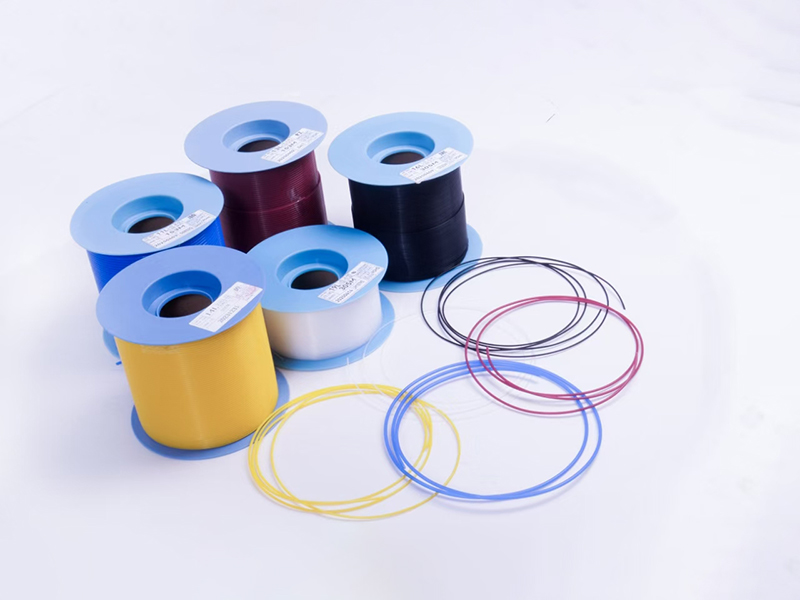
In many industrial systems,PTFE TUBE products are used for transferring acids,solvents,gases,and sensitive fluids.Their smooth inner wall helps maintain flow efficiency while reducing contamination risk.For applications that require more flexibility,a PTFE hose may be preferred,especially when vibration,movement,or routing complexity is involved.
Another key point is that the pressure rating of Ptfe Tubing is not universal.Smaller diameters with thicker walls usually withstand higher pressure than large thin-wall designs.Proper fittings,correct bending radius,and safe operating margins also play an important role in the long-term reliability of a PTFE TUBE assembly.
Whether you need rigid PTFE pipe for chemical transport or a flexible PTFE hose for dynamic systems,choosing the right specification is essential.A trusted supplier can help match the correct PTFE tubing solution to your pressure,temperature,and media requirements,ensuring safe and durable performance.
