


 English

PTFE Teflon tubes are widely used in industrial, chemical, medical, and electronic applications due to their exceptional resistance to heat, chemicals, and corrosion. Made from polytetrafluoroethylene (PTFE), these tubes offer outstanding durability and reliability in demanding environments. Because of their unique properties, PTFE Tubing and Teflon tubes have become essential components in fluid transfer systems, laboratory equipment, and high-temperature industrial processes.
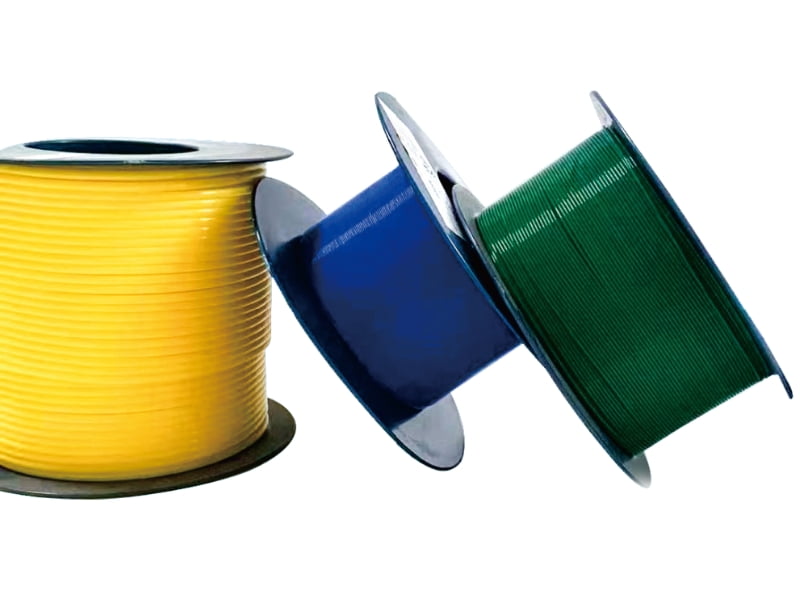
What Is a PTFE Teflon Tube?
A PTFE TUBE, also known as Teflon tubing, is a flexible or rigid tube made from polytetrafluoroethylene, a high-performance fluoropolymer known for its chemical resistance and non-stick properties. Because PTFE is extremely stable under extreme temperatures and aggressive chemicals, PTFE tubing is commonly used in industries that require reliable and long-lasting tubing solutions.
Typical forms include:
PTFE tubing for fluid and gas transfer
Teflon hose for high-pressure industrial systems
PTFE pipe for chemical processing
Flexible PTFE tubing for tight installation spaces
These products are available in various diameters, wall thicknesses, and lengths to meet specific application requirements.
Key Properties of PTFE Tubing
1. High Temperature Resistance
One of the most significant advantages of PTFE Teflon tubes is their ability to withstand extremely high temperatures. Heat resistant PTFE tubing can operate continuously at temperatures up to 260°C (500°F), making it ideal for demanding industrial environments.
2. Chemical Resistance
Chemical resistant PTFE tubing can handle a wide range of aggressive chemicals, including acids, solvents, and corrosive liquids. This makes PTFE TUBEs suitable for chemical processing and laboratory applications.
3. Low Friction and Non-Stick Surface
Non-stick PTFE tubing has a very low coefficient of friction, allowing liquids and gases to flow smoothly through the tube. This property also prevents residue buildup inside the tube.
4. Corrosion Resistance
Unlike metal tubing, corrosion resistant PTFE tubes are not affected by moisture or harsh chemical environments. This increases their lifespan and reduces maintenance costs.
5. Electrical Insulation
PTFE is an excellent electrical insulator, which makes PTFE tubing suitable for protecting wires and cables in electronic and electrical systems.
Types of PTFE Teflon Tubing
Flexible PTFE Tubing
Flexible PTFE tubing is designed for applications where tight bends and movement are required. It is commonly used in fluid transfer systems and equipment connections.
High Purity PTFE Tubing
High purity PTFE tubing is used in industries such as pharmaceuticals and semiconductor manufacturing, where contamination must be minimized.
Transparent PTFE Tube
A transparent PTFE tube allows operators to visually monitor fluid flow, making it useful in laboratory and medical equipment.
Industrial PTFE Hose
PTFE hoses are reinforced versions of PTFE tubing designed for high-pressure industrial applications.
Applications of PTFE Tubing
Due to its outstanding properties, PTFE Teflon tubing is widely used in various industries.
Chemical Processing Industry
PTFE tubing for chemical processing is ideal for transporting corrosive chemicals safely.
Pharmaceutical and Medical Industry
PTFE tubes for medical equipment are widely used because of their chemical inertness and high purity.
Food and Beverage Industry
Because PTFE is non-reactive and easy to clean, PTFE tubing for food processing equipment is often used in hygienic fluid systems.
Electronics Industry
PTFE tubing for electronics provides insulation and protection for sensitive wires and cables.
Automotive and Aerospace Industry
In automotive and aerospace systems, high temperature PTFE tubes are used for fuel lines, hydraulic systems, and fluid transfer applications.
Laboratory Equipment
PTFE tubes for laboratory use are essential for handling chemicals and gases safely during experiments.
Advantages of Using PTFE Teflon Tubes
Using PTFE tubing offers several key advantages:
Excellent heat resistance for high temperature applications
Superior chemical resistance for corrosive environments
Low friction surface for efficient fluid transfer
Non-stick properties that prevent contamination
Long service life due to corrosion resistance
High purity material suitable for medical and laboratory uses
Because of these benefits, PTFE Teflon tubes are considered one of the most reliable tubing materials available today.
How to Choose the Right PTFE Tube
Selecting the correct PTFE tube depends on several factors:
1. Temperature Range
Choose high temperature PTFE tubing if the application involves extreme heat conditions.
2. Chemical Compatibility
Ensure the PTFE tubing is suitable for the chemicals or fluids being transported.
3. Tube Size and Wall Thickness
Select the appropriate inner diameter and wall thickness for your fluid flow and pressure requirements.
4. Flexibility Requirements
If the installation involves tight spaces or movement, flexible PTFE tubing is recommended.
5. Supplier Reliability
Working with a professional PTFE Tube Manufacturer or PTFE tubing supplier ensures consistent quality and reliable supply.
Choosing a Reliable PTFE Tube Manufacturer
A reputable PTFE tube manufacturer provides high-quality products designed for industrial and commercial applications. When selecting a PTFE tubing supplier, consider:
Material purity and quality control
Manufacturing experience
Customization options for tube size and thickness
Compliance with international quality standards
Competitive pricing and global shipping capabilities
A reliable supplier ensures that your PTFE Teflon tubing performs efficiently and safely in demanding applications.
PTFE Teflon tubes are high-performance tubing solutions known for their heat resistance, chemical stability, and low friction properties. Whether used in chemical processing, pharmaceuticals, electronics, or laboratory equipment, PTFE tubing offers exceptional reliability and durability.
By choosing the right PTFE tube manufacturer and selecting tubing that matches your application requirements, businesses can achieve safer, more efficient fluid transfer systems.
