


 English

Teflon tubing, also known as PTFE Tubing, is widely used in industries such as chemical processing, medical devices, electronics, and fluid transfer systems. Thanks to its excellent chemical resistance, high temperature tolerance, and non-stick properties, PTFE TUBEs have become an essential component in many industrial applications.
However, bending teflon tubes requires careful handling because PTFE is a unique material that behaves differently from traditional plastic tubing. In this guide, we will explain how to bend teflon tubing safely and effectively, while maintaining the integrity and performance of the flexible PTFE TUBE.
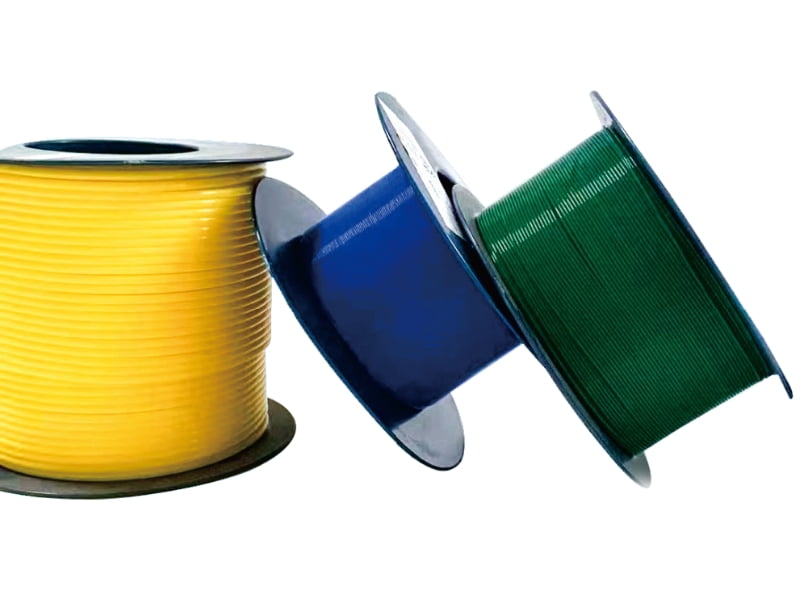
What Is PTFE Hose?
Before discussing bending techniques, it is important to understand what is PTFE hose and how it differs from other tubing materials.
PTFE (Polytetrafluoroethylene) is a high-performance fluoropolymer commonly referred to as Teflon. It offers several advantages that make tube PTFE Teflon products highly desirable in industrial systems.
Key Characteristics of PTFE Tubing
Exceptional chemical resistance
High temperature tolerance (up to about 260°C / 500°F)
Extremely low friction coefficient
Non-stick surface
Excellent electrical insulation
Because of these properties, PTFE tubing is commonly used for transporting aggressive chemicals, high-purity liquids, and gases in demanding environments.
Flexible Teflon Tubing vs Standard PTFE Tube
Many people ask whether flexible teflon tubing is different from standard PTFE tubing.
Flexible PTFE Tube
A flexible PTFE tube is designed with thinner walls or modified structures to allow better bending without cracking. These tubes are ideal for applications requiring routing through complex systems.
Standard Teflon Tubes
Standard teflon tubes are usually more rigid and may require special techniques when bending.
Selecting the right tubing from a reliable PTFE Tube Manufacturer or PTFE Tube Supplier ensures the material meets the requirements of your application.
Can You Bend Teflon Tubing?
Yes, teflon tubing can be bent, but it requires careful control to prevent:
Tube flattening
Internal flow restriction
Material stress or cracking
Unlike rubber or silicone tubing, PTFE tubing does not easily deform and return to its original shape. Therefore, proper bending techniques are essential.
Methods for Bending Teflon Tubing
There are several effective methods for bending tube PTFE Teflon safely.
1. Heat Bending Method
The most common technique for shaping teflon tubing is controlled heat bending.
Steps
Apply gentle heat to the area where the tube needs to bend.
Use a heat gun or controlled heating device.
Slowly bend the tubing to the desired angle.
Hold the shape until the tubing cools and stabilizes.
Important Tips
Avoid overheating the PTFE tube.
Use gradual bending instead of sharp angles.
Ensure uniform heating to prevent weak spots.
This method works well for flexible teflon tubing and thin-wall PTFE tubes.
2. Using a Bending Spring
Another technique involves inserting a bending spring inside the tube.
Advantages
Prevents tube collapse
Maintains round internal diameter
Ensures smooth bending
This method is commonly used when installing flexible PTFE tube systems in tight spaces.
3. Mandrel Bending Technique
For precise industrial applications, manufacturers may use mandrel bending tools.
Benefits
Accurate bending angles
No internal deformation
Suitable for complex fluid systems
Professional PTFE Tube Manufacturers often use specialized equipment to produce pre-bent tubing for specific industrial applications.
4. Gradual Manual Bending
For small adjustments, manual bending may be sufficient.
Key Recommendations
Bend slowly and evenly
Avoid sharp angles
Maintain a large bending radius
Although flexible PTFE tube designs allow some bending, excessive force can damage the tube.
Recommended Bend Radius for PTFE Tubing
One of the most important factors when bending teflon tubes is maintaining the correct bend radius.
General Rule
The bend radius should typically be 8–10 times the outer diameter of the tube.
For example:
| Tube Outer Diameter | Recommended Bend Radius |
|---|---|
| 6 mm | 48–60 mm |
| 10 mm | 80–100 mm |
| 12 mm | 96–120 mm |
Maintaining the proper radius prevents kinking and flow restriction.
Applications of Flexible PTFE Tube
High-quality PTFE tubing is widely used across multiple industries.
Chemical Industry
PTFE tubes resist aggressive chemicals and solvents, making them ideal for chemical transfer systems.
Medical Equipment
Medical-grade flexible teflon tubing is used in catheters, laboratory systems, and pharmaceutical equipment.
Electronics Industry
Because PTFE provides excellent insulation, teflon tubing is commonly used for protecting electrical wiring.
Food and Beverage Processing
Food-grade PTFE tubes are used for hygienic fluid transfer because they are non-reactive and easy to clean.
Choosing a Reliable PTFE Tube Manufacturer
Selecting a professional PTFE Tube Manufacturer or PTFE Tube Supplier ensures that the tubing meets strict quality standards.
Key Factors to Consider
Material purity and certification
Precision manufacturing processes
Consistent wall thickness
Custom size and length options
Technical support and customization
Reliable suppliers can also provide custom bending solutions or pre-formed teflon tubes for specialized applications.
Understanding how to bend teflon tubing correctly is essential to maintain the performance and durability of PTFE tubing systems. Whether using heat bending, bending springs, mandrel tools, or manual techniques, proper handling ensures that flexible PTFE tubes retain their structural integrity and fluid flow capacity.
With the right bending methods and support from a trusted PTFE Tube Supplier or PTFE Tube Manufacturer, industries can safely integrate teflon tubing into complex systems for chemical processing, medical equipment, electronics, and many other demanding applications.
