


 English

Cutting PVC Pipe correctly is essential for ensuring tight joints, smooth connections, and long-lasting plumbing or drainage systems. Whether you're working with residential plumbing pipes, irrigation systems, or industrial installations, understanding the proper cutting techniques helps maintain the performance of PVC Pipes and PVC Tubes.
In this guide, we’ll explain step-by-step methods for cutting PVC Pipe safely and efficiently, along with tips for selecting high-quality materials from a reliable PVC Pipe Supplier or PVC Pipe Manufacturer.
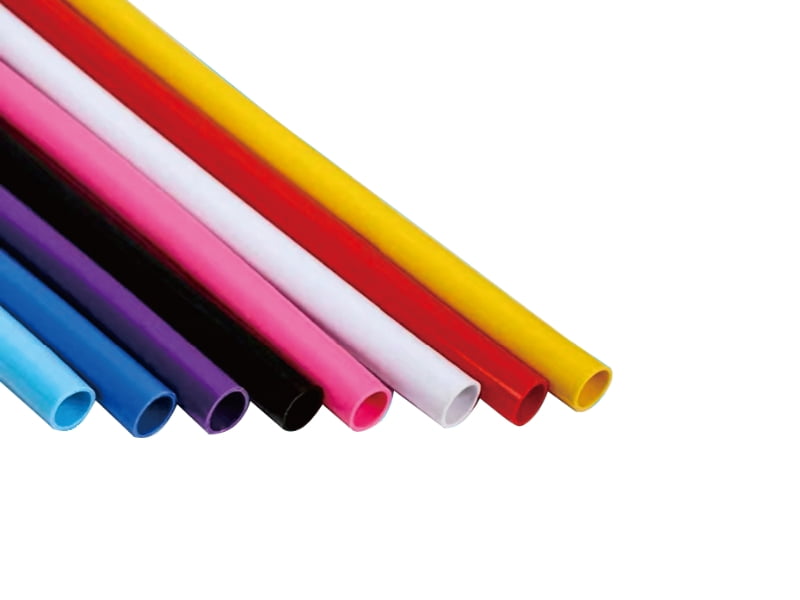
What Is PVC Pipe?
PVC Pipe (Polyvinyl Chloride pipe) is one of the most widely used thermoplastic piping materials in the world. Known for its durability and versatility, PVC is commonly used in:
Water supply systems
Drainage systems
Electrical conduit
Irrigation networks
Industrial fluid transfer
Because of its properties, PVC is often chosen for lightweight PVC pipes, corrosion-resistant tubes, and chemical-resistant PVC pipes in both residential and industrial environments.
Why Proper Cutting Matters
Improper cutting can lead to:
Uneven joints
Leakage
Weak solvent weld bonding
Structural stress points
A clean, square cut ensures proper fitting alignment and maximizes the durability of residential plumbing pipes and other piping systems.
Tools Needed to Cut PVC Pipes
Before starting, prepare the right tools depending on pipe diameter:
PVC pipe cutter (ratcheting cutter)
Hacksaw
Miter saw (for larger diameters)
Deburring tool or sandpaper
Measuring tape
Marker
Using appropriate tools ensures a precise cut that maintains the integrity of chemical-resistant PVC pipes.
Step-by-Step Guide: How to Cut PVC Pipe
Step 1: Measure and Mark
Use a measuring tape to determine the required length. Mark the cutting line clearly around the pipe’s circumference. A straight guideline ensures even cuts for both PVC pipes and PVC tubes.
Step 2: Choose the Right Cutting Tool
For small-diameter lightweight PVC pipes, use a ratcheting PVC cutter.
For medium sizes, a hacksaw works effectively.
For large-diameter industrial pipes, a miter saw provides the most accurate cut.
Step 3: Cut Slowly and Evenly
Apply steady pressure while cutting. Avoid twisting or forcing the blade, as this may crack the pipe or create uneven edges.
For customizable PVC pipes used in industrial applications, precision cutting ensures smooth system integration.
Step 4: Deburr the Edges
After cutting, remove burrs or rough edges using sandpaper or a deburring tool. This step is crucial for ensuring leak-free connections in residential plumbing pipes and pressure systems.
Deburring also helps solvent cement bond properly when joining pipes.
Cutting Large Diameter PVC Tubes
When working with larger PVC tubes used in industrial or agricultural systems:
Secure the pipe firmly to prevent movement.
Use a fine-tooth saw blade for cleaner edges.
Cut slowly to prevent cracking.
Large-scale installations often require precision to maintain the strength of corrosion-resistant tubes.
Safety Tips When Cutting PVC Pipe
Wear safety goggles to protect against debris.
Use gloves to avoid sharp edge injuries.
Work on a stable surface.
Avoid excessive force.
Safety is especially important when handling thicker, industrial-grade chemical-resistant PVC pipes.
Applications of PVC Pipes After Cutting
Once cut and installed correctly, PVC pipes serve in:
Home water supply systems
Drain and waste systems
Underground irrigation lines
Industrial chemical transport
Cable conduit systems
Their durability and low maintenance requirements make them a preferred durable and cost-effective piping solution.
PVC Pipe Customization for Different Projects
Not all projects use standard pipe lengths. That’s why PVC Pipe Customization is increasingly important for contractors and engineers.
Customization options include:
Custom lengths
Different wall thicknesses
Pressure ratings
Color coding
UV-resistant formulations
Working with a professional PVC Pipe Manufacturer ensures access to high-quality customizable PVC pipes tailored to specific industry requirements.
Choosing a Reliable PVC Pipe Supplier
Selecting the right PVC Pipe Supplier ensures consistent product quality and technical support.
Look for suppliers offering:
Certified production standards
Strict quality control
Wide product range of PVC pipes and PVC tubes
Fast delivery
Competitive pricing
An experienced PVC Pipe Manufacturer can provide lightweight PVC pipes, corrosion-resistant tubes, and chemical-resistant PVC pipes designed for long-term performance.
Advantages of PVC Pipes
PVC piping systems offer multiple benefits:
Lightweight for easy installation
Excellent chemical resistance
Corrosion-resistant structure
Smooth inner surface for efficient flow
Long service life
Low maintenance cost
These features make PVC a leading material choice for both residential and industrial applications.
Understanding how to cut PVC pipe properly ensures smooth installation, secure joints, and long-lasting performance. Whether working with small PVC tubes or large-diameter industrial PVC pipes, precise cutting and finishing are essential.
By sourcing materials from a trusted PVC Pipe Supplier or PVC Pipe Manufacturer, you can access high-quality customizable PVC pipes designed for residential plumbing pipes, industrial systems, and corrosion-resistant applications.
With proper tools, techniques, and quality materials, PVC piping remains one of the most reliable and efficient solutions in modern construction and infrastructure.
