


 English

Corrugated piping systems are widely used in drainage, cable protection, agricultural irrigation, and underground utilities due to their flexibility and strength. Whether you're working on a residential drainage system or a commercial infrastructure project, understanding how to connect Corrugated Pipe correctly ensures long-term durability and leak-free performance.
This guide will explain what is corrugated pipe, connection methods, how to connect corrugated pipe to PVC, and how to choose the right supplier or manufacturer for reliable piping systems.
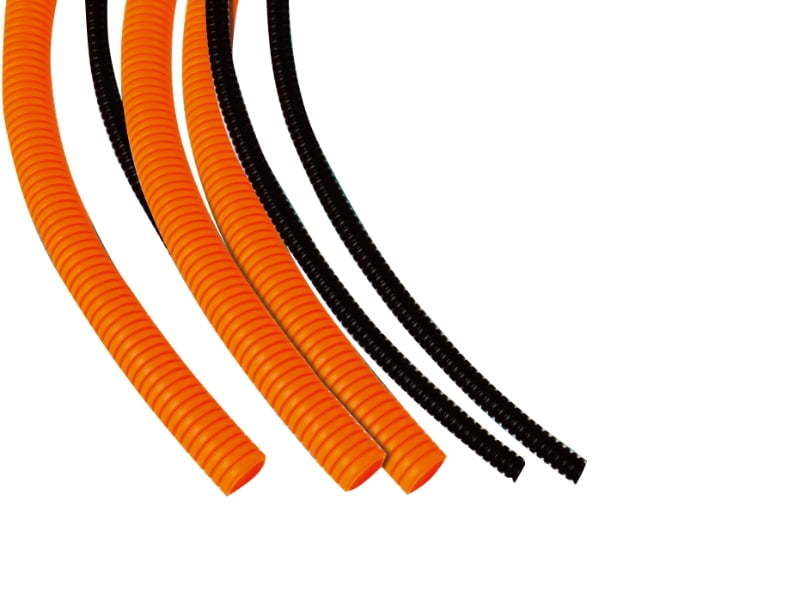
What Is Corrugated Pipe?
Before learning installation methods, it is important to understand what is corrugated pipe.
Corrugated pipe is a type of flexible corrugated pipe designed with ridges and grooves along its surface. These corrugations provide structural strength while maintaining flexibility. Most corrugated pipes are made from HDPE or PVC materials.
Key characteristics include:
Lightweight and easy to install
High impact resistance
Strong load-bearing capacity
Suitable for underground applications
Available in multiple diameters and lengths
Because of these features, it is considered a durable piping solution for drainage, stormwater management, and cable protection systems.
Tools and Materials Needed
Before connecting, prepare the following:
Pipe cutter or saw
Couplers or fittings
Rubber gasket (for Seal Type Corrugated Pipe)
PVC adapter (if connecting to PVC)
Measuring tape
Lubricant (if required)
Using high-quality fittings ensures a cost-effective piping solution with reduced maintenance over time.
How to Connect Corrugated Pipe (Standard Method)
1. Cut the Pipe Properly
Use a fine-tooth saw to make a clean, straight cut between corrugations. A clean edge ensures a tight fit with couplers.
2. Install a Coupler
Insert a compatible coupler into one end of the pipe. Many systems use snap-fit or split couplers designed specifically for flexible corrugated pipe.
3. Secure the Connection
Push the second pipe end into the other side of the coupler. Ensure it snaps firmly into place. Some systems may require clamps or external sleeves for added security.
4. Check Alignment
Ensure pipes are aligned properly to avoid stress points that may weaken the durable flexible solutions provided by the system.
Seal Type Corrugated Pipe Connection
For drainage systems requiring water-tight performance, Seal Type Corrugated Pipe connections are recommended.
Installation Steps:
Insert a rubber gasket inside the pipe groove.
Apply lubricant for easier insertion.
Push the pipe into a bell-end fitting.
Ensure the gasket is evenly seated to prevent leaks.
This method is commonly used in stormwater and sewer applications where leak prevention is critical. A properly sealed system enhances the overall durable piping solution.
How to Connect Corrugated Pipe to PVC
One common installation challenge is how to connect corrugated pipe to PVC. This typically requires a transition fitting or adapter.
Method 1: Using a PVC Adapter
Attach a corrugated pipe coupler to the pipe end.
Use a transition adapter designed for corrugated-to-PVC connection.
Cement the PVC Pipe into the adapter using PVC solvent cement.
Secure with a clamp if required.
Method 2: Flexible Rubber Coupling
A flexible rubber coupling with stainless steel clamps can connect corrugated pipe to PVC quickly.
Steps:
Slide the rubber coupling over the PVC Pipe.
Insert the corrugated pipe into the other end.
Tighten clamps securely.
This approach creates a cost-effective piping solution suitable for residential and light commercial drainage systems.
Common Applications of Flexible Corrugated Pipe
Because of its adaptability, flexible corrugated pipe is widely used in:
Agricultural drainage systems
Highway stormwater management
Cable protection conduits
Residential yard drainage
Industrial underground piping
Its design makes it a corrosion-resistant corrugated pipe, especially when manufactured from HDPE materials.
Corrugated Pipe Customization Options
Every project has unique requirements. That is why Corrugated Pipe Customization plays an important role in infrastructure development.
Customization options may include:
Different diameters and wall thickness
Perforated or non-perforated design
Seal type or open-joint systems
UV-resistant coating
Length adjustments
Working with a professional Corrugated Pipe Manufacturer allows you to access fully customizable corrugated pipes tailored to your project needs.
Choosing a Reliable Corrugated Pipe Supplier
Selecting the right Corrugated Pipe Supplier ensures consistent quality and technical support.
Look for suppliers who provide:
Certified manufacturing standards
High-quality raw materials
Advanced extrusion technology
Custom design support
Competitive pricing
On-time delivery
An experienced Corrugated Pipe Manufacturer can offer durable flexible solutions that meet international standards and project specifications.
Advantages of Corrugated Pipe Systems
Why choose corrugated piping over traditional rigid systems?
Lightweight for easy transportation
Faster installation
Lower labor costs
Excellent impact resistance
Long service life
Corrosion-resistant structure
These benefits make it a durable piping solution for both small-scale and large-scale infrastructure projects.
Maintenance Tips
To ensure long-term performance:
Avoid sharp bends beyond recommended limits
Inspect joints regularly
Ensure proper bedding and backfill during installation
Use compatible fittings for secure connections
Correct installation directly impacts the lifespan of your flexible corrugated pipe system.
Understanding how to connect corrugated pipe properly is essential for achieving a reliable and long-lasting drainage or conduit system. Whether using standard couplers, gasket-sealed fittings, or learning how to connect corrugated pipe to PVC, proper techniques guarantee leak-free performance.
By working with a professional Corrugated Pipe Supplier or Corrugated Pipe Manufacturer, you can access customizable corrugated pipes, including Seal Type Corrugated Pipe systems that provide a corrosion-resistant corrugated pipe structure and a truly cost-effective piping solution.
With correct installation and quality materials, corrugated pipe remains one of the most trusted and durable flexible solutions in modern infrastructure.
