


 English

Effective drainage and fluid management are critical in civil engineering, construction, and industrial applications. Corrugated metal pipe and corrugated plastic pipe are widely used for their durability, flexibility, and efficient drainage performance. From stormwater management to agricultural drainage systems, Corrugated Pipes provide reliable solutions for water and fluid control.
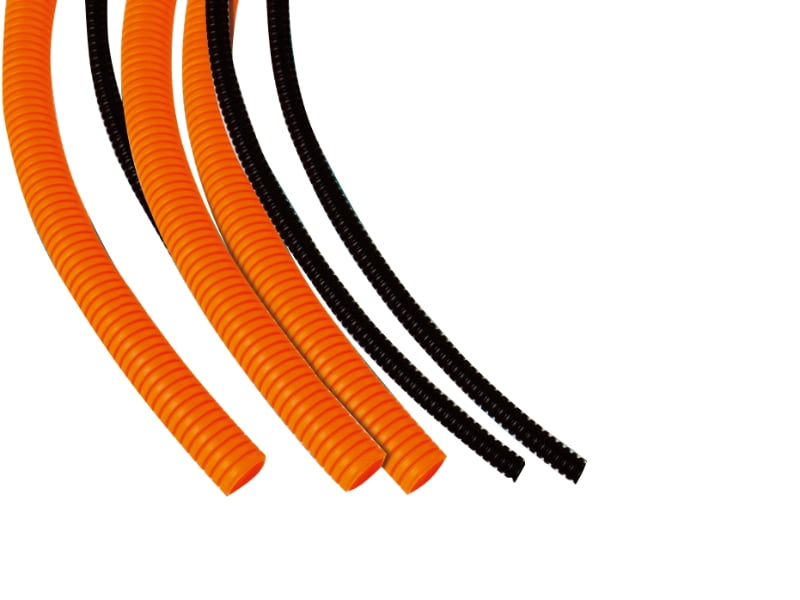
What Is a Corrugated Pipe?
A Corrugated Pipe is a tube characterized by its alternating ridges and grooves along the pipe surface. This design improves structural strength while maintaining flexibility. Corrugated Pipes are commonly used in drainage systems, culverts, and industrial fluid transfer.
Depending on the material and design, they can be classified as corrugated metal pipe, corrugated plastic pipe, or corrugated hose. Each type has specific advantages for different applications.
Types of Corrugated Pipes
1. Corrugated Metal Pipe
Corrugated metal pipe is usually made from galvanized steel, aluminum, or stainless steel. Its high load-bearing capacity makes it ideal for highway culverts, stormwater drainage, and heavy industrial applications. The corrugated structure distributes pressure evenly, preventing deformation under heavy loads.
2. Corrugated Plastic Pipe
Corrugated plastic pipe is lightweight, corrosion-resistant, and easy to install. It is widely used in residential and commercial drainage systems, including perforated drainage pipe applications, where water must be filtered and diverted effectively.
3. Perforated Drainage Pipe
Perforated drainage pipe has small holes or slots along its length to allow water to enter the pipe from surrounding soil. It is commonly used in landscape drainage, retaining walls, and agricultural fields to prevent water accumulation.
4. Corrugated Drain Pipe
The term corrugated drain pipe typically refers to flexible drainage tubing that combines the strength of corrugated walls with smooth internal flow. These pipes are widely used in residential gutters, road construction, and erosion control systems.
5. Corrugated Hose
A corrugated hose is a flexible tubing solution often used in industrial and automotive applications. Its corrugated design allows it to bend without kinking, making it suitable for fluid transfer, ventilation, and protective conduit applications.
Advantages of Corrugated Pipes
High structural strength and durability
Flexibility for curved or uneven terrain
Corrosion and chemical resistance (especially in plastic variants)
Efficient drainage performance
Easy installation and cost-effectiveness
These properties make corrugated pipe solutions ideal for stormwater management, industrial drainage, agricultural irrigation, and construction projects.
Applications of Corrugated Pipes
Civil Engineering and Infrastructure: Road culverts, bridge drainage, and highway water management
Agricultural Drainage: Fields, greenhouse drainage, and soil moisture control using perforated drainage pipe
Residential and Commercial Projects: Landscaping, lawn drainage, and gutter systems
Industrial Applications: Fluid transfer and protective conduit using corrugated hose
Installation Considerations
Proper installation of corrugated drain pipe is critical for long-term performance. Recommendations include:
Proper trench depth and slope for water flow
Correct backfill material to prevent pipe deformation
Use of connectors and fittings to ensure leak-free joints
Periodic inspection for sediment buildup in perforated drainage pipe applications
Corrugated metal pipe, corrugated plastic pipe, perforated drainage pipe, and corrugated hose provide versatile, durable, and cost-effective solutions for water management and fluid transfer. Their combination of strength, flexibility, and ease of installation makes them indispensable in construction, agriculture, and industrial projects.
Whether you need heavy-duty corrugated metal pipe for infrastructure or a lightweight corrugated drain pipe for landscaping, these solutions ensure reliable drainage performance and long-term durability.
