


 English

PTFE, also known as Teflon, is a versatile material widely used in electrical insulation, chemical processing, and high-temperature applications. Whether you are working with PTFE Heat Shrinkable Tubing, PTFE TUBE, or ePTFE Tubing, knowing how to cut PTFE TUBE correctly is essential for clean, precise, and leak-free connections.
In this guide, we will explain the tools, techniques, and best practices for cutting PTFE pipe, Teflon tubing, and PTFE heatshrink to ensure professional results.
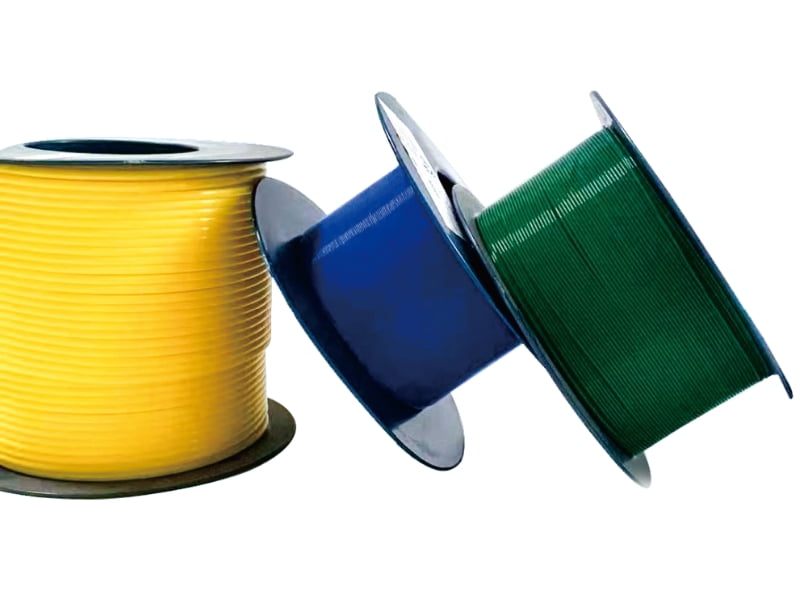
What is PTFE and Its Applications?
PTFE (Polytetrafluoroethylene) is a non-reactive, high-temperature resistant polymer, commonly found in:
PTFE tube / pipe PTFE for chemical and fluid transfer
Teflon tubing / Teflon pipe in industrial and laboratory applications
PTFE heat shrinkable tubing / PTFE heat shrink for electrical insulation and wire protection
ePTFE tubing in filtration and medical applications
PTFE’s excellent chemical resistance, low friction, and heat tolerance make it ideal for demanding environments.
Tools Needed to Cut PTFE Tube
To achieve a clean and accurate cut, you need proper tools:
PTFE Tubing Cutter – specifically designed for PTFE tube, ensures square and burr-free cuts
Sharp Utility Knife or Razor Blade – works for small diameters; requires careful handling
Rotary Pipe Cutter – suitable for thicker PTFE pipe
Cutting Mat or Stable Surface – to prevent slipping and damage
Measuring Tools – ruler or caliper for precise length
Step-by-Step Guide: How to Cut PTFE Tube
Step 1: Measure and Mark
Use a marker or tape to mark the cutting point on the PTFE heat shrinkable tubing or PTFE pipe.
Ensure the measurement is accurate, especially for fluid or gas connections.
Step 2: Secure the Tube
Hold the PTFE tube firmly on a stable surface.
For small diameter tubing, consider using a vice with soft jaws to avoid deformation.
Step 3: Cutting Techniques
Using a PTFE tubing cutter:
Align the cutter with the mark and rotate or squeeze as instructed.
The cutter ensures a smooth, square edge.
Using a utility knife:
Score lightly first, then cut through slowly for clean edges.
Avoid angled or jagged cuts that can cause leaks.
Step 4: Inspect and Deburr
Check the cut end for smoothness.
Remove burrs using a small file or sandpaper if needed.
A clean end ensures proper fitting, especially for PTFE heat shrink applications.
Step 5: Use in Application
For PTFE heat shrinkable tubing / PTFE heatshrink, slide over wires or cables before applying heat.
For PTFE pipe / Teflon pipe, ensure the cut fits connectors or adapters perfectly.
Tips for Cutting PTFE Tube Successfully
Avoid crushing the tube – use appropriate cutters or support.
Cut slowly for larger diameters – reduces deformation.
Use sharp blades – PTFE is soft but slippery; dull blades create uneven edges.
Consider heat shrinking requirements – for PTFE heat shrinkable tubing, cut slightly longer than needed.
Label multiple cuts – ensures correct installation in complex assemblies.
Applications of Cut PTFE Tubing
Electrical insulation using PTFE heat shrinkable tubing
Chemical and fluid transport with PTFE tube, PTFE pipe, or Teflon pipe
Laboratory and medical applications with ePTFE tubing
Aerospace, automotive, and new energy systems requiring PTFE heatshrink protection
Cutting PTFE tubes accurately ensures leak-free, professional, and long-lasting installations across all applications.
Knowing how to cut PTFE tube properly is essential for any industrial, laboratory, or electrical project. Whether using PTFE heat shrinkable tubing, pipe PTFE, Teflon tubing, or ePTFE tubing, selecting the right tools and following precise cutting steps guarantees clean edges, proper fitting, and optimal performance.
