


 English

Heat shrinking tubes are essential components in electrical insulation, wire protection, and industrial cable management. Whether used in consumer electronics, automotive wiring, or new energy systems, understanding how to use heat shrinking tube correctly ensures safety, durability, and professional results.
This guide explains what heat shrink tubes are, how they work, and how to choose and apply different types such as Ul Heat Shrinkable Sleeve, Fiberglass Sleeving, and heat shrink tubing with adhesive.
What Are Heat Shrink Tubes?
What are heat shrink tubes?
A heat shrink tube (also called heat shrink tubing or heat shrink tube tubing) is a polymer or fiber-based sleeve that contracts when heated. Once applied, it tightly wraps around wires, terminals, or components to provide:
Electrical insulation
Mechanical protection
Moisture and corrosion resistance
Strain relief
Heat shrink products are widely used in electrical, automotive, aerospace, and new energy heat shrinkable tube applications.
Common Types of Heat Shrink Sleeving
Different environments require different materials. Below are the most common options:
1. UL / UI Heat Shrinkable Sleeve
Certified for electrical safety standards
Excellent flame retardancy
Used in power supplies, control cabinets, and industrial wiring
Often referred to as Ul Heat Shrinkable Sleeve or UI Heat Shrinkable Sleeve
2. Ultra Thin Heat Shrinkable Tube
Minimal wall thickness
Ideal for compact electronics and precision components
Maintains flexibility while providing insulation
3. Heat Shrink Tubing with Adhesive
Also known as dual-wall heat shrink
Inner adhesive melts during heating, sealing the connection
Provides waterproof and vibration-resistant protection
Common in automotive and outdoor applications
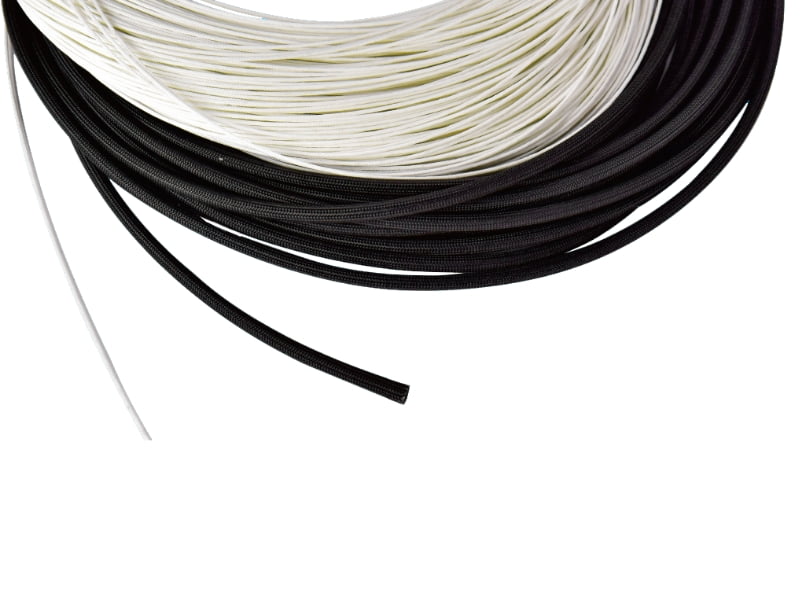
4. Fiberglass Sleeving & Fiberglass Tube
Made from woven fiberglass fibers
Designed for extreme thermal environments
Often used as High Temperature Fiberglass Sleeving for motors, transformers, and heaters
5. Silicone Fiber Glass Sleeving
Fiberglass sleeving coated with silicone rubber
Combines heat resistance with flexibility
Excellent dielectric performance and chemical resistance
How to Use Heat Shrinking Tube Step by Step
Step 1: Select the Correct Size
Choose a heat shrink tube with an inner diameter slightly larger than the cable or joint. Pay attention to the shrink ratio (2:1, 3:1, or 4:1).
Step 2: Slide the Tube into Position
Before making electrical connections, slide the shrink heat shrink tubing over the wire.
Step 3: Complete the Connection
Finish soldering, crimping, or terminal installation.
Step 4: Apply Heat Evenly
Use a heat gun for best results. As heat is applied:
The tube begins to shrink
It tightly conforms to the surface
Adhesive-lined versions seal internally
Avoid overheating to prevent damage.
Step 5: Cool and Inspect
Allow the heat shrink to cool naturally. Ensure the tube is fully shrunk and firmly attached.
Heat Shrink vs Fiberglass Sleeving: Which to Use?
| Application | Recommended Product |
|---|---|
| Electrical insulation | Heat shrink tube |
| Waterproof sealing | Heat shrink tubing with adhesive |
| High-temperature zones | High Temperature Fiberglass Sleeving |
| Motors & transformers | Fiberglass Tube |
| Flexible heat protection | Silicone Fiber Glass Sleeving |
Applications of Heat Shrink Products
Power cables and wiring harnesses
Automotive and EV systems (new energy heat shrinkable tube)
Industrial machinery
Electronics and PCB protection
Renewable energy equipment
Aerospace and rail transit
Benefits of Using Heat Shrink Tubing
Reliable insulation and safety
Clean and professional appearance
Long-term durability
Resistance to heat, chemicals, and abrasion
Easy installation with minimal tools
Final Thoughts
Understanding how to use heat shrinking tube correctly is crucial for ensuring safe, reliable, and long-lasting electrical connections. From Ultra Thin Heat Shrinkable Tube for precision electronics to Fiberglass Sleeving for extreme temperatures, choosing the right material makes all the difference.
If you are working with industrial wiring, renewable energy systems, or high-temperature equipment, selecting certified solutions such as UL Heat Shrinkable Sleeve, Silicone Fiber Glass Sleeving, and heat shrink tubing with adhesive will significantly enhance performance and safety.
