


 English

Fiberglass tubing is a versatile and high-performance solution widely used in industrial, electrical, automotive, and construction applications. Known for its strength, flexibility, and heat resistance, Fiberglass Tubes provide reliable structural support and insulation in demanding environments.
This article explores fiberglass tubing types, materials, applications, and why sourcing from trusted fiberglass tube manufacturers or fiberglass tubing suppliers is essential.
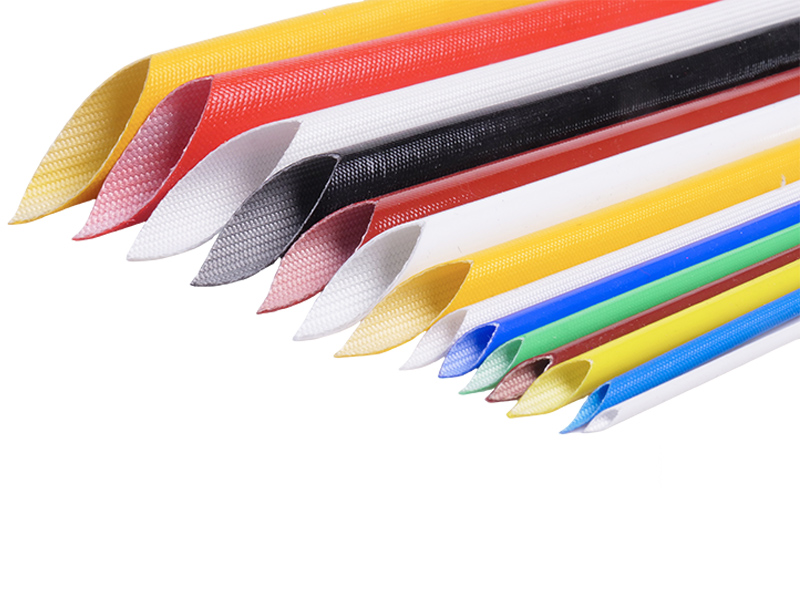
What Is Fiberglass Tubing?
Fiberglass tubing, also referred to as fibre glass tubing or fibreglass tubes, is made from reinforced glass fibers embedded in resin. This combination delivers:
High mechanical strength
Excellent thermal and chemical resistance
Lightweight structure
Electrical insulation properties
Specialized variants include silicone fiberglass tube and silicone glass fibre tube, which combine the heat resistance of silicone with the structural integrity of fiberglass.
Types of Fiberglass Tubes
1. Flexible Fiberglass Tube
Flexible fiberglass tubes provide easy installation in tight spaces while maintaining strength and heat resistance.
2. High-Strength Fiberglass Tubes
Examples include white fiberglass tube 1.5mm–30mm high strength, designed for structural applications, supporting mechanical loads while remaining lightweight.
3. Silicone-Coated Fiberglass Tubes
Silicone fiberglass tube or silicone glass fibre tube offers additional chemical and UV resistance, ideal for industrial or high-temperature applications.
Fiberglass Tubing Manufacturers and Suppliers
Choosing the right fiberglass tube manufacturer or fiberglass tubing supplier ensures quality, durability, and precision. Key considerations include:
Material quality and fiber density
Tube dimensions and tolerances
Coating or resin type
Compliance with industry standards
Reliable suppliers can provide a range of products from standard fiberglass tubes to customized fibreglass tubes tailored for specific applications.
Applications of Fiberglass Tubing
Industrial and Mechanical
Structural supports and frameworks
Insulating components for machinery
Protective coverings for pipes and cables
Electrical and Electronics
Electrical insulation and protection
Supporting high-voltage wiring
Components in transformers or switchgear
Automotive and Aerospace
Lightweight structural elements
Heat-resistant Protective Sleeves
Reinforcement for composite parts
Specialty Applications
Flexible fiberglass tubes for routing and installation
Silicone-coated fiberglass tubes for chemical and UV protection
Advantages of Fiberglass Tubing
High Strength-to-Weight Ratio: Ideal for structural applications
Thermal Resistance: Withstands extreme temperatures
Chemical and Corrosion Resistance: Suitable for industrial environments
Electrical Insulation: Protects cables and electronic components
Durability: Long service life with minimal maintenance
These benefits make fiberglass tubing a preferred choice for engineers and manufacturers worldwide.
Choosing the Right Fiberglass Tube
When selecting fiberglass tubing, consider:
Dimensions and Wall Thickness – e.g., 1.5mm to 30mm high-strength tubes
Flexibility – rigid vs flexible fiberglass tubes
Coating or Resin – standard fiberglass, silicone-coated, or high-temperature variants
Supplier Quality – certified fiberglass tube manufacturers ensure consistent performance
By addressing these factors, you can ensure safety, durability, and efficiency for your applications.
Fiberglass tubing combines strength, heat resistance, and versatility, making it an essential material for industrial, electrical, automotive, and specialty applications. From flexible fiberglass tube to silicone fiberglass tube, and from standard fiberglass tubes to custom high-strength variants, choosing reliable fiberglass tubing suppliers and manufacturers guarantees quality and long-term performance.
Whether for structural, insulation, or protective purposes, fiberglass tube remains a trusted solution in modern engineering and industrial applications.
