


 English

Heat-shrinkable sleeve systems are essential components in electrical, industrial, and mechanical applications, providing insulation, protection, and strain relief. Also known as shrinkable sleeves, heat Shrink Sleeves, or shrinkable sleeving, these materials offer reliable protection for wires, cables, and pipes in harsh environments.
This article explores Heat Shrinkable Sleeve materials, types, sizes, high-temperature applications, and benefits for industrial and electrical systems.
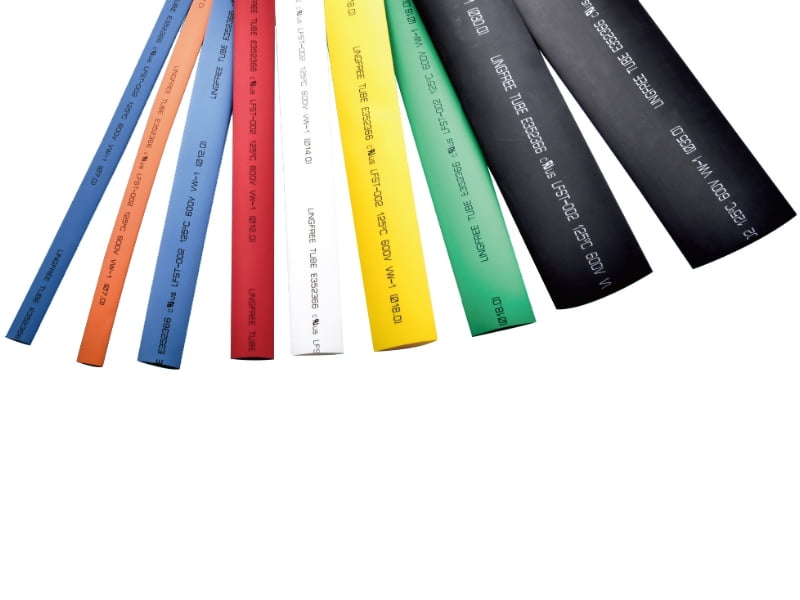
What Are Heat-Shrinkable Sleeves?
A Heat Shrinkable Sleeve is a tube or sleeve made from polymeric materials that shrink radially when exposed to heat. These sleeves are widely used to:
Protect electrical connections
Insulate wires and terminals
Provide strain relief
Protect pipes and flanges from corrosion and mechanical damage
Shrinkable sleeves electrical are specifically designed to withstand electrical voltages and provide UL certification for safety compliance.
Common types include:
UL tube
Heat shrink rubber sleeve
Heat shrink pipe sleeve
Heat shrink sleeve flange sleeve
Heat Shrinkable Sleeve Materials
The most common heat shrinkable sleeve material includes:
Polyolefin
PVC
Fluoropolymer
Silicone rubber
High-performance materials offer high-temperature heat shrinkable sleeve solutions suitable for demanding industrial environments, including automotive, aerospace, and power generation.
Sizes and Standards
Heat shrink sleeve sizes chart PDF is often provided by manufacturers to help engineers select the correct sleeve diameter for their wires or pipes. Key parameters include:
Expanded diameter (before heating)
Recovered diameter (after shrinking)
Sleeve wall thickness
Shrinking ratio (commonly 2:1, 3:1, or 4:1)
Proper sizing ensures effective insulation and mechanical protection.
Applications of Heat-Shrinkable Sleeves
Electrical Industry
Insulating and protecting electrical connections
Covering cable splices and joints
Providing strain relief and environmental sealing
Industrial Piping and Flanges
Heat shrink sleeve flange sleeve protects flanges from corrosion and moisture
Heat shrink pipe sleeve is widely used for pipeline protection and identification
High-Temperature Environments
High-temperature heat shrinkable sleeves can withstand operating temperatures up to 250°C, making them ideal for motors, transformers, and heavy machinery.
Flexible Solutions
Shrinkable sleeving and UL tube options provide flexibility for cables of various sizes and shapes while maintaining insulation integrity.
Benefits of Heat-Shrinkable Sleeve Systems
Reliable electrical insulation and safety compliance
Protection against moisture, chemicals, and abrasion
Easy installation and customization for different applications
Durability in high-temperature and harsh environments
Cost-effective alternative to mechanical fittings and protective covers
Manufacturers specializing in heat shrinkable sleeves offer a range of options from standard polyolefin sleeves to custom high-performance solutions.
Choosing the Right Heat Shrink Sleeve
When selecting a heat shrinkable sleeve, consider:
Material compatibility with wires, cables, or pipes
Temperature rating for the operating environment
Sleeve size and shrink ratio
Electrical certification (e.g., UL, CSA) for electrical applications
Mechanical protection needs, including abrasion and chemical resistance
These factors ensure optimal performance and long-term reliability.
Heat-shrinkable sleeve systems provide essential insulation, protection, and mechanical stability for electrical and industrial applications. From shrinkable sleeves electrical to high-temperature heat shrinkable sleeves, these materials offer versatile solutions for wires, cables, pipes, and flanges.
Whether you need heat shrink rubber sleeves, heat shrink pipe sleeves, or UL tube, choosing the right heat shrinkable sleeve material and size ensures safety, durability, and efficiency in demanding environments.
