


 English

A glass fiber sleeve is a type of high-temperature protective tubing made from braided or woven fiberglass yarns. It is widely used to provide thermal insulation, electrical insulation, and mechanical protection for wires, cables, hoses, and pipes in industrial environments.
You may also see it referred to as glass sleeving, Fiberglass Sleeving, or fiber glass insulation sleeve. Regardless of the name, the core function remains the same: protecting components from heat, abrasion, and electrical hazards.
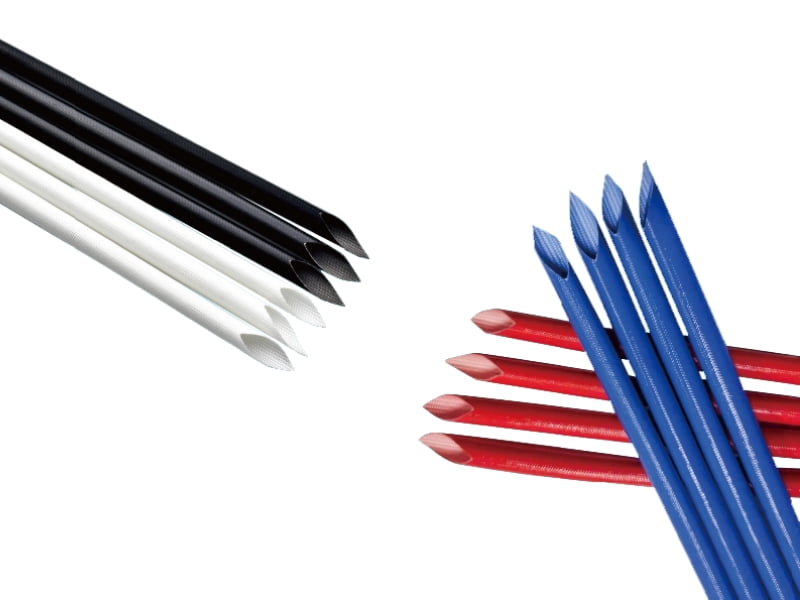
What Is Fiberglass Sleeving?
Fiberglass Sleeving is manufactured from fine glass fibers that are braided or woven into a tubular structure. Because glass fibers are non-combustible and electrically non-conductive, fiberglass insulation sleeve products are ideal for harsh working conditions.
In many industrial systems, fiberglass sleeving for wires is essential to ensure long-term safety and performance, especially in high-temperature or high-voltage environments.
Types of Glass Fiber Sleeving
Woven Fiberglass Sleeve
A woven fiberglass sleeve is created using an interlaced weaving process that improves flexibility and mechanical strength. This structure allows the sleeve to expand slightly while maintaining excellent abrasion resistance.
Woven sleeves are commonly used where wires or cables require frequent bending or movement.
Fiberglass Insulation Sleeve
A fiberglass insulation sleeve focuses on thermal and electrical insulation. It is often treated with silicone resin, acrylic resin, or polyurethane coatings to enhance:
Moisture resistance
Chemical resistance
Dielectric strength
This type of fiberglass sleeve insulation is widely used in motors, transformers, and electrical panels.
Key Properties of Glass Sleeving
High Temperature Resistance
Continuous operating temperature: up to 500°C
Short-term exposure: even higher depending on coating
Non-melting and flame resistant
This makes glass sleeving suitable for extreme thermal environments.
Electrical Insulation Performance
Fiber glass insulation sleeve products provide excellent dielectric strength, making them ideal for insulating electrical conductors, terminals, and busbars.
They are commonly paired with fiberglass type E cables for industrial applications, as both materials meet strict electrical safety standards.
Mechanical Protection
Resistant to abrasion and cutting
Protects wires from vibration and friction
Maintains shape over long service life
Because of these advantages, fiberglass sleeving for wires is widely used in machinery and equipment wiring.
Common Applications of Fiberglass Sleeve Insulation
Glass fiber sleeve products are extensively used across many industries, including:
Electric motors and generators
Transformers and inductors
Industrial wiring harnesses
Heating elements and appliances
Automotive and aerospace wiring
Industrial equipment using fiberglass type E cables for industrial applications
In all these scenarios, fiberglass sleeving improves safety, reliability, and durability.
Glass Fiber Sleeve vs Other Insulation Materials
| Material | Heat Resistance | Electrical Insulation | Flame Resistance |
|---|---|---|---|
| Glass fiber sleeve | Excellent | Excellent | Non-combustible |
| PVC sleeve | Low | Moderate | Poor |
| Silicone sleeve | High | Good | Good |
| PTFE sleeve | Very High | Excellent | Excellent |
This comparison highlights why fiber glass insulation sleeve solutions are preferred for high-temperature industrial environments.
Installation and Use of Fiberglass Sleeving
Installing fiberglass sleeve insulation is straightforward:
Cut the sleeve to the required length
Slide it over wires or cables
Secure ends with heat shrink, tape, or clamps if needed
Because of its flexibility, woven fiberglass sleeve can be installed easily even in tight spaces.
A glass fiber sleeve is a high-performance insulation and protection solution made from woven or braided fiberglass. Also known as glass sleeving, fiberglass sleeving, or fiberglass insulation sleeve, it offers outstanding heat resistance, electrical insulation, and mechanical durability.
For applications involving fiberglass type E cables for industrial applications or demanding wiring systems, fiberglass sleeving for wires remains one of the most reliable and cost-effective insulation choices.
