


 English

Heat Shrink Tubes, also called heat shrink tubing, heat shrink sleeving, or shrink wrap tubes, are specially designed polymer tubes that shrink when exposed to heat. They are widely used in electrical, automotive, aerospace, and industrial applications to provide electrical insulation, mechanical protection, and environmental sealing.
Whether you are a professional electrician or a hobbyist, understanding what are heat Shrink Tubes and how to use heat shrinking tube is essential for safe and reliable wiring and component protection.
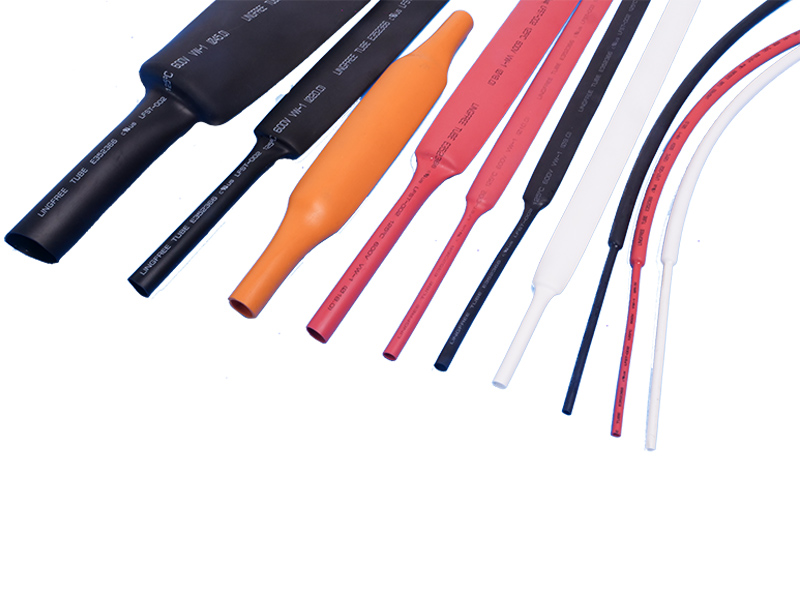
Materials of Heat Shrink Tubes
Heat shrink tubes are available in a variety of materials to suit different applications:
Polyolefin Heat Shrink Tube / Polyolefin Shrink Sleeving: Offers high flexibility, excellent electrical insulation, and moderate heat resistance.
PVC Heat Shrink Tube: Economical and suitable for general electrical insulation.
PTFE Heat Shrink Tube: Resistant to high temperatures and chemicals, ideal for industrial or laboratory use.
Silicone Heat Shrink Tube: Highly flexible and heat-resistant, perfect for automotive and high-temperature applications.
Adhesive Lined Heat Shrink Tube / Dual Wall Heat Shrink Tube: Provides waterproof sealing in addition to mechanical protection.
Special variants include High Temperature Heat Shrink Tube and Flame Retardant Heat Shrink Tube, designed to withstand extreme conditions while maintaining safety and durability.
Specifications
Shrink Ratio: 2:1, 3:1, or more
Inner Diameter: 1mm – 100mm+
Operating Temperature: -55°C to +125°C (special materials up to 200°C)
Colors: Black, red, blue, yellow, green, or custom colors
Types: Flexible, adhesive-lined, flame retardant, waterproof
Applications
Heat shrink tubes are extremely versatile and can be used for:
Electrical Insulation Tube: Protecting wires, terminals, and connectors from short circuits and electrical leakage.
Heat Shrink Wire Sleeve / Heat Shrink Insulation Tube: Covering solder joints, splices, and cable ends.
Automotive Wiring: Protecting wiring harnesses from heat, moisture, and abrasion.
Industrial Equipment: Insulating cables and hoses in machinery and high-temperature environments.
Waterproof Protection: Waterproof heat shrink tube ensures electrical components remain safe in wet environments.
Flexible Applications: Flexible heat shrink tube can be used on moving parts without cracking or breaking.
Advantages of Heat Shrink Tubes
Electrical Insulation: Prevents short circuits and protects sensitive components.
Mechanical Protection: Guards against abrasion, impact, and environmental damage.
Waterproof and Corrosion Resistant: Especially with adhesive-lined tubes.
Heat Resistance: Available in high temperature heat shrink tube variants for extreme environments.
Easy Installation: Simply slide over the target and apply heat.
Neat and Professional Appearance: Shrinks tightly around components for a clean finish.
How to Use Heat Shrink Tubes
Select a tube with an inner diameter slightly larger than the object.
Slide the tube over wires, connectors, or components.
Apply heat using a heat gun, hot air tool, or other safe heating methods. Avoid direct flame to prevent damage.
Heat evenly until the tube shrinks tightly around the object.
Allow to cool to ensure a secure, tight fit.
FAQ
Q1: What are the common materials for heat shrink tubes?
A1: Polyolefin, PVC, PTFE, and silicone are the most common, each offering specific benefits in insulation, flexibility, and heat resistance.
Q2: Can heat shrink tubes be waterproof?
A2: Yes. Adhesive lined heat shrink tube / dual wall heat shrink tube provides excellent waterproofing and environmental protection.
Q3: Are there high-temperature options?
A3: Yes. High temperature heat shrink tube and PTFE heat shrink tube are designed to withstand extreme heat up to 200°C or more.
Q4: How do I install a heat shrink tube?
A4: Slide the tube over the component and apply heat evenly. Use proper sizing and allow cooling for a tight fit.
Q5: What industries use heat shrink tubes?
A5: Electrical, automotive, aerospace, industrial machinery, telecommunications, and DIY electronics.
