


 English

Busbar Insulation Sleeves are essential components for protecting electrical busbars from short circuits, corrosion, and accidental contact. Designed to improve safety, durability, and reliability, these sleeves are widely used in industrial power systems, switchgear, battery banks, and automotive electrical installations.
With a variety of options, including busbar heat Shrink Sleeve, bus bar insulation sleeve, bus bar sleeves, busbar Heat Shrink Tubing, and heat shrink sleeve for busbar, our solutions meet diverse industrial and commercial requirements.
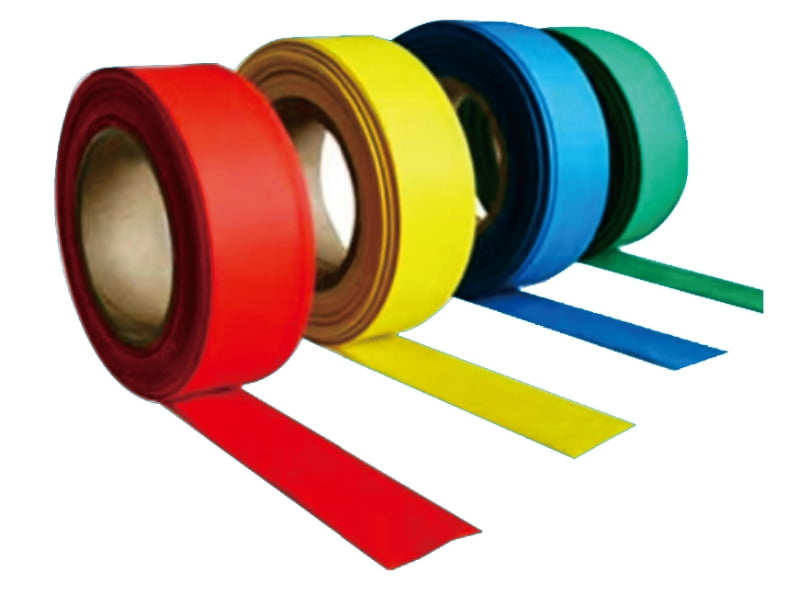
What Are busbar insulation sleeves?
Busbar insulation sleeves are protective coverings made from heat-resistant and electrically insulating materials. They are applied to busbars to:
Prevent electrical shorts and accidental contact
Reduce corrosion and oxidation of copper or aluminum busbars
Improve safety in high-voltage or high-current applications
These sleeves are compatible with solid or flexible busbars and are available in different sizes, materials, and heat-shrink specifications.
Types of Busbar Insulation Sleeves
Busbar Heat Shrink Sleeve
Designed to shrink tightly around busbars when heated
Provides a snug, protective layer for enhanced electrical insulation
Bus Bar Insulation Sleeve
Pre-cut or rollable sleeves for easy installation
Available in PVC, silicone, or polyolefin materials
Bus Bar Sleeves
General-purpose sleeves suitable for low and medium-voltage applications
Color-coded options for phase identification
Busbar Heat Shrink Tubing
High-performance shrink tubing with excellent dielectric strength
Suitable for industrial, automotive, and renewable energy applications
Heat Shrink Sleeve for Busbar
Provides precise insulation and mechanical protection
Reduces wear and tear in high-vibration environments
Key Advantages
Electrical Safety – Prevents short circuits and accidental shocks
Durability – Resistant to high temperatures, UV exposure, and mechanical abrasion
Easy Installation – Shrinkable sleeves fit snugly around busbars for fast assembly
Corrosion Protection – Prevents oxidation of copper or aluminum busbars
Customizable – Available in different lengths, diameters, and colors to meet specific requirements
Compared with uninsulated busbars or low-quality alternatives, our busbar insulation sleeves ensure long-term reliability, reduced maintenance, and enhanced system safety.
Material Options
| Material | Features | Best For |
|---|---|---|
| Polyolefin Heat Shrink | Shrinks tightly, good dielectric strength | General industrial and automotive |
| PVC Sleeves | Flexible, cost-effective | Indoor panels, switchgear |
| Silicone Rubber | High temperature and chemical resistance | Heavy-duty applications, renewable energy |
| Flame-Retardant Material | Reduces fire hazards | High-voltage systems |
Installation Tips
Slide the busbar insulation sleeve or heat shrink sleeve for busbar over the busbar before mounting
Use a heat gun to shrink the busbar heat shrink tubing for tight adhesion
Avoid overheating to prevent sleeve damage
Ensure the sleeve fully covers the conductive area for maximum protection
Applications
Switchgear and Electrical Panels – Protects internal busbars from accidental contact
Battery Energy Storage Systems – Ensures safe and organized connections
Automotive & EV Systems – Protects high-current busbars from vibration and corrosion
Industrial Machinery – Provides insulation and durability in harsh environments
Renewable Energy Installations – Solar and wind power distribution
Why Choose Our Busbar Insulation Sleeves?
High-quality materials with excellent dielectric and thermal properties
Multiple types: busbar heat shrink sleeve, insulated bus bar sleeves, and heat shrink tubing
Customizable lengths, diameters, and colors for easy identification
Superior mechanical strength and corrosion protection
Global export experience and bulk supply capability
FAQ – Busbar Insulation Sleeves
Q1: What is a busbar insulation sleeve used for?
A busbar insulation sleeve protects busbars from short circuits, accidental contact, and corrosion.
Q2: What is the difference between a heat shrink sleeve and a standard bus bar sleeve?
Heat shrink sleeves shrink tightly around the busbar for a secure fit, while standard sleeves are flexible or slip-on covers.
Q3: Can these sleeves withstand high temperatures?
Yes, our busbar heat shrink tubing and silicone sleeves can operate at elevated temperatures for industrial and automotive applications.
Q4: Are your sleeves customizable?
Yes, we provide different diameters, lengths, colors, and materials according to customer requirements.
Q5: How do I install a heat shrink sleeve for a busbar?
Slide the sleeve over the busbar, then apply heat evenly using a heat gun until it tightly conforms to the conductor.
