


 English

Cable Tie products—commonly known as zip ties—are among the most widely used fastening tools in electrical wiring, cable management, packaging, DIY projects and industrial applications. Their simple structure, strong locking mechanism, and low cost make them irreplaceable in both professional and household settings. Whether you need to tie cable bundles or secure components in place, Cable Ties offer a quick, clean and reliable solution.
In many markets, people refer to them as Cable Tie zip, zip ties, or nylon ties, but the function remains the same: providing a strong, secure hold for bundling and organizing objects.
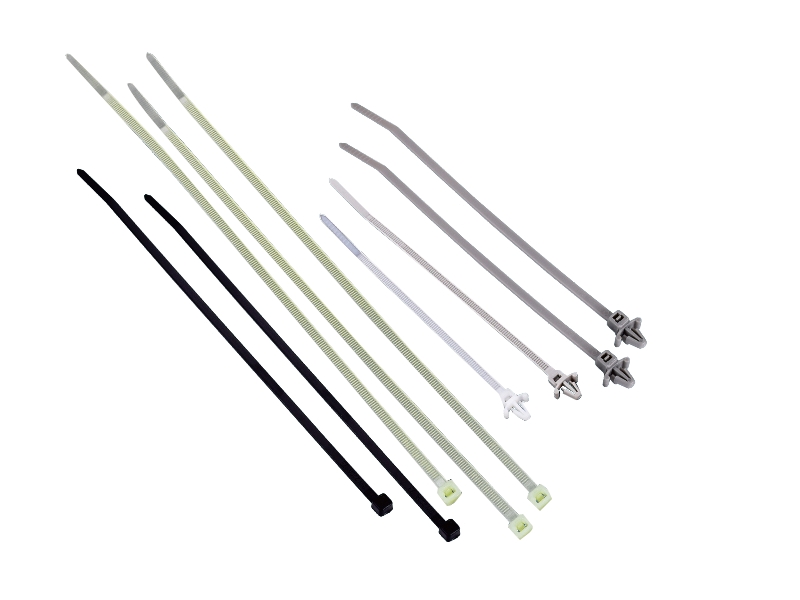
What Are Cable Ties?
Cable ties are small fastening devices made primarily from nylon (PA66) or other engineered polymers. They consist of a flexible strap with teeth along one side and a square locking head at the end. When inserted through the head, the strap locks firmly and cannot be pulled backward, creating a one-way fastening mechanism.
Cable ties are available in many variations, including:
Standard nylon zip ties
UV-resistant outdoor cable ties
Stainless steel cable ties
Releasable cable ties
Colored and reusable cable ties
Heavy-duty industrial cable ties
Because of their versatility, they are used in electronics, automotive industries, construction, packaging, agriculture, and daily household organization.
How Do Cable Ties Work?
Understanding how do cable ties work is simple:
Insert the pointed end of the tie through the locking head.
The internal pawl (locking tab) catches the teeth along the strap.
As you pull the tie tighter, it ratchets into place.
The design prevents backward movement, creating a secure and permanent lock.
This ratchet-and-lock system is what makes zip ties extremely strong and resistant to loosening under typical use conditions.
Advantages of Using Cable Ties
1. Simple & Fast Installation
You can secure wires or objects within seconds—no tools required.
2. Strong & Durable
Nylon zip ties offer excellent tensile strength, while stainless steel cable ties can handle extreme heat and harsh environments.
3. Wide Application Range
From electronics to gardening, cable ties are used everywhere.
4. Cost-Effective
Affordable and available in bulk quantities, cable ties provide excellent value.
5. Multiple Sizes & Styles
Lengths range from 100mm to over 1 meter, with options for reusable, releasable, high-temperature, and heavy-duty versions.
How to Loosen a Cable Tie
Normally, cable ties are designed for one-time use, but there are a few methods to loosen a cable tie without cutting it:
Method 1: Using a Small Tool
Insert a small flat tool (like a mini screwdriver or pen tip) under the locking tab.
Lift the tab gently.
Pull the strap backward to release the lock.
Method 2: Using Releasable Cable Ties
Some cable ties include a built-in release tab, allowing you to unlock and reuse them easily.
Method 3: For Zip Tie Alternatives
If you expect frequent adjustments, switch to reusable hook-and-loop cable straps.
Common Applications of Cable Ties
Electrical wiring harnesses
Industrial machines
Automotive and aerospace systems
Home cable organization
Product packaging and palletizing
Gardening and plant support
DIY repair and crafting
Security seals or temporary locking devices
No matter the application, tie cable tasks become simpler and cleaner with high-quality zip ties.
Whether you call them cable ties, zip ties, tie cable, or cable tie zip, these simple fastening tools play an essential role in cable organization and industrial assembly. From understanding what is cable ties to learning how do cable ties work and how to loosen a cable tie, this guide helps you make the best use of these versatile devices.
